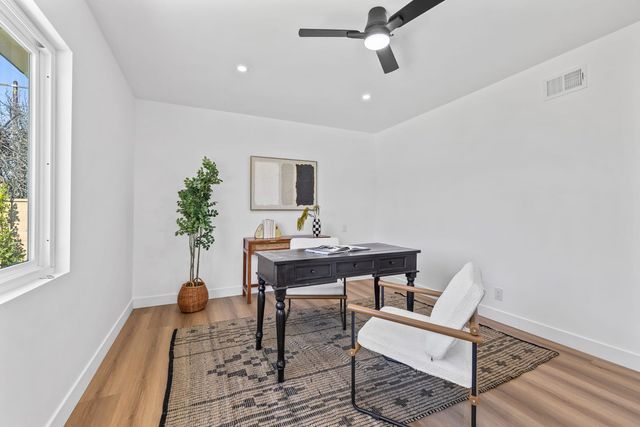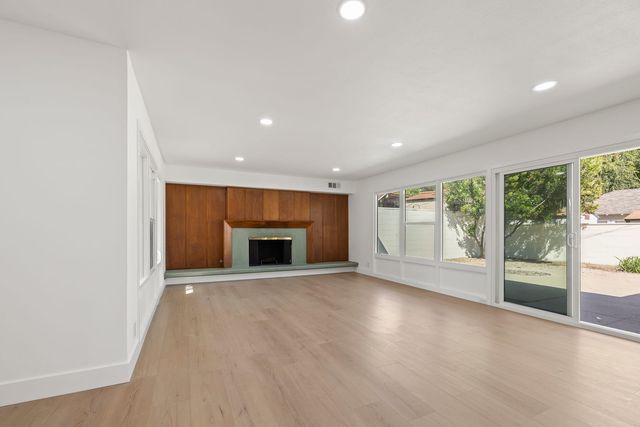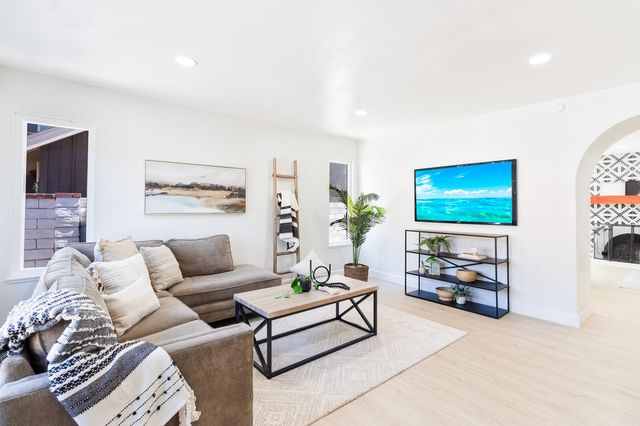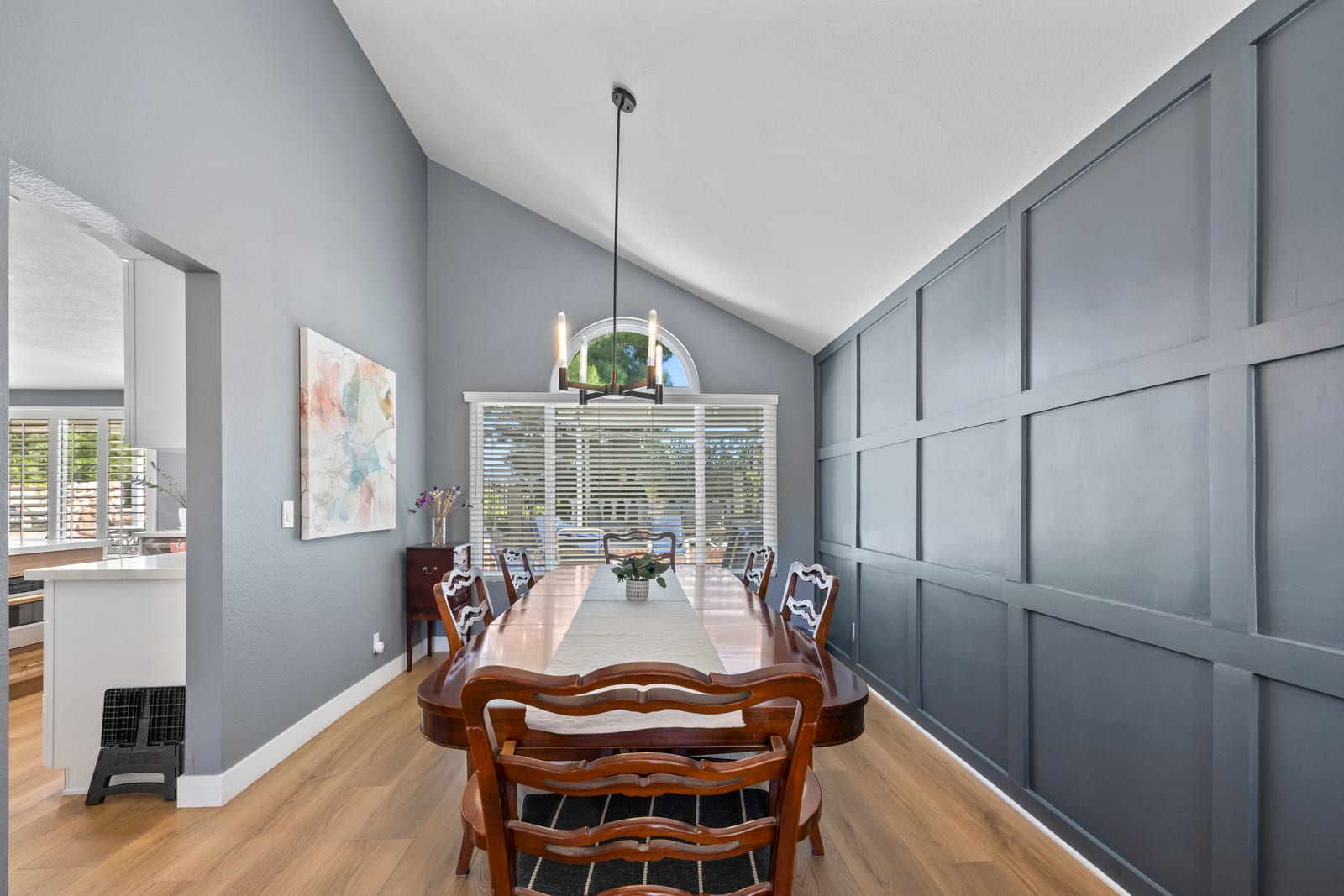
A local home appraiser and an out-of-area appraiser work under the same standards, and they can still choose different comparable sales for the same Claremont house. The difference shows up in four places: which pocket the sales come from, whether living area was measured or copied from records, how sales across the county line and the freeways are treated, and whether every exception is explained. USPAP lets an appraiser new to an area take the work only by disclosing that and acquiring the knowledge, so the real question is not where the appraiser lives but whether the report shows the market was understood.
Who decides whether the appraiser is local?
It depends on who the client is, the party who engages the appraiser and to whom the report is addressed.
- On a mortgage loan, the lender selects the appraiser, directly or through an appraisal management company (AMC), a firm that keeps appraiser panels and manages orders for lenders. Fannie Mae's Selling Guide makes the lender responsible for that selection and asks for appraisers with "the requisite knowledge required to perform a professional quality appraisal for the specific geographic location," with knowledge of and access to local data sources such as multiple listing services and government records. It also warns that appraisers "that are not familiar with specific real estate markets may not have adequate information" to produce a reliable appraisal.
- On a private assignment, such as an estate, a divorce, a tax appeal or a pre-listing decision, the homeowner, the attorney or the trustee is the client and chooses the appraiser directly.
So a Claremont borrower may receive a report from an appraiser based anywhere the lender's panel reaches, while a Claremont executor can ask how well the appraiser knows the local market before ordering.
What does USPAP require of an appraiser new to the area?
USPAP, the Uniform Standards of Professional Appraisal Practice, contains a Competency Rule that includes familiarity with a market and a geographic area. It does not bar an appraiser from unfamiliar ground. It requires disclosure to the client before agreeing to perform the assignment, the steps needed to complete the work competently, such as research or working with someone who knows the market, and a description of those steps in the report. Why geographic competency matters more than distance covers the rule itself. This article is about what it changes on the comparable grid.
What does local knowledge change in the comparables?
A comparable sale is a recent closed sale of a similar property that a buyer of this house would have weighed. The table sets a search drawn only from a radius and the public record beside a search that reads Claremont's pockets. An appraiser from anywhere can do the right-hand column; it takes the research the Competency Rule asks for.
StepA radius and record search returnsA local reading changes it to
Search area
A circle around the address, mixing pockets and both counties
The subject's own pocket first: the Village and the Colleges, north of Foothill, Claraboya and Padua Hills, or south of the 10, widened only with a stated reason
Living area
Square footage from the assessor's record
Gross living area, the finished above-grade space, measured on site, because enclosed porches and back rooms on older houses are often missing from the record
Era and style
Matched on bedrooms, baths and size
Pre-1940 Craftsman and Spanish Colonial Revival houses compared for era and style; postwar ranch tracts compared plan to plan
Hillside
The nearest flat-lot sales
A wider foothill band of homes with similar view, grade and access, with the radius explained
Freeways
Sales on either side of the 10 or the 210 treated alike
A sale across either freeway weighed as a different neighborhood unless the report explains why it is not
County line
A Montclair or Upland sale used because it was closest
Claremont sales first; a sale across Mills Avenue or Claremont Boulevard used only when it is better evidence, with the location adjustment explained
An adjustment is the amount a comparable's price is changed to account for a difference from the subject. Local knowledge changes which sales need adjusting at all, and that matters more than the size of any one adjustment.
Which Claremont houses show the difference most?
These are the kinds of assignments that come in where the reading changes the comparables most.
- A Village bungalow with later additions. The records may show a smaller house than the one standing, and a bedroom-count match pulls in north-of-Foothill ranch houses that sell to different buyers. See historic pre-1940 home appraisal.
- A Claraboya or Padua Hills custom home. Few truly similar sales exist close by, and the flat lots below are not substitutes. See hillside and custom home appraisal.
- A house in Arbol Verde. Claremont Heritage describes it as an early-1950s intercultural housing tract. A small tract like this is measured on its own terms before any wider search.
- A house near the east edge of the city. The Los Angeles and San Bernardino county line runs just east of the Colleges, and tract houses across it can look identical while the assessor, the schools and the buyer pool differ. Working both counties on the county line explains how that is handled.
How can you tell from the report which reading was used?
You do not have to take anyone's local knowledge on trust. Read four parts of the report, whoever wrote it:
- Comparable locations. Is each sale's location stated, and is any sale from another pocket or across the line explained?
- Living area source. Does the report say the house was measured, or that the area came from records?
- Adjustment support. Are view, grade, era and location adjustments explained, or simply applied?
- Data sources and scope of work. The scope of work is the type and extent of research and analysis. Does it name the local listing data and county records used?
If the report on your loan misses something you can document, the route is the lender's reconsideration of value, not a call to the appraiser. How a reconsideration of value works covers what the lender considers.
Does "local" just mean nearby?
No. Local in the sense that matters is knowing the market, and an appraiser based close by can still lack it for a property type they rarely see. Mr. Cali Appraisals is based in Claremont and works Los Angeles and San Bernardino counties only, under Gordon Hall, California Certified Residential Real Estate Appraiser, BREA No. AR003877. The about page explains how assignments are accepted, and the Claremont area page describes each pocket.
The rest of the checklist, license, competency and independence, is in the pillar, how to check a Claremont appraiser, and every article in the series is on the Choosing an Appraiser in Claremont hub.
Next step
For a private assignment you choose the appraiser. To describe a Claremont property and ask where the comparables would come from, request an appraisal or call (909) 324-6122. The fee is set by the scope of the assignment and quoted before work begins, and it does not depend on the value. Nobody will tell you a value on that call.
Sources
- Fannie Mae Selling Guide B4-1.1-03, Appraiser Selection Criteria: https://selling-guide.fanniemae.com/sel/b4-1.1-03/appraiser-selection-criteria (accessed November 6, 2026)
- The Appraisal Foundation, Uniform Standards of Professional Appraisal Practice (USPAP): https://appraisalfoundation.org/products/uspap (accessed November 6, 2026)
- Claremont Heritage, Architecture (styles and eras; Arbol Verde): https://claremontheritage.org/architecture.html (accessed November 6, 2026)
- The Student Life, City Limits: On the Los Angeles County line: https://tsl.news/city-limits-on-the-los-angeles-county-line/ (accessed November 6, 2026)
- Montclair, California (Mills Avenue as the western boundary): https://en.wikipedia.org/wiki/Montclair,_California (accessed November 6, 2026)
- Claremont, California (neighborhoods, Village expansion, ZIP 91711): https://en.wikipedia.org/wiki/Claremont,_California (accessed November 6, 2026)
- California Bureau of Real Estate Appraisers, license lookup (BREA No. AR003877): https://www2.brea.ca.gov/breasearch/faces/party/view.xhtml?id=23601 (accessed November 6, 2026)
Gordon Hall, California Certified Residential Real Estate Appraiser, BREA No. AR003877 (lookup: https://www2.brea.ca.gov/breasearch/faces/party/view.xhtml?id=23601). Reports are prepared in conformity with the Uniform Standards of Professional Appraisal Practice (USPAP). Nothing here is legal or tax advice; admissibility is always the court's decision.
Frequently asked questions
Can I ask my lender for a local appraiser?
You can ask questions, but on a mortgage loan the lender or its appraisal management company selects the appraiser, and appraiser independence rules keep borrowers and loan production staff out of that choice. Fannie Mae's Selling Guide asks lenders to use appraisers with knowledge of the specific geographic location.
Is an appraisal by an out-of-area appraiser invalid?
No. USPAP allows an appraiser new to an area to take an assignment by disclosing that to the client, taking the steps needed to complete it competently and describing those steps in the report. The test is whether the report shows the market was understood, not where the appraiser lives.
What is the quickest way to see whether a report used local knowledge?
Look at where each comparable sale is located and whether the report explains any sale from another pocket or across the county line. Then check whether the living area was measured on site or taken from records, and whether view, era and location adjustments are explained.
Will a local appraiser tell me the value before the inspection?
No. Local knowledge shapes where the comparable search starts, not what the answer is. No appraiser can state a value before the inspection and the analysis, and the fee is quoted before work begins and does not depend on the value.