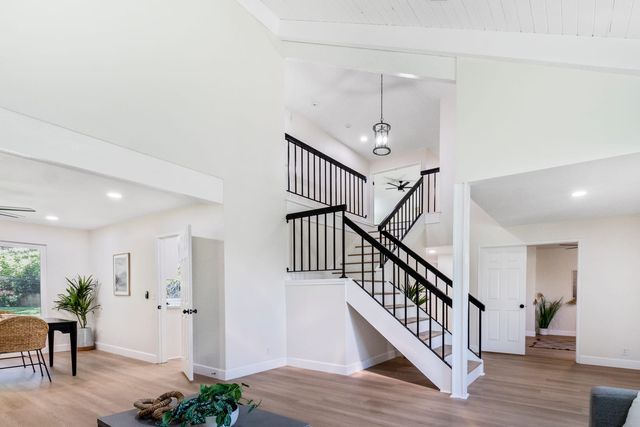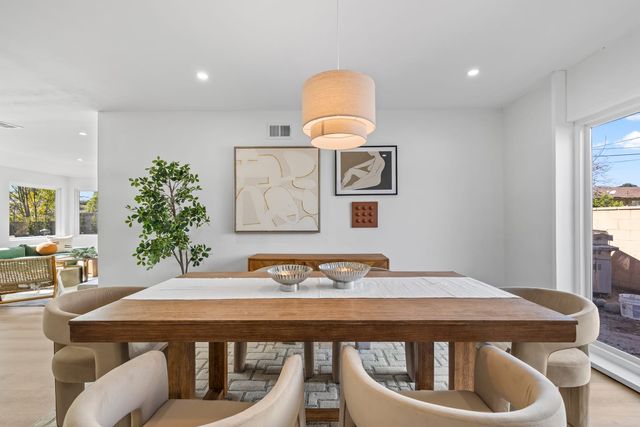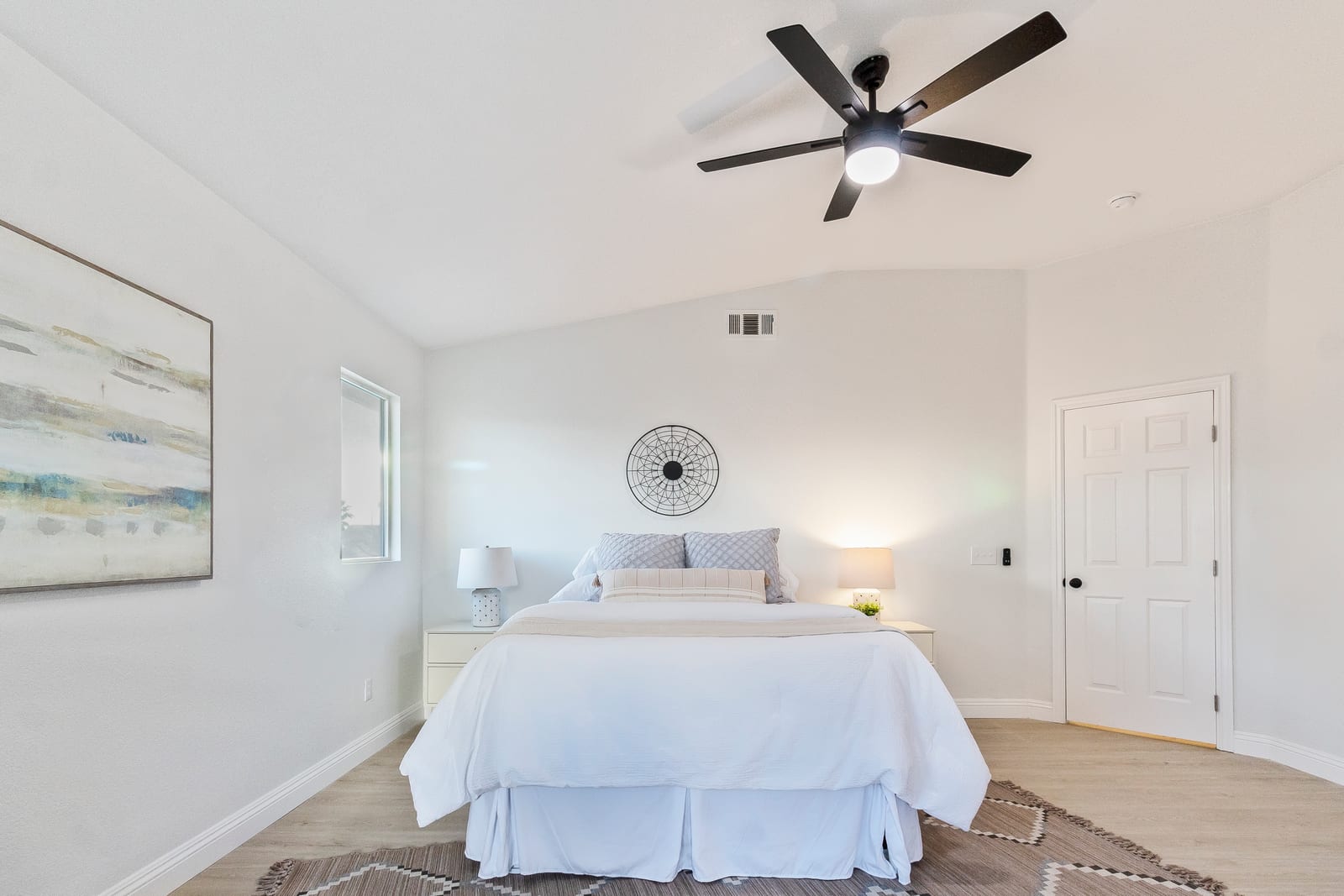
A home appraiser looks at the things buyers pay for: measured gross living area, the lot, the condition and quality of the house, how recently it was updated, whether additions and ADUs were permitted, and where it sits. In Claremont the weight shifts by pocket. A pre-1940 house near the Village is read for original detail and later additions, a ranch house north of Foothill for layout and conversions, and a Claraboya hillside home for view, grade and access. Furniture, clutter and decor are not on the list.
Everything the appraiser records becomes evidence that is compared with closed sales. Here is what gets looked at, outside and in, and why each item matters.
Outside: the lot, the street and the setting
- Lot size, shape and slope. Wider postwar lots north of Foothill Boulevard, narrow older lots near the Colleges, and sloped lots in Claraboya and Padua Hills each compare with their own kind.
- View and grade. On a foothill lot, the view, how steep the driveway is and how the house is reached all affect the buyer pool, and they are noted and photographed.
- Location features. Frontage on a busy corridor such as Foothill or Indian Hill, nearness to the 10 or the 210, and which side of the county line the house sits on. Claremont is in Los Angeles County; Montclair and Upland, just east, are in San Bernardino County.
- Site improvements. Pools, retaining walls, fencing, patios and detached structures, each recorded separately from the house.
The structure: measured, not copied
The appraiser walks the outside of the house with a measuring tool and sketches the floor plan. Gross living area, the finished, heated space above grade, is calculated from those measurements, not from a listing or a public record. That matters in Claremont, where older houses near the Village often had porches and back rooms enclosed decades ago and the recorded square footage may not match what stands today.
On loans sold to Fannie Mae, the Selling Guide requires appraisers to follow the ANSI Z765-2021 standard when measuring and reporting square footage, and to report finished area that does not meet that standard separately. Garages, basements and below-grade rooms are reported apart from gross living area under any standard.
Additions and ADUs get particular attention. The appraiser notes what appears to be original construction, what was added later, and whether permits exist. A permitted ADU behind an older house is measured and sketched as its own structure, with its kitchen and bath recorded. An unpermitted garage conversion is treated differently in the analysis. New construction and ADU appraisal covers that work in more detail.
Inside: condition, quality and updating
Every room is photographed. The appraiser records the room count, bedrooms and bathrooms, and then three things that drive most adjustments.
- Condition. The condition rating is the appraiser's standardized grade for the wear, maintenance and updating of the improvements. On loan reports it runs from C1, newly built and never occupied, to C6, with deficiencies that affect safety, soundness or structural integrity, and Fannie Mae asks for a holistic rating rather than one driven by a single room.
- Quality. The quality rating is the grade for the materials, workmanship and design of the construction, from Q1 to Q6 on loan reports. A one-off custom home in Padua Hills and a tract house built from a repeated plan sit at different points on that scale regardless of condition.
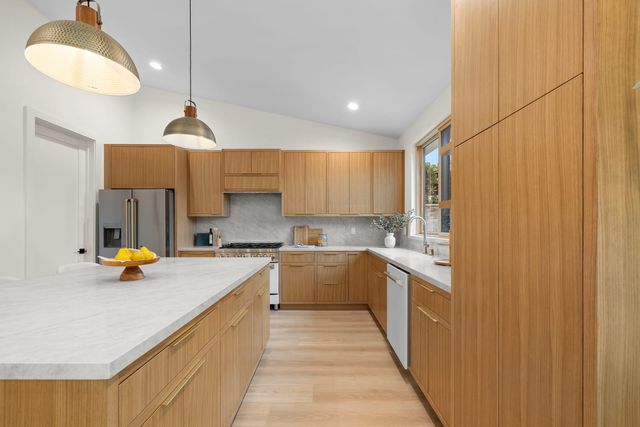
- Updating. Kitchens and baths in particular are described as not updated, updated or remodeled, with an estimate of how long ago the work appears to have been done.
Layout matters too. A bedroom reached only through another bedroom, a bath far from the bedrooms, or a converted room with no closet is something buyers notice, and the appraiser notes it.
Systems: observed, not tested
The appraiser looks at the water heater, electrical panel, heating and cooling equipment, roof covering and visible foundation, and records their apparent age and condition. Nothing is tested. No one runs the appliances, opens the panel cover or climbs onto the roof; that is a home inspector's job, compared in appraisal vs. home inspection. On a loan, some visible items, such as a missing handrail or exposed wiring, may also have to be noted under the lender's requirements.
What the appraiser looks for, pocket by pocket
These are the kinds of houses that come in across Claremont, and where the attention goes in each.
- Pre-1940 Craftsman and Spanish Colonial Revival near the Village and the Colleges. Original detail, raised foundations, enclosed porches and rear additions. The appraiser separates original construction from later work, because each moves value differently, and chooses comparables for era and style. See historic pre-1940 home appraisal.
- Postwar ranch tracts north of Foothill. Lot size, layout, added baths, family-room extensions and garage conversions, with permit history on each. Tract plans repeat, so what has changed from the original plan is the story.
- Hillside and custom homes in Claraboya and Padua Hills. View, grade, access, decks, retaining walls and one-off construction. Few truly similar sales sit nearby, so comparables may come from a wider foothill band with the radius explained. See hillside and custom home appraisal.
- Village expansion infill and South Claremont townhomes and condominiums. Newer construction and HOA projects are compared with their own kind, not with the older blocks nearby, and the HOA and common areas become part of the picture.
The Claremont area page describes how these pockets behave as separate markets.
What the appraiser does not look for
- Clutter, staging and decor. Clutter is not a value factor; condition is. Dishes in the sink and boxes in a spare room do not appear in the analysis.
- Furniture and personal property. The appraisal values the real property, not what is in it.
- Who lives there or nearby. Fair housing law and the USPAP Ethics Rule bar an appraiser from considering the protected characteristics of owners, occupants or neighbors. What not to tell an appraiser covers what else sits outside the analysis.
How what is recorded becomes the opinion
Back at the desk, the appraiser chooses closed sales that a buyer of this house would have weighed, then adjusts each one for the differences recorded on the visit: gross living area, lot, condition, quality, updating, view and location. The report states each adjustment so a lender, a court or an appeals board can follow it. The full sequence, from the scope call to the delivered report, is in how a home appraisal works in Claremont, and the visit itself is in what happens on appraisal inspection day in Claremont.
The inspection is 30 to 60 minutes for a standard single-family home, longer for hillside, custom, multi-family or homes with additions. The report is typically three to five business days from the inspection.
Next step
The how it works page lays out the whole assignment in brief. To schedule, request an appraisal or call (909) 324-6122. More on the process is in the How a Home Appraisal Works hub.
Sources
- Fannie Mae Selling Guide B4-1.3-05, Improvements Section of the Appraisal Report (ANSI Z765-2021 measurement): fanniemae.com (accessed October 30, 2026)
- Fannie Mae Selling Guide B4-1.3-06, Property Condition and Quality of Construction of the Improvements (C1-C6, Q1-Q6): fanniemae.com (accessed October 30, 2026)
- The Appraisal Foundation, Uniform Standards of Professional Appraisal Practice (USPAP): appraisalfoundation.org (accessed October 30, 2026)
- Zillow, inspection vs. appraisal: zillow.com (accessed October 30, 2026)
- Opendoor, appraisal vs. home inspection: opendoor.com (accessed October 30, 2026)
- Claremont Heritage, architecture of Claremont: claremontheritage.org (accessed October 30, 2026)
- California Bureau of Real Estate Appraisers, license lookup for BREA No. AR003877: brea.ca.gov (accessed October 30, 2026)
Gordon Hall, California Certified Residential Real Estate Appraiser, BREA No. AR003877 (lookup: https://www2.brea.ca.gov/breasearch/faces/party/view.xhtml?id=23601). Reports are prepared in conformity with the Uniform Standards of Professional Appraisal Practice (USPAP). Nothing here is legal or tax advice; admissibility is always the court's decision.
Frequently asked questions
What do home appraisers look for?
The things buyers pay for: measured gross living area, the lot, condition and quality, how recently the kitchen and baths were updated, whether additions and ADUs were permitted, layout, and location, including busy corridors and which side of the county line the house is on.
Does the appraiser use the square footage from public records?
No. The appraiser measures the exterior and sketches the floor plan to calculate gross living area, the finished, heated space above grade. On older Claremont houses with enclosed porches or rear rooms, recorded square footage often does not match what stands today.
What are condition and quality ratings?
The condition rating grades the wear, maintenance and updating of the house, from C1 to C6 on loan reports. The quality rating grades the materials, workmanship and design, from Q1 to Q6. Both feed the adjustments against comparable sales.
Does clutter affect an appraisal?
No. Clutter is not a value factor; condition is. The appraiser needs to reach every room, the attic hatch, the panel and the water heater, but dishes, boxes and decor do not appear in the analysis.