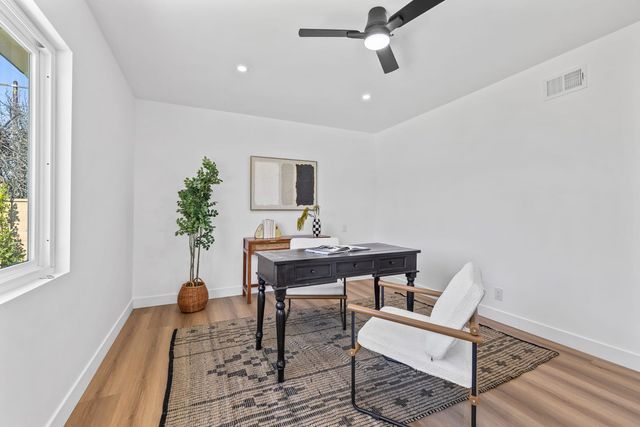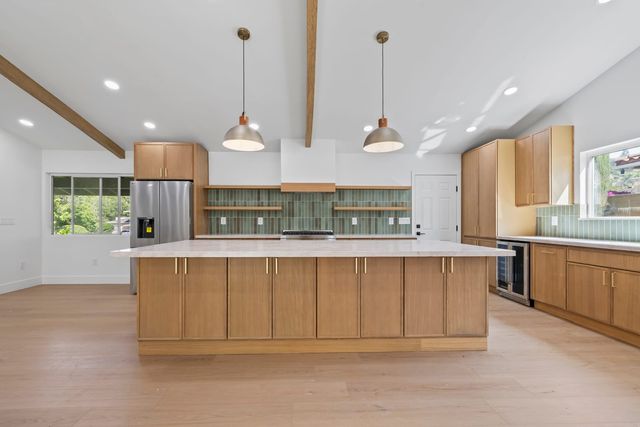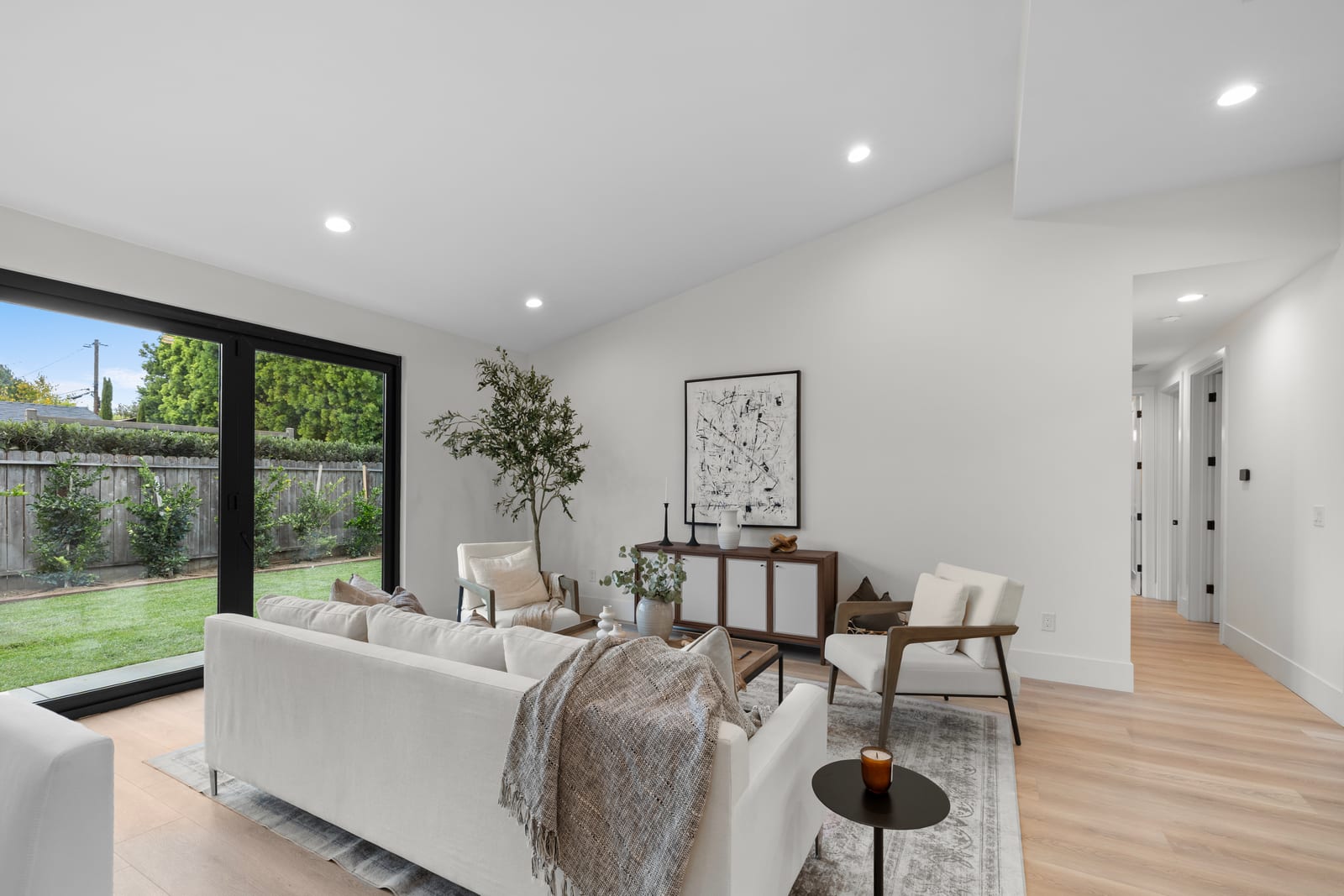
Yes, and the difference is visible on paper. Claremont's one ZIP code, 91711, holds several markets: pre-1940 houses near the Village and the Colleges, postwar tracts north of Foothill, hillside homes in Claraboya and Padua Hills, newer infill and condominiums, and a county line to the east. An appraiser who works these pockets chooses comparable sales from the right one and writes down the reason for every exception, and you can check that in the report whoever wrote it.
Being nearby is not the qualification. What USPAP, the Uniform Standards of Professional Appraisal Practice, requires is geographic competency, familiarity with the specific market where the property sits. Why geographic competency matters more than distance covers that rule. This article covers what the reading looks like, pocket by pocket.
Why does one ZIP code need a pocket-by-pocket reading?
A comparable sale, a recent closed sale of a similar property that a buyer of this house would have weighed, is only useful if it competed for the same buyer. In Claremont, two houses a short drive apart can sell to different buyers on different evidence. An automated estimate such as a Zestimate or other AVM, an algorithm's statistical estimate from records and nearby sales, is not an appraisal, and it reads the ZIP code rather than the pocket. That gap is where most of the analysis in a Claremont report sits.
What does a local reading catch in each pocket?
The Village and the blocks around the Colleges
The oldest blocks along Indian Hill Boulevard and College Avenue hold Victorian, Colonial Revival, Spanish Colonial Revival and Craftsman bungalow houses, with some 1930s and 1940s modernist homes. Many carry enclosed porches and back rooms added decades ago. Gross living area, the finished, heated space above grade, is measured on site here, because public records on these houses often miss or misstate the later space. Comparables are chosen for era and style, not bedroom count. See historic pre-1940 home appraisal.
The Village expansion west of Indian Hill
Built on the former citrus packing plant site, the expansion added newer mixed-use and residential infill. Its homes are compared with their own kind, not with the older blocks a few streets away.
Arbol Verde
Claremont Heritage describes Arbol Verde as an early-1950s intercultural housing tract, its own chapter of the city's modernist history. A small tract like this is measured on its own terms first, before any wider search.
North of Foothill to Base Line Road
North of Foothill Boulevard, the old Route 66, the city is largely postwar single-story ranch tracts on wider lots. Layouts repeat, so the reading is about what changed from the original plan: lot size, garage conversions, family-room additions and the permit history behind each one.
Claraboya, Padua Hills and Northeast Claremont
In the foothills, Claraboya and Padua Hills hold custom and hillside homes that sell on view, grade and access, and Northeast Claremont places homes by Stone Canyon Preserve and the Wilderness Park. Few truly similar sales exist, so the comparable search widens to a foothill band with the radius and each adjustment explained. A Claraboya view home compared with flat lots below, with no view or grade adjustment, is a reading that missed. See hillside and custom home appraisal.
South of the 10
Below the 10 the stock shifts to later tracts, townhomes and condominiums. A townhome there is not evidence for a detached house near the Colleges, and the reverse holds too.
The county line to the east
The Los Angeles and San Bernardino county line runs just east of the Colleges. Cross Claremont Boulevard or Mills Avenue and you are in Upland or Montclair, where a different assessor and a different appeals board apply, and where school districts and buyer pools change even when the houses look alike. A Claremont house is appraised from Claremont sales first; a sale from across the line is used only when it is genuinely better evidence, with the location adjustment explained. What the county line does to comparable sales goes further.
Where does the reading show up in the report?
You do not have to take anyone's local knowledge on trust. It is written into the report in four places.
- Comparable selection. Each comparable's location is stated. If one comes from another pocket or across the line, the report says why it was the better evidence.
- Adjustments. An adjustment, the amount a comparable's price is changed to account for a difference from the subject house, should exist for view, grade, location, size and condition wherever those differ, with support.
- Measurement. Gross living area is measured on site and the sketch shows it, rather than copied from records that predate an enclosed porch.
- What was set aside. A careful report notes sales that looked close but were rejected, and why.
The same four places are where a reviewer looks first, and in Claremont a reviewer rejects the same misreadings: a Village Craftsman compared with north-of-Foothill ranch houses on bedroom count alone, a hillside home compared with flat lots, a tract sale from across the line with no location adjustment.
Does a local appraiser lean toward a local outcome?
No. Appraiser independence, the requirement that the appraiser act impartially and without bias toward any party, applies to a local appraiser exactly as it does to anyone else. The client, the party who engages the appraiser, and the intended users, the people entitled to rely on the report, are stated on the report. None of them sets the value, and the fee does not depend on it. Knowing the pockets changes which sales are the right evidence, never which answer the evidence should reach.
How do I check before ordering?
Ask an appraiser which Claremont pocket they would draw comparables from for your house, what would justify going wider, and how they would treat sales across the county line. A clear answer is a good sign. Then confirm the license on BREA and the independence terms in the engagement letter. What to ask a Claremont appraiser before ordering lists those questions, and the pillar, how to check a Claremont appraiser, puts license, competency and independence together. The rest of the series is on the Choosing an Appraiser in Claremont hub, and the Claremont area page summarizes the pockets.
Next step
Mr. Cali Appraisals is based in Claremont and works both sides of the county line, under Gordon Hall, California Certified Residential Real Estate Appraiser, BREA No. AR003877 (license lookup). The about page explains the practice. To describe a Claremont house and hear which pocket its evidence would come from, request an appraisal or call (909) 324-6122. The fee is set by the scope of the assignment and quoted before work begins, and it does not depend on the value.
Sources
- The Appraisal Foundation, Uniform Standards of Professional Appraisal Practice (USPAP), including the Competency Rule: https://appraisalfoundation.org/imis/TAF/Standards/Appraisal_Standards/Uniform_Standards_of_Professional_Appraisal_Practice/TAF/USPAP.aspx (accessed October 30, 2026)
- Claremont, California (Village expansion, Padua Hills, Northeast Claremont, Wilderness Park, ZIP 91711): https://en.wikipedia.org/wiki/Claremont,_California (accessed October 30, 2026)
- Claremont Heritage, architecture of Claremont (styles and eras; Arbol Verde): https://claremontheritage.org/architecture.html (accessed October 30, 2026)
- The Student Life, City Limits: On the Los Angeles County line: https://tsl.news/city-limits-on-the-los-angeles-county-line/ (accessed October 30, 2026)
- Montclair, California (Mills Avenue as the western boundary): https://en.wikipedia.org/wiki/Montclair,_California (accessed October 30, 2026)
- Zillow, Zestimate (the portal's own description of its estimate): https://www.zillow.com/zestimate/ (accessed October 30, 2026)
- California Bureau of Real Estate Appraisers, license lookup (BREA No. AR003877): https://www2.brea.ca.gov/breasearch/faces/party/view.xhtml?id=23601 (accessed October 30, 2026)
Gordon Hall, California Certified Residential Real Estate Appraiser, BREA No. AR003877 (lookup: https://www2.brea.ca.gov/breasearch/faces/party/view.xhtml?id=23601). Reports are prepared in conformity with the Uniform Standards of Professional Appraisal Practice (USPAP). Nothing here is legal or tax advice; admissibility is always the court's decision.
Frequently asked questions
Is a Claremont-based appraiser required for a Claremont house?
No. USPAP requires geographic competency, familiarity with the specific market, not an office address. An appraiser from elsewhere can be competent by learning the market and disclosing how. Distance alone is not the test; the comparable choices and the reasoning in the report are.
What are the main housing pockets in Claremont?
The pre-1940 blocks around the Village and the Colleges, the Village expansion west of Indian Hill, Arbol Verde, the postwar tracts north of Foothill toward Base Line Road, the hillside homes of Claraboya and Padua Hills, Northeast Claremont by Stone Canyon Preserve, and the later tracts, townhomes and condominiums south of the 10.
Can a Claremont appraisal use sales from Upland or Montclair?
Only when they are genuinely the better evidence, such as a near-identical house just across the county line, and then the report explains the location adjustment. Upland and Montclair are in San Bernardino County, with a different assessor and different buyer pools, so a Claremont house is appraised from Claremont sales first.
How can I tell from a report whether the appraiser understood my pocket?
Look at where each comparable came from and whether the report explains any that came from another pocket, whether view, grade and location differences carry supported adjustments, whether living area was measured on site, and whether rejected sales are noted with a reason.