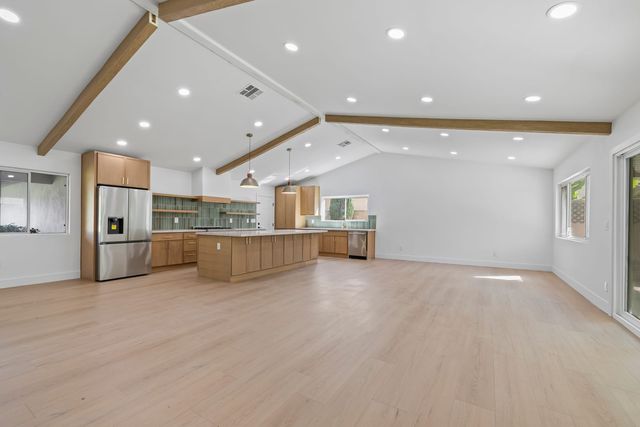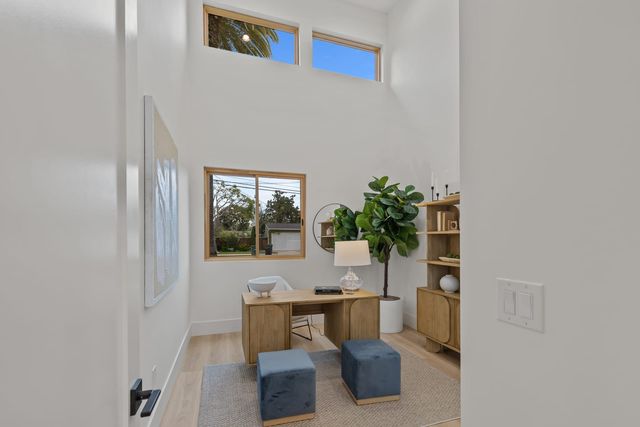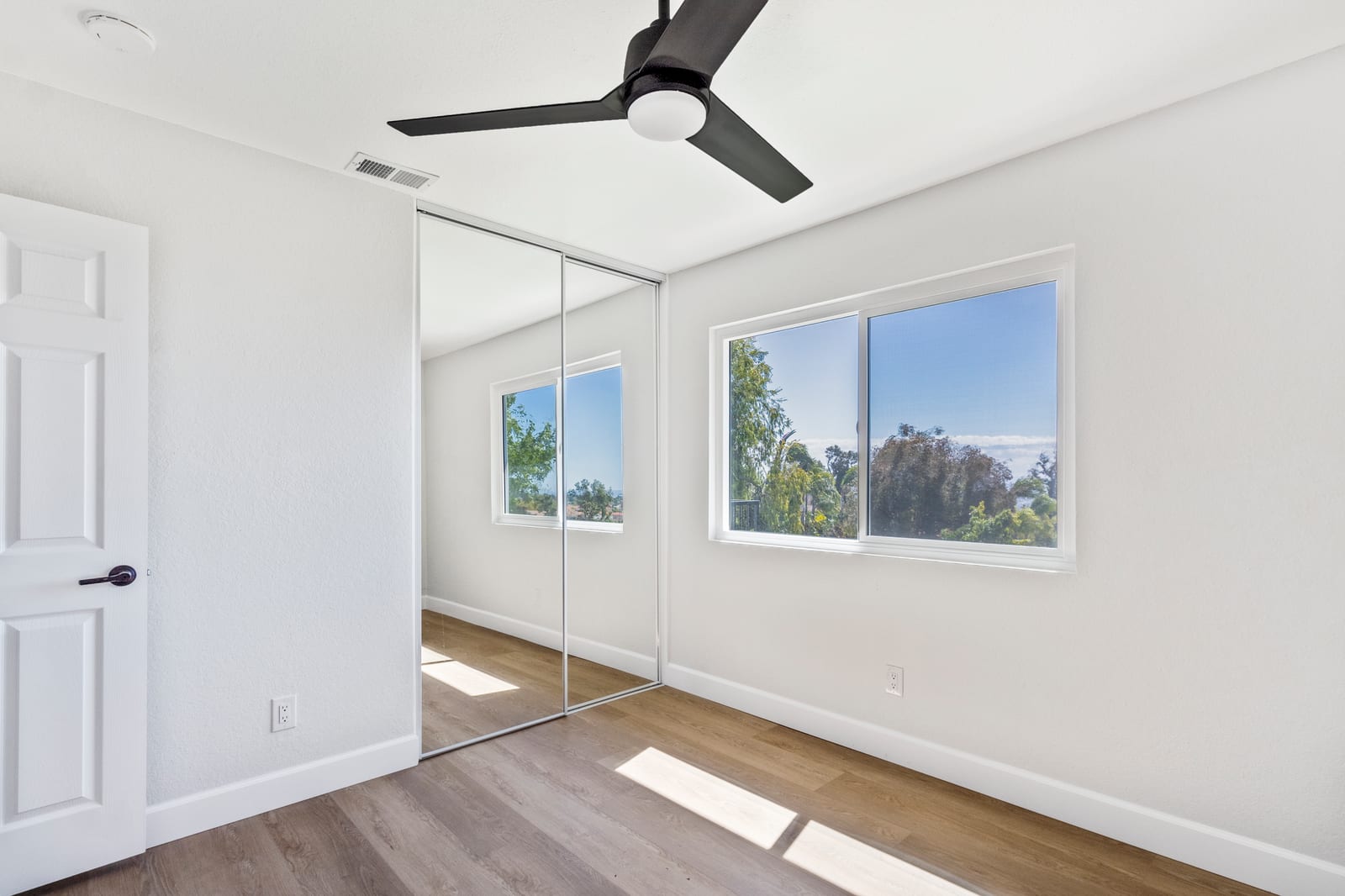
A Claremont appraisal written for a Fannie Mae or Freddie Mac loan reports condition on a six-step scale from C1 to C6 and quality of construction on a six-step scale from Q1 to Q6, where 1 is the newest or highest and 6 the most deficient or most basic. Condition describes the physical state of the house as of the effective date; quality describes how well and how elaborately it was built. Under the redesigned appraisal report now in use, the scale is unchanged, but the definitions were rewritten and the house is rated separately for interior and exterior as well as overall.
Where the ratings come from
The ratings belong to the Uniform Appraisal Dataset, or UAD, which Freddie Mac describes as "a standardized industry dataset for appraisal property reporting." Freddie Mac's UAD 3.6 FAQ says UAD 3.6 "will be mandatory for all new appraisal reports submitted to UCDP on or after November 2, 2026," and that the redesigned Uniform Residential Appraisal Report replaces legacy forms such as the 1004, 1073, 1025, 1004C and 1007. On the ratings themselves, the same FAQ says: "The Condition and Quality Rating scale has not changed, but definitions were rewritten to provide clarity." It adds that interior and exterior ratings have been added, and that the ratings now apply to all residential property types, including manufactured homes.
Fannie Mae and Freddie Mac publish the rewritten definitions in a joint document, the UAD Condition and Quality Rating Definitions, which notes that it copies the ratings from the URAR Reference Guide. Fannie Mae's Selling Guide still carries the earlier definitions in section B4-1.3-06 and says lenders using UAD 3.6 must follow the UAD 3.6 Policy Supplement. The summaries below follow the UAD 3.6 definitions.
Condition: C1 to C6
The joint definitions say condition ratings "describe the physical condition of a property as of the effective date of the appraisal on an absolute basis, not on a relative basis or how a property relates to other properties." The effective date is the date the opinion of value applies to. The same scale is used for overall, exterior and interior condition.
- C1: newly constructed, never occupied, no signs of wear or use.
- C2: like-new; recently built or entirely remodeled, no deferred maintenance and no repairs needed.
- C3: well maintained with minimal wear and tear, or most, but not every, major component updated or renovated.
- C4: adequately maintained with moderate wear and tear; may have some updating, with deferred maintenance that is generally minor or cosmetic.
- C5: significant wear and tear from inadequate maintenance, but sound enough to support occupancy; some components missing or near the end of their useful life.
- C6: an extreme lack of maintenance with damage or defects that affect soundness or structural integrity; not suitable for occupancy.
Quality: Q1 to Q6
Quality ratings likewise describe the property "on an absolute basis," and the joint document rates overall, interior and exterior quality, where interior covers items such as room size, ceilings, trim, flooring, kitchen and bathrooms, and exterior covers doorways, windows, architectural detail, roof design and exterior walls. A house must meet the majority of a rating's criteria, not all of them.
- Q1: an individually designed, one-of-a-kind structure with exceptional materials and workmanship; the definitions call it very rare.
- Q2: a high-quality structure, often from customized or complex plans, with high-end materials and custom finishes.
- Q3: housing reproducible from standard plans but with a higher degree of complexity and some customization, often semi-custom.
- Q4: built from standard plans that can be reproduced many times with minimal customization, using widely available materials.
- Q5: basic in design and meeting minimum building standards; minimal refinements, but not substandard.
- Q6: lacking basic architectural design, possibly not meeting local building standards, with low-quality or non-customary materials.
Condition and quality are two different questions
The two scales often move independently on a Claremont house, which is why they are reported separately:
- A pre-1940 Craftsman or Spanish Colonial Revival house near the Colleges may have original millwork, built-ins and detail that bear on quality, while its condition depends on the roof, the raised foundation, the plumbing and how the later additions were done. Age alone sets neither rating.
- A postwar ranch built from repeated tract plans is compared model to model; a remodeled kitchen and new flooring speak to condition and updating, and the quality definitions turn on how the house was designed and built, not on how recently it was refreshed.
- A custom home in Claraboya or Padua Hills may be one of a kind in design, so the quality criteria on the exterior (roof design, wall construction, windows) matter as much as the interior finishes.
- A Village bungalow with a new interior and an original exterior is the kind of house the separate interior and exterior ratings were added to distinguish.
Freddie Mac's FAQ also describes room-level update reporting for kitchens and bathrooms, and an update and condition status that the FAQ says "provide support needed to develop a critical opinion on the Condition and Quality Ratings." In plain terms, the report now records what was updated and when, so a reader can see why a rating was chosen.
Consistency is checked
A rating has to match the rest of the report. California's Bureau of Real Estate Appraisers, in its Fall/Winter 2023 newsletter, described seeing reports that cite one quality rating in one place and another elsewhere, "such as reporting 'Q4' in the Sales Comparison Approach, but 'C3' in the Cost Approach," and said an appraiser must use a quality rating consistent with the cited data source and with the quality cited elsewhere in the report. The same holds for condition: the photographs, the comments and the adjustments should all describe the same house. Where a comparable sale's condition or quality differs from the subject's, the difference is handled as an adjustment, explained in adjustments in a Claremont home appraisal.
What a rating does and does not decide
A rating describes the house; it does not decide the loan. Fannie Mae's Selling Guide says loans secured by properties rated C6 "are not eligible for sale to Fannie Mae" until the deficiencies are repaired to a resulting rating of at least C5, and treats properties rated C1 through C5 as eligible in "as is" condition. What follows from a rating on a particular loan is the lender's decision.
Ratings are also observations, not tests. The appraiser looks at the roof covering, the water heater, the panel and the visible foundation and records what can be seen, as described in what happens on appraisal inspection day. A home inspector tests systems; an appraiser rates what is observable as of the effective date. The scale also does not bend to who ordered the report: the definitions are absolute, and the same house earns the same rating whoever the client is.
Reports for an estate, a divorce or a tax appeal describe condition and quality too, whether or not they use the lender's codes. The article on the redesigned URAR covers the rest of the new format, the pillar on what a Claremont appraisal measures shows where condition and quality sit in the report, and the Home Appraisal in Claremont hub collects the series. The appraisal services page lists assignment types and the Claremont area page describes the pockets. To have a Claremont house appraised, request an appraisal or call (909) 324-6122; the fee is set by the scope of the assignment and quoted before work begins, and it does not depend on the value.
Sources
- Fannie Mae and Freddie Mac, Uniform Appraisal Dataset (UAD) Specification, Condition and Quality Rating Definitions, Version 1.0, accessed November 6, 2026
- Freddie Mac, Uniform Appraisal Dataset (UAD) 3.6 FAQ, accessed November 6, 2026
- Fannie Mae Selling Guide, B4-1.3-06, Property Condition and Quality of Construction of the Improvements, accessed November 6, 2026
- Bureau of Real Estate Appraisers, The California Appraiser, Fall/Winter 2023, accessed November 6, 2026
- California Bureau of Real Estate Appraisers, license lookup for Gordon Hall, accessed November 6, 2026
Gordon Hall, California Certified Residential Real Estate Appraiser, BREA No. AR003877 (lookup: https://www2.brea.ca.gov/breasearch/faces/party/view.xhtml?id=23601). Reports are prepared in conformity with the Uniform Standards of Professional Appraisal Practice (USPAP). Nothing here is legal or tax advice; admissibility is always the court's decision.
Frequently asked questions
What do C1 through C6 mean on an appraisal?
They are the Uniform Appraisal Dataset condition ratings. C1 is newly constructed and never occupied; C2 is like-new; C3 is well maintained or largely updated; C4 is adequately maintained with moderate wear; C5 shows significant wear but supports occupancy; C6 has damage or defects affecting soundness or structural integrity and is not suitable for occupancy.
What is the difference between a condition rating and a quality rating?
Condition describes the physical state of the house as of the effective date, the date the opinion of value applies to. Quality describes how the house was designed and built, from Q1, an individually designed one-of-a-kind structure, to Q6, basic construction that may not meet local building standards. A well-built older house can rate high on quality and lower on condition.
Did the redesigned URAR change the rating scale?
Freddie Mac's UAD 3.6 FAQ says the condition and quality rating scale has not changed, but the definitions were rewritten to provide clarity, interior and exterior ratings were added, and the ratings now apply to all residential property types, including manufactured homes. UAD 3.6 is mandatory for new reports submitted on or after November 2, 2026.
Is a rating compared with other houses in the neighborhood?
No. The joint Fannie Mae and Freddie Mac definitions say condition and quality ratings describe the property on an absolute basis, not on a relative basis or how it relates to other properties. Differences between the subject and a comparable sale are then handled as adjustments.
Does a C5 or C6 rating mean the loan is denied?
The rating describes the house; the lender decides the loan. Fannie Mae's Selling Guide treats C1 through C5 as eligible in as-is condition and says C6 properties are not eligible for sale to Fannie Mae until deficiencies are repaired to a resulting rating of at least C5.