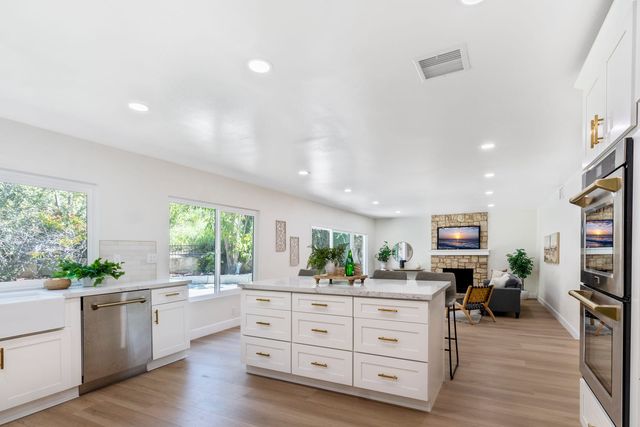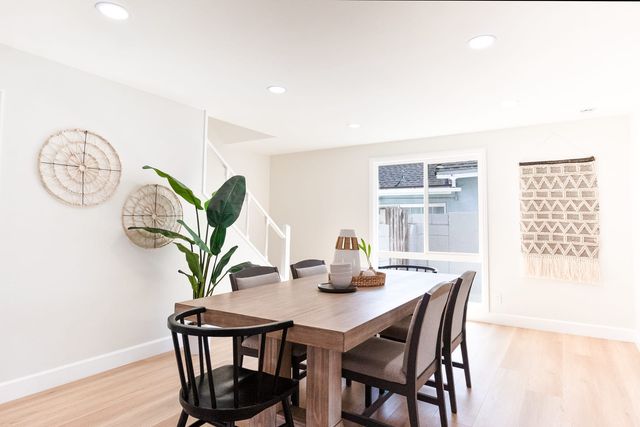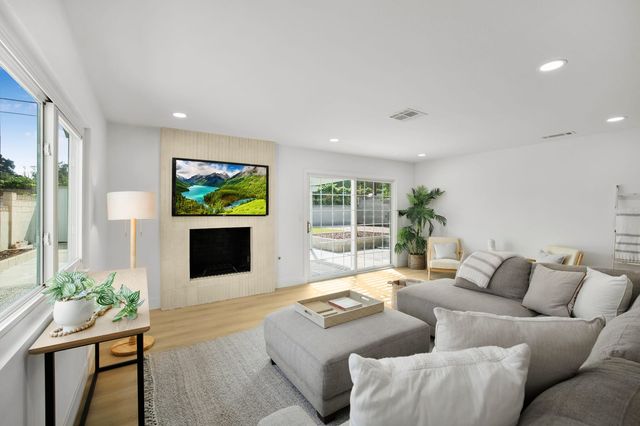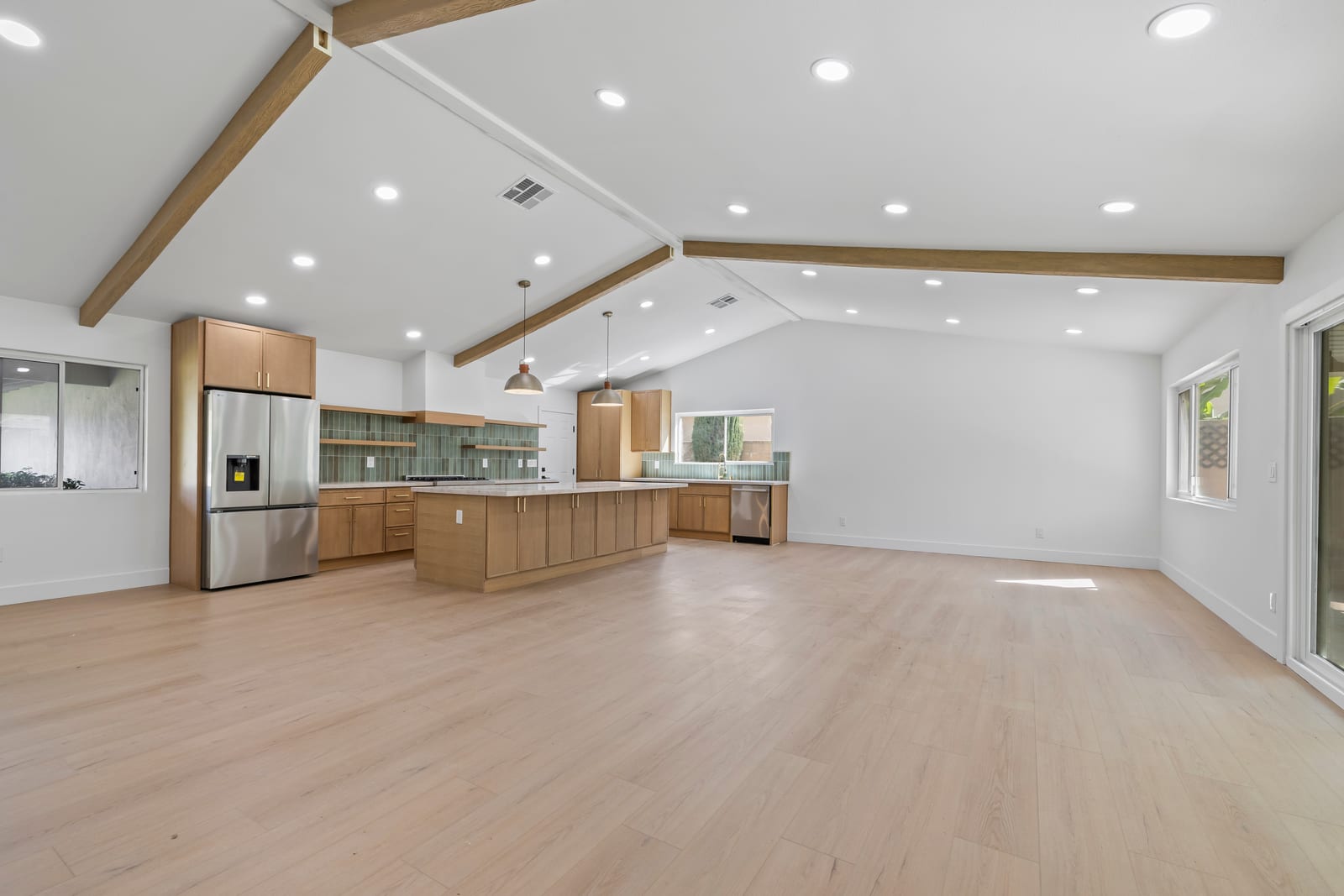
A home appraisal in Claremont measures the house, the lot and the closed sales a buyer for that house would have weighed, then explains in writing how that evidence becomes an opinion of market value. What changes from block to block is the evidence: a Village bungalow, a postwar ranch north of Foothill and a Claraboya hillside home are each compared with their own kind, and the report says which pocket every comparable sale came from and why. The opinion applies to one stated date and one stated use, and nothing about value is settled until the analysis is done.
This guide is for homeowners, heirs, trustees, attorneys and CPAs deciding whether a Claremont appraisal fits their decision. The appraisals described here are prepared by Gordon Hall, California Certified Residential Real Estate Appraiser, BREA No. AR003877, and the license can be checked on the Bureau of Real Estate Appraisers license lookup.
What does a home appraisal in Claremont measure?
- Gross living area, the finished, heated space above grade, measured from the outside of the house on inspection day. It is not copied from the listing or the assessor record, and it follows the ANSI Z765 standard Fannie Mae requires on the loans it buys.
- The lot: size, shape, slope, access, and any easement or shared driveway.
- Condition and quality, recorded room by room on the rating scales lenders use.
- Permit history on additions, enclosed porches, garage conversions and ADUs, because permitted and unpermitted space are treated differently.
The evidence off the property is the closed sales. The sales comparison approach, the method that values a house by comparing it with similar homes that sold, carries most of the weight on a Claremont single-family home. Each comparable sale, a closed sale similar enough to stand in for the subject, is checked against public records. An adjustment is the amount added to or subtracted from a comparable's sale price to account for a difference buyers pay for, and every one is explained in the report.
What the report settles before anyone measures
A Claremont appraisal is developed under USPAP, the Uniform Standards of Professional Appraisal Practice that govern how appraisals are performed and reported. Four things are fixed at the start and printed on the report.
- Intended use, what the report will be used for: a trust, a divorce, a tax appeal, a pre-listing decision or a loan.
- Intended users, the people entitled to rely on it, such as the homeowner, an attorney or a lender.
- Effective date, the date the opinion of value applies to. It is usually the inspection date; for an estate or a separation it may be a date in the past.
- Scope of work, the type and extent of research and analysis, including how far the comparable search reaches.
Those choices decide what the rest of the report has to prove. The report page by page follows each section in the order a reader meets it.
How the evidence changes pocket by pocket
One ZIP code, 91711, holds several markets. The comparable search starts inside the subject's own pocket and leaves it only with stated reasons.
The Village and the blocks near the Colleges
The oldest blocks surround the Claremont Village and the Colleges along Indian Hill Boulevard and College Avenue: Victorian, Colonial Revival, Spanish Colonial Revival and Craftsman bungalow houses. Many carry enclosed porches, back rooms and rear additions from different decades. The appraisal separates original construction from later work, measures what is finished living area today and asks what was permitted. Measuring a Village bungalow with later additions walks through that inspection, and the historic pre-1940 home appraisal page describes the assignment.
The Village expansion west of Indian Hill
West of Indian Hill, the Village expansion on the former citrus packing plant site added newer mixed-use and residential infill. Those homes are compared with newer construction of their own kind, not with the older houses a few blocks east.
North of Foothill toward Base Line Road
North of Foothill Boulevard, the old Route 66, most of the city is postwar single-story ranch tracts on wider lots, reaching toward Base Line Road. Tract layouts repeat, so the closest evidence is often the same model a few streets away. The analysis focuses on what changed from the original plan: added baths, family-room extensions, garage conversions and lot size. How postwar tracts are compared model to model explains the method.
Claraboya, Padua Hills and Northeast Claremont
In the foothills, Claraboya and Padua Hills hold custom and hillside homes that sell on view, grade and access, and Northeast Claremont holds the Stone Canyon Preserve homes beside the Wilderness Park. Few truly similar sales exist nearby, so the search widens to a foothill band and the report explains the radius. The inspection runs longer, because split levels, decks and retaining walls are measured too. See slope, views and access on a Claraboya inspection and the hillside and custom home appraisal service.
Arbol Verde and the stock south of the 10
Arbol Verde, the early-1950s intercultural housing tract that Claremont Heritage records among the city's modernist work, is its own small chapter and is not compared casually with the ranch tracts around it. South of the 10, the stock shifts to later tracts, townhomes and condominiums, and attached homes are compared with attached homes.
The Mills Avenue county line
Claremont property is assessed by the Los Angeles County Office of the Assessor. Cross Claremont Boulevard or Mills Avenue to the east and you are in Montclair or Upland, in San Bernardino County, with a different assessor and often a different buyer pool. A Claremont house is appraised from Claremont sales first; a sale from across the line is used only when it is genuinely better evidence, and the location adjustment is explained. What the county line does to comparable sales covers the boundary in full.
The comparable grid, shown blank
The center of the report is the comparable grid: the subject in the first column, the closed sales beside it, and one row for each difference buyers pay for. Here it is blank, every cell a dash.
RowSubjectComparable 1Comparable 2Comparable 3
Pocket and distance
-
-
-
-
Sale price and date
-
-
-
-
Gross living area
-
-
-
-
Lot size and slope
-
-
-
-
Condition and quality
-
-
-
-
Bedrooms and baths
-
-
-
-
View and location
-
-
-
-
Additions, ADU, permits
-
-
-
-
Net adjustment
-
-
-
-
Adjusted sale price
-
-
-
-
Fannie Mae's guidelines ask for a minimum of three closed comparables and a fact-based explanation of each adjustment; a statement that an adjustment was made is not enough. A report for a court, a trust or an appeals board needs the same explanation, because its reader was not at the house.
What a home appraisal is not
- An automated estimate, such as a Zestimate, a Redfin Estimate or another AVM, is a statistical estimate and not an appraisal; Redfin itself describes its estimate as not a formal appraisal.
- An agent's CMA, a comparative market analysis, is an opinion of likely list or sale price, not an appraisal.
- The county assessment is the taxable value under California's assessment rules, not an appraisal.
- A cash offer is a price a buyer will pay on stated terms, not an appraisal.
An appraisal is also not a home inspection: the appraiser records visible condition but does not test systems. Appraisal vs. home inspection compares the two, and appraisal vs. estimate covers the numbers above.
Appraisal report or restricted appraisal report?
USPAP allows two written formats. An appraisal report sets out the data, the analysis and the reasoning so any intended user can follow them. A restricted appraisal report, a condensed format whose intended users are limited and named, states the conclusions with less of the supporting detail. Assignments read by a court, a lender or an appeals board usually call for the full appraisal report.
Where a fact cannot be confirmed, the report says so. An extraordinary assumption, an assumption about uncertain facts that, if false, could change the result, is stated plainly, for example when a permit record for an old addition cannot be located.
How long it takes, and how the fee is set
The inspection takes 30 to 60 minutes for a standard single-family home, longer for hillside, custom, multi-family or homes with additions. The report is typically three to five business days from the inspection. Fees are set by the scope of the assignment and quoted before work begins, and they do not depend on the value. The appraiser is independent of every party, including the one who pays. What happens on inspection day covers the visit itself.
Next step
The Claremont area page describes the pockets, and the appraisal services list matches assignments to decisions. More articles are in the home appraisal in Claremont knowledge center. To scope a Claremont appraisal, request an appraisal or call (909) 324-6122; the scope, fee and timeline are confirmed before anything is scheduled.
Sources
- The Appraisal Foundation, Uniform Standards of Professional Appraisal Practice (USPAP): appraisalfoundation.org (accessed October 30, 2026)
- Fannie Mae Selling Guide B4-1.3-05, Improvements Section of the Appraisal Report: selling-guide.fanniemae.com (accessed October 30, 2026)
- Fannie Mae Selling Guide B4-1.3-06, Property Condition and Quality of Construction of the Improvements: selling-guide.fanniemae.com (accessed October 30, 2026)
- Fannie Mae Selling Guide B4-1.3-08, Comparable Sales: selling-guide.fanniemae.com (accessed October 30, 2026)
- Fannie Mae Selling Guide B4-1.3-09, Adjustments to Comparable Sales: selling-guide.fanniemae.com (accessed October 30, 2026)
- Claremont Heritage, Architecture: claremontheritage.org (accessed October 30, 2026)
- Los Angeles County Office of the Assessor: assessor.lacounty.gov (accessed October 30, 2026)
- California Revenue and Taxation Code section 51: leginfo.legislature.ca.gov (accessed October 30, 2026)
- Redfin, Redfin Estimate (not a formal appraisal): redfin.com (accessed October 30, 2026)
- California Bureau of Real Estate Appraisers, license lookup: brea.ca.gov (accessed October 30, 2026)
Gordon Hall, California Certified Residential Real Estate Appraiser, BREA No. AR003877 (lookup: https://www2.brea.ca.gov/breasearch/faces/party/view.xhtml?id=23601). Reports are prepared in conformity with the Uniform Standards of Professional Appraisal Practice (USPAP). Nothing here is legal or tax advice; admissibility is always the court's decision.
Frequently asked questions
How long does a home appraisal in Claremont take?
The inspection takes 30 to 60 minutes for a standard single-family home, longer for hillside, custom, multi-family or homes with additions. The written report is typically three to five business days from the inspection.
Can a Claremont appraisal use sales from Upland or Montclair?
Only when a sale across the county line is genuinely better evidence than the Claremont sales, for example a near-identical house just over Mills Avenue. A Claremont house is appraised from Claremont sales first, and any sale from San Bernardino County carries an explained location adjustment.
Is a Zestimate or an agent's CMA the same as a home appraisal?
No. A Zestimate or other automated estimate is a statistical estimate and is not an appraisal, and an agent's CMA is an opinion of likely list or sale price and is not an appraisal either. An appraisal is an independent opinion of market value as of a stated date, developed and reported under USPAP by a licensed or certified appraiser.
Who can order a home appraisal in Claremont?
A homeowner, an heir, a trustee, an attorney, a CPA or a lender can engage an appraiser. Whoever engages the appraisal is the client, and the report names its intended users, the people entitled to rely on it, and its intended use, what it will be used for.
Does the appraisal fee depend on the value?
No. Fees are set by the scope of the assignment and quoted before work begins, and they do not depend on the value. The appraiser is independent of every party, including the one who pays.