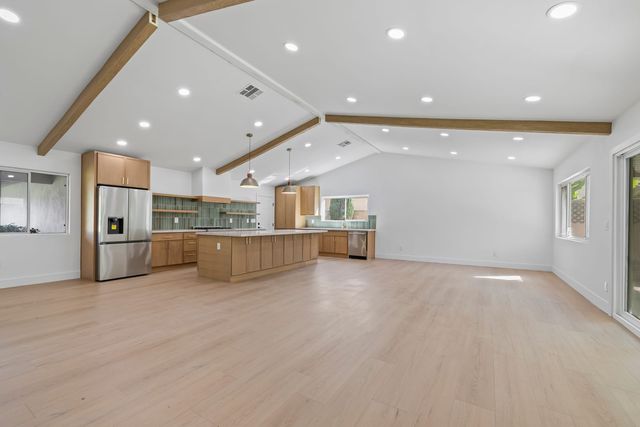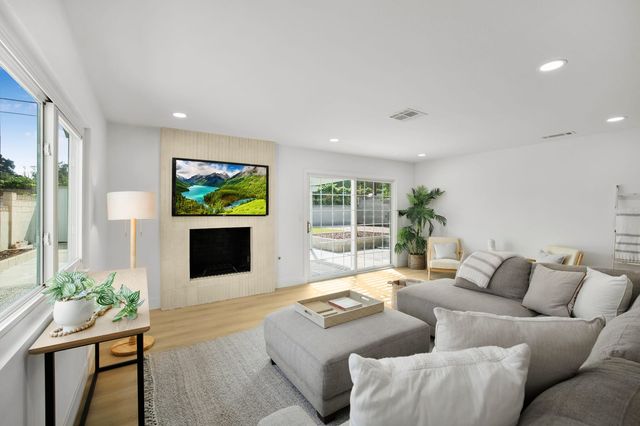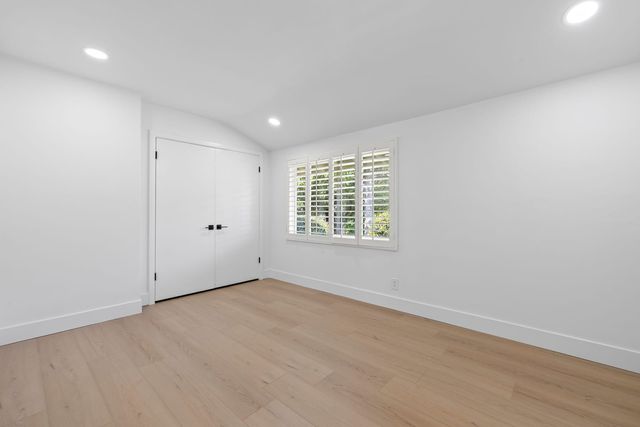
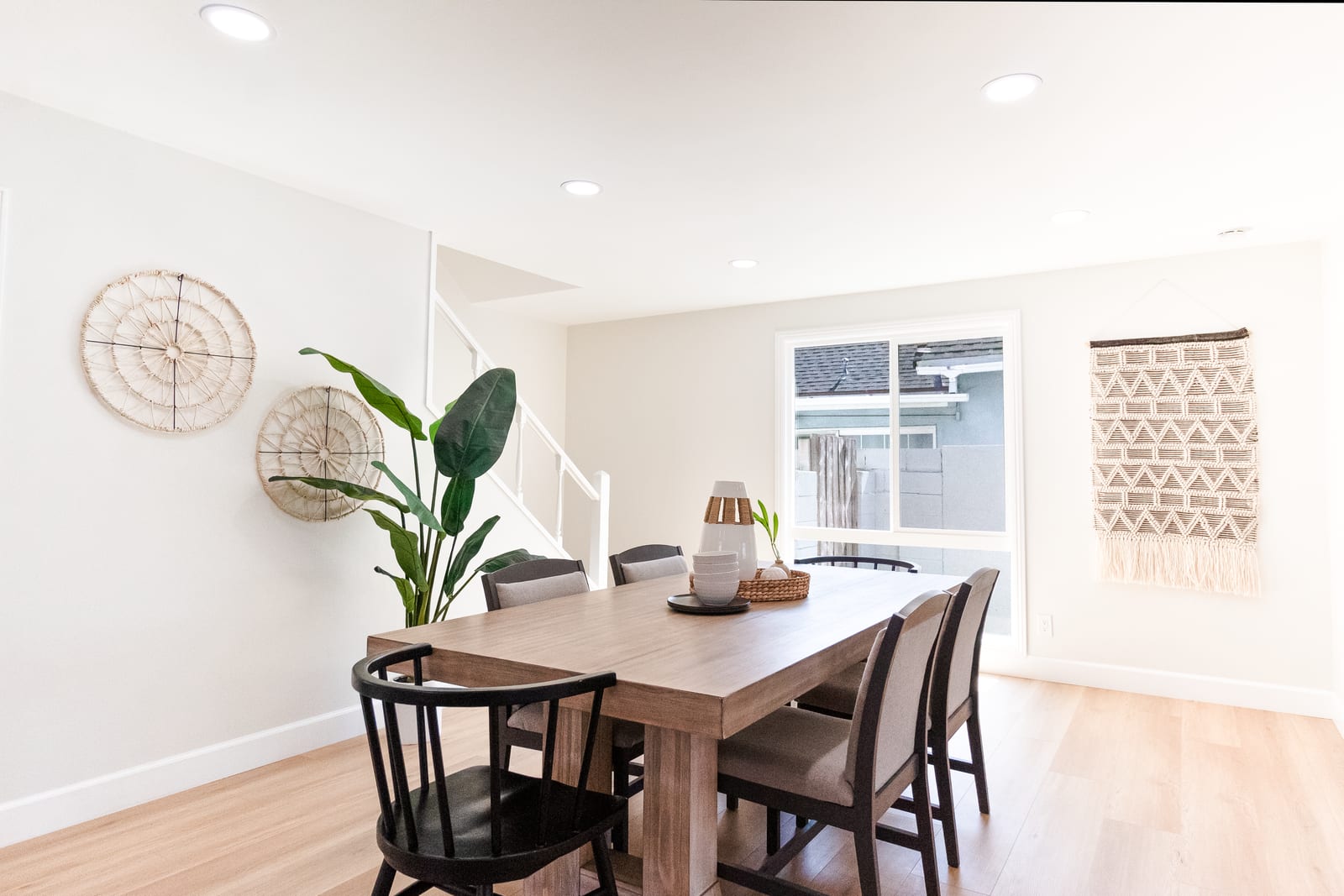
North of Foothill Boulevard, Claremont is largely postwar single-story ranch tracts on wider lots reaching toward Base Line Road, and that repetition is what an appraiser works from. The strongest comparable for a tract house is usually a sale of the same floor plan, the same model, in the same tract or one built alike. The analysis then adjusts only for what changed after the builder left: an added room, a converted garage, a remodeled kitchen, a pool, the lot and the condition, each one shown in a grid a reviewer can follow.
It is written for owners, heirs, trustees, buyers without a lender and attorneys who want to know how the comparison is built before the visit.
Why compare tract houses model to model?
Foothill Boulevard is the old Route 66, and much of the land above it was once citrus groves. Claremont Heritage describes the ranch house as the postwar answer to the demand for housing, built on former grove land. Tract builders typically repeated a small number of plans across a tract.
That repetition is useful evidence. When two houses began as the same model, the original size, layout, construction and age are already matched, and the remaining differences are the ones owners made. A comparable sale, a closed sale of a property similar enough that a buyer of this house would have weighed it, is strongest when it shares the subject's model and its stretch of the tract. Fannie Mae's Selling Guide, which governs many lender assignments, likewise calls sales from within the neighborhood the best indicator of value and asks for comparables with similar physical and legal characteristics.
How does the appraiser identify the model?
From the house itself. The appraiser measures the exterior and draws a sketch, and the footprint, roofline, garage position and room arrangement usually make the original plan clear. Gross living area, the finished, heated space above grade, is calculated from those measurements, not copied from the assessor record. For loans sold to Fannie Mae, appraisers follow the ANSI Z765-2021 measuring standard.
Public records are a cross-check. When a recorded square footage differs from the measured one, the report explains why. The visit takes 30 to 60 minutes for a standard single-family home, longer for hillside, custom, multi-family or homes with additions.
What gets adjusted once the model matches?
An adjustment is the amount a comparable's price is changed to account for a difference from the subject that buyers react to. Fannie Mae requires adjustments to reflect the market's reaction, not the cost of the item, and says a statement that an adjustment was made is not enough without comment on how it was supported. On a north-of-Foothill tract house, the usual rows are these:
- Added living area, such as a family room or a rear bedroom, and whether it was permitted.
- Garage conversions, which change both the living area and the parking, and are treated by permit status.
- Lot size and usability. Lots here are often wide; an oversized lot is weighed when its extra space is usable and buyers pay for it.
- Kitchen and bath updating, reflected in the condition and quality ratings.
- Pools, solar and other site improvements, with owned and leased solar recorded differently.
- Location within the area, such as frontage on a busier corridor like Foothill Boulevard or Base Line Road.
Shown blank, as every grid on this site is, the comparison looks like this:
RowSubjectComparable 1Comparable 2Comparable 3
Model or original plan
-
-
-
-
Gross living area
-
-
-
-
Lot size
-
-
-
-
Garage or conversion
-
-
-
-
Additions and permit status
-
-
-
-
Pool and site improvements
-
-
-
-
Condition rating
-
-
-
-
Net adjustment
-
-
-
-
How are additions and conversions treated?
Permit history decides most of it. A permitted addition is counted as living area when it is finished, heated and built to match the house. For loans sold to Fannie Mae, when an addition lacks a required permit the appraiser must comment on the quality and appearance of the work and its effect, if any, on market value. Where permit status cannot be confirmed from records or the owner's papers, the report may rest on an extraordinary assumption, an assumption about uncertain facts that, if false, could change the result, and it says so plainly.
The idea underneath is contributory value, what an improvement adds to the whole property in the market. A large addition does not automatically add what it cost, and a pool does not automatically add anything; the sales of similar models with and without those features are the evidence.
What if the same model has not sold recently?
The search widens in steps, and the report says when it did. First to similar plans of the same size and age in other tracts north of Foothill. Then, only when they are genuinely better evidence, to sales on the other side of Base Line Road or across the county line. Claremont is in Los Angeles County; cross Mills Avenue or Claremont Boulevard and you are in Montclair or Upland, assessed by San Bernardino County, where school districts and buyer pools change even where the houses look alike. A Claremont house is appraised from Claremont sales first, and a reviewer rejects a Montclair or Upland tract sale used without a location adjustment. What the county line does to comparable sales explains why.
The contrast with the older blocks is the point of this cluster's pocket-by-pocket approach. A tract ranch is not compared with a pre-1940 Craftsman or Spanish Colonial Revival home near the Colleges on bedroom count, and a flat lot is not used for a Claraboya hillside home without view and grade adjustments.
What does the report state, and what is it not?
The first pages state the intended use, what the report will be used for, the intended users, the people entitled to rely on it, and the effective date, the date the opinion of value applies to. Home Appraisal in Claremont: What the Report Measures, Pocket by Pocket covers every section, and the Home Appraisal in Claremont hub lists the other pockets. The Claremont area page describes how north of Foothill fits into ZIP code 91711.
An automated estimate such as a Zestimate or other AVM is not an appraisal, and neither is an agent's CMA, the county's assessed value or a cash offer. The appraiser is independent of every party, including the one who pays. The fee is set by the scope of the assignment and quoted before work begins, and it does not depend on the value; the report is typically delivered three to five business days from the inspection. Assignment types are listed on the services page.
Next step
To have a house north of Foothill appraised for an estate, a trust, a purchase or a family law matter, request an appraisal or call (909) 324-6122. Have permits for any additions, conversions, pools or solar ready for the visit.
Sources
- The Appraisal Foundation, Uniform Standards of Professional Appraisal Practice (USPAP) (accessed October 30, 2026)
- Fannie Mae Selling Guide B4-1.3-08, Comparable Sales (accessed October 30, 2026)
- Fannie Mae Selling Guide B4-1.3-09, Adjustments to Comparable Sales (accessed October 30, 2026)
- Fannie Mae Selling Guide B4-1.3-05, Improvements Section of the Appraisal Report (ANSI Z765-2021 measurement, additions, ADUs) (accessed October 30, 2026)
- Claremont Heritage, Architecture (styles and eras, postwar ranch houses, Arbol Verde) (accessed October 30, 2026)
- Wikipedia, Claremont, California (the Village and its expansion west of Indian Hill Boulevard, Claraboya, Padua Hills, Wilderness Park, ZIP 91711) (accessed October 30, 2026)
- Wikipedia, Montclair, California (Mills Avenue western boundary) (accessed October 30, 2026)
- California Bureau of Real Estate Appraisers, license lookup for Gordon Hall (accessed October 30, 2026)
Gordon Hall, California Certified Residential Real Estate Appraiser, BREA No. AR003877 (lookup: https://www2.brea.ca.gov/breasearch/faces/party/view.xhtml?id=23601). Reports are prepared in conformity with the Uniform Standards of Professional Appraisal Practice (USPAP). Nothing here is legal or tax advice; admissibility is always the court's decision.
Frequently asked questions
What does comparing model to model mean in a Claremont tract appraisal?
It means the appraiser looks first for sales of houses built from the same original floor plan in the same tract or one built alike. Size, layout, construction and age then already match, so the adjustments focus on what owners changed: additions, conversions, updating, pools and condition.
Does a converted garage count as living area?
It depends on permit status and how the space is finished and heated. The appraiser measures it, records whether it was permitted, and treats a permitted conversion and an unpermitted one differently, with the reasoning written in the report.
Will sales from Upland or Montclair be used for a house north of Foothill?
Only when they are genuinely better evidence than Claremont sales, and then with a location adjustment explained. Those cities are in San Bernardino County, where the assessor, school districts and buyer pools differ even where the houses look alike.
Why does my measured square footage differ from the county record?
Gross living area is measured on site from the exterior, and records often miss later changes such as an addition, an enclosed patio or a converted garage. The report states the measured figure and explains the difference.