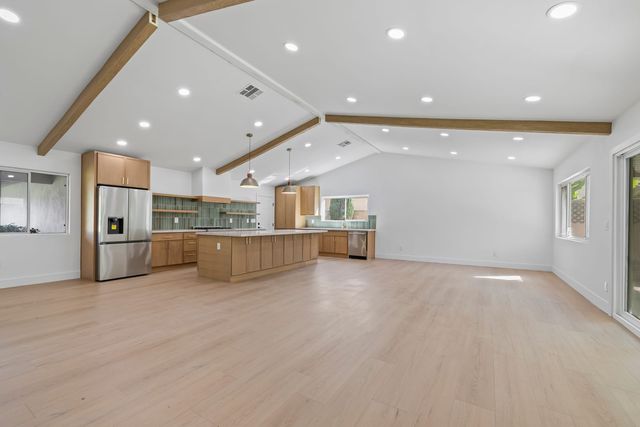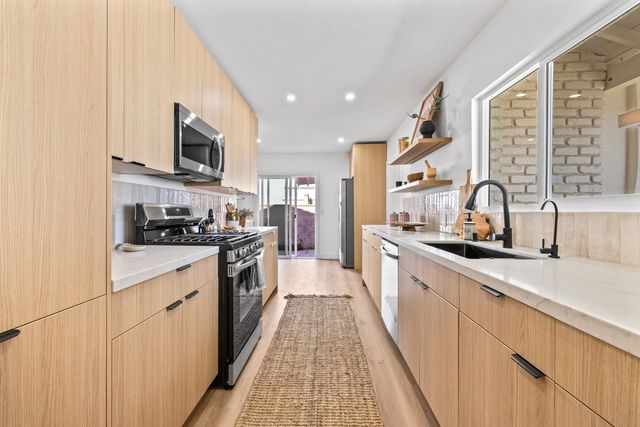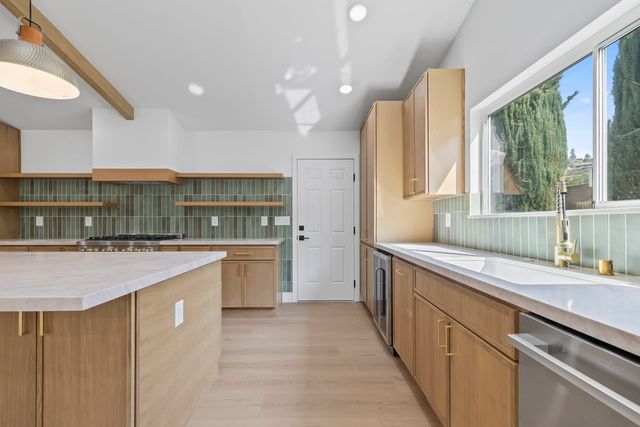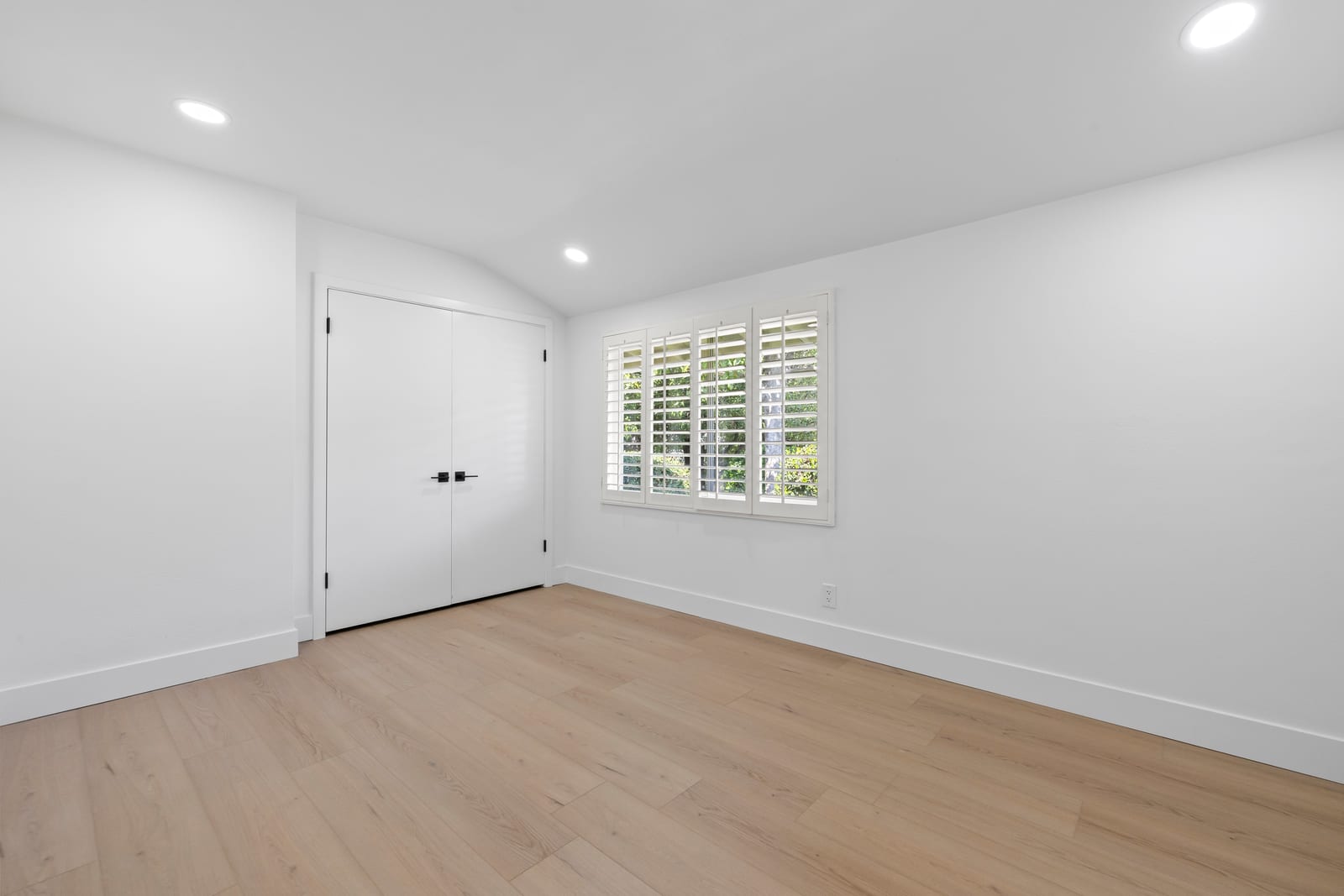
A home in the Village expansion west of Indian Hill Boulevard is appraised against newer construction like itself first: other recent infill near the Village and, when the home belongs to a project with a homeowners association, other homes in that project or in projects built the same way. The pre-1940 houses a short walk east share the Village but not the buyer's comparison, so their sales enter the analysis only with the reasoning written out. The appraiser measures the home on site, records what the association owns and maintains, and explains every comparable chosen and every one set aside.
This article is for owners, buyers paying cash, trustees, heirs and attorneys who need an appraisal of a newer home in this part of Claremont and want to know how the report will treat it before anyone schedules a visit.
Why is the Village expansion its own pocket?
Claremont's oldest blocks surround the Village and the Colleges along Indian Hill Boulevard and College Avenue, where Craftsman bungalows and Spanish Colonial Revival houses date from the decades before 1940. West of Indian Hill, the Village expansion was built on the site of a former citrus packing plant and added newer mixed-use and residential infill. The two areas share the same walk to the shops, yet the houses are a generation or more apart in age, layout, systems and finishes.
That difference is the whole reason the pocket gets its own comparable search. A buyer looking at a newer townhome near the Village weighs it against other newer homes with similar floor plans, parking and association dues. A buyer looking at a 1920s bungalow on College Avenue weighs it against other houses of that era. The Claremont area page describes how these pockets behave as separate markets inside one ZIP code, 91711.
Which sales does the appraiser compare first?
A comparable sale, a closed sale of a property similar enough that a buyer of this home would have weighed it, is searched for in this order:
- Resales inside the same project, when the home is part of one. Same builder, same construction period, same association, often the same floor plans.
- Other newer infill near the Village, attached or detached to match the subject, with differences in size, level count and outdoor space adjusted.
- Newer homes of similar design elsewhere in Claremont, such as later townhome and condominium projects south of the 10, used only with a location adjustment explained.
Older Village houses come last, if at all. Fannie Mae's Selling Guide, which governs many lender assignments, calls sales from within the neighborhood the best indicator of value, requires at least three closed comparables in the sales comparison approach, and allows sales from competing market areas when the appraiser explains their comparability. The sales comparison approach is the method that estimates value from closed sales of similar properties, each one adjusted for its differences from the subject.
The grid in the report lays the evidence out row by row. Shown blank, as every grid on this site is:
RowSubjectComparable 1Comparable 2Comparable 3
Location within Claremont
-
-
-
-
Attached or detached, levels
-
-
-
-
Gross living area
-
-
-
-
Association and shared elements
-
-
-
-
Condition and quality ratings
-
-
-
-
Net adjustment
-
-
-
-
What does the inspection record on a newer infill home?
The visit takes 30 to 60 minutes for a standard single-family home, longer for hillside, custom, multi-family or homes with additions. On a newer home near the Village the attention goes to a few specific things.
- Gross living area, the finished, heated space above grade, measured on site rather than copied from a brochure or the assessor record. A multi-level townhome is measured floor by floor. For loans sold to Fannie Mae, appraisers follow the ANSI Z765-2021 measuring standard.
- Condition and quality ratings. A newer home is not rated at the top of the scale by default; the rating describes what is observed, from finishes and wear to any deferred maintenance.
- Shared walls, parking and private outdoor space. Garage or assigned parking, a patio or balcony, and which walls and roofs are shared are all recorded, because buyers compare them directly.
- Mixed-use setting. When a home sits above or beside commercial space, the report describes that plainly. Whether a particular loan program accepts the property is the lender's decision, not the appraiser's.
The appraiser does not test systems; that is a home inspector's work, compared in appraisal vs. home inspection.
What changes when the home is in an association project?
The association is part of what a buyer is purchasing, so it is part of the report. The appraiser records the association, its dues and what they cover, and any special assessment the owner has been notified of. Differences in dues or amenities between the subject and a comparable are adjusted only where sales show that buyers react to them.
The association's budget and reserves sit outside the appraisal; a lender that requires a project review handles them. The dues statement and any assessment notice still help the report describe the project accurately.
How are the older Village houses handled?
They are used when the newer-home evidence is thin, and then only with stated reasoning. A reviewer would question a newer infill townhome valued from Craftsman bungalow sales on bedroom count alone, just as a reviewer rejects a Village Craftsman compared with postwar ranch houses north of Foothill. When an older sale does appear, the report says why it was chosen and how the differences in age, design, lot and living area were adjusted.
The older blocks have their own articles in this cluster: measuring a Village bungalow with later additions and appraising a pre-1940 Craftsman or Spanish Colonial Revival home near the Colleges.
What is the report, and what is it not?
The report states its intended use, what the report will be used for, and its intended users, the people entitled to rely on it, on its first pages. It also states the effective date, the date the opinion of value applies to, which for an estate or a trust may be a date in the past. Home Appraisal in Claremont: What the Report Measures, Pocket by Pocket walks through each section, and the Home Appraisal in Claremont hub collects the rest of this cluster.
An automated estimate such as a Zestimate or another AVM is not an appraisal. Neither is an agent's CMA, the county's assessed value or a cash offer. None is an independent opinion of market value developed under USPAP. The appraiser is independent of every party, including the one who pays, and the fee is set by the scope of the assignment and quoted before work begins; it does not depend on the value. The report is typically delivered three to five business days from the inspection. The full list of assignment types is on the services page.
Next step
If you need a Village expansion home appraised for an estate, a trust, a purchase without a lender or a family law matter, request an appraisal or call (909) 324-6122. The scope, the fee and what the visit involves are settled before anything is scheduled.
Sources
- The Appraisal Foundation, Uniform Standards of Professional Appraisal Practice (USPAP) (accessed October 30, 2026)
- Fannie Mae Selling Guide B4-1.3-08, Comparable Sales (accessed October 30, 2026)
- Fannie Mae Selling Guide B4-1.3-05, Improvements Section of the Appraisal Report (ANSI Z765-2021 measurement, additions, ADUs) (accessed October 30, 2026)
- Fannie Mae Selling Guide B4-1.3-06, Property Condition and Quality of Construction of the Improvements (accessed October 30, 2026)
- Wikipedia, Claremont, California (the Village and its expansion west of Indian Hill Boulevard, Claraboya, Padua Hills, Wilderness Park, ZIP 91711) (accessed October 30, 2026)
- Claremont Heritage, Architecture (styles and eras, postwar ranch houses, Arbol Verde) (accessed October 30, 2026)
- California Bureau of Real Estate Appraisers, license lookup for Gordon Hall (accessed October 30, 2026)
Gordon Hall, California Certified Residential Real Estate Appraiser, BREA No. AR003877 (lookup: https://www2.brea.ca.gov/breasearch/faces/party/view.xhtml?id=23601). Reports are prepared in conformity with the Uniform Standards of Professional Appraisal Practice (USPAP). Nothing here is legal or tax advice; admissibility is always the court's decision.
Frequently asked questions
Can sales of older Village houses be used for a Village expansion home?
Only when the newer-home sales are thin, and then with the reasoning written out. The older houses east of Indian Hill Boulevard differ in age, layout, systems and lot, so the report explains why any such sale was chosen and how each difference was adjusted.
Does the appraiser review the homeowners association's finances?
No. The appraiser records the association, its dues, what they cover and any assessment the owner has been notified of. A lender that requires a project review handles the association's budget, reserves and other project questions separately.
How is a multi-level townhome near the Claremont Village measured?
Floor by floor, on site. Gross living area, the finished, heated space above grade, is calculated from those measurements rather than from a brochure or the assessor record. For loans sold to Fannie Mae, appraisers follow the ANSI Z765-2021 measuring standard.
How long does a Village expansion appraisal take?
The inspection takes 30 to 60 minutes for a standard single-family home, longer for hillside, custom, multi-family or homes with additions. The report is typically delivered three to five business days from the inspection.