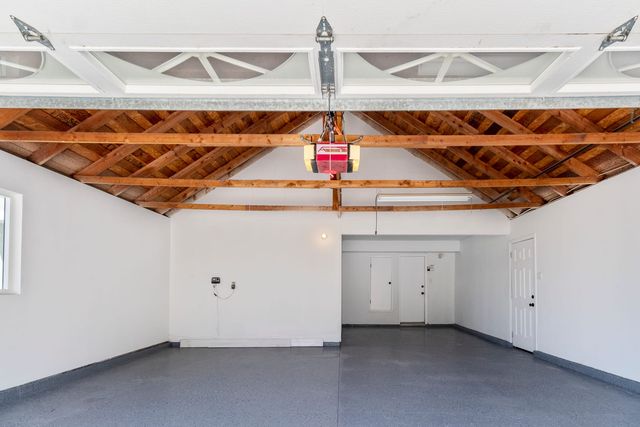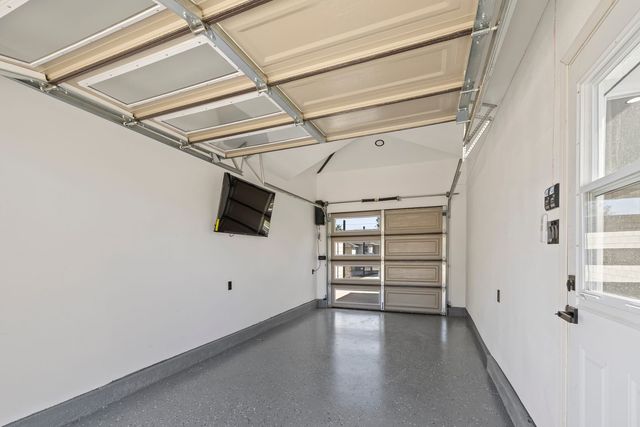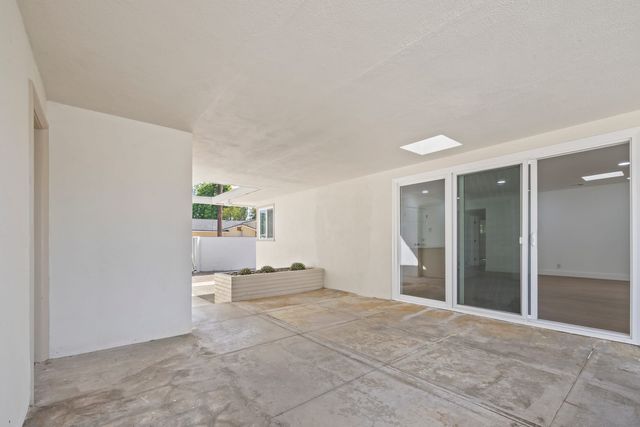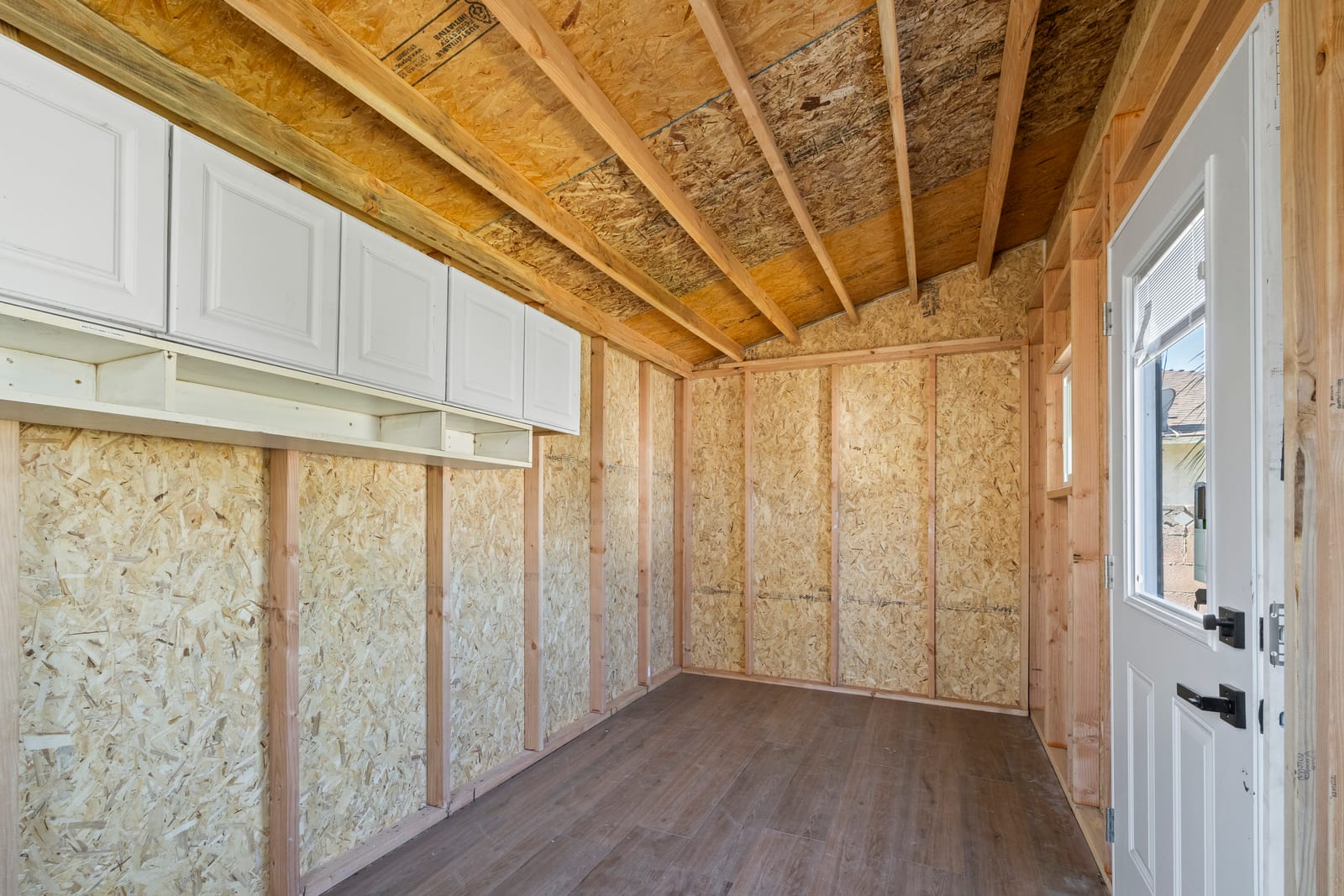
A new house in Upland is appraised against two kinds of evidence: closed sales inside its own project, often the builder's own sales, and closed sales outside it, ideally resales that do not involve the builder. The appraiser then adjusts both for differences, including any sales concessions and upgrades, and explains which sales carried the most weight and why. A single new house on an older Upland block has no project to draw on, so the search turns to newer houses nearby and the report explains that choice too.
This article is part of the ADUs, additions and new construction series. The pillar, how an ADU is appraised, covers second units; this page covers whole new houses.
Where new construction happens in and around Upland
Upland's housing follows its history. Downtown holds designated historic districts and the Euclid Avenue District, whose period of significance the city dates to 1895-1936. South of the 210 the city is mostly postwar and later tract housing with some condominium and townhome projects. North of the freeway the land rises toward the foothills, with larger lots and view homes.
New houses in that setting arrive in two forms: a project of several new homes, where a builder sells one after another, or a single infill house replacing or joining older homes on an established block. Each calls for a different comparable search. New homes are also built nearby in Etiwanda in Rancho Cucamonga and in The Preserve in Chino; their sales are used for an Upland house only when they are the better evidence. The Upland area page describes the pockets.
What the lender's guide requires for a new project
For loans sold to Fannie Mae, Selling Guide section B4-1.3-08 sets the comparable rules when the subject "is located in a new (or recently converted) condo project, subdivision, or PUD." The report must include:
- "At least one settled comparable sale from the subject condo project, subdivision, or PUD."
- "At least one settled comparable sale from outside the subject condo project, subdivision, or PUD."
The guide gives the reason: "This comparison should help demonstrate market acceptance of new developments and the properties within them." It adds that a resale "is preferable if it is verifiable and does not involve the subject builder or developer," and that when the subject is among the first homes to sell, "the appraiser may use two pending sales in the subject project, subdivision, or PUD in lieu of one settled sale." For a small new project with no sales yet, the appraiser "may use comparable sales from a competing project," of "a similar size and type."
Builder sales: what is verified and how
A builder's own closings are real sales, but they are not always in the usual data. The same section says that when builder sales from competing projects are not in traditional data sources, "the appraiser must verify the sale from the applicable settlement statement." It also requires that "the appraisal must include discussion and analysis of sales concessions and upgrades for the subject property," compared with each builder sale used.
Two homes with the same floor plan may close on different terms, and the contract price alone does not show the difference.
Builder incentives and the concession adjustment
A sales concession is something of value the seller gives the buyer as part of the sale, such as paid closing costs or a rate buydown. Fannie Mae's section B4-1.3-09 lists examples including "interest rate buydowns or other below-market rate financing" and says comparables with concessions "must be adjusted to reflect the impact, if any, on the sales price." The adjustment follows the market, not the builder's ledger: it should approximate "the reaction of the market to the concessions," and a dollar-for-dollar deduction is appropriate only when the analysis shows the market reflects the concession in full. The guide also says positive adjustments for concessions are not acceptable.
Upgrades are a separate line. A finish or a feature a buyer paid extra for is measured like any other feature against the sales, not credited at what it cost. The house's gross living area, its finished above-grade living space, is measured to the same standard as any resale; whether an ADU is part of gross living area covers lots that also carry a second unit.
Resales: why the guide prefers them
A resale, a later sale of a home in the project by its first owner, shows what an ordinary buyer paid without a builder setting the terms. In Upland, a newer tract south of the 210 may already have resales that answer the question better than the builder's latest closing does. Where none exists yet, the report says so and relies on the outside sales.
The single infill house
A new house on an older Upland block has neither a project nor resales. Its comparables come from three directions, each with a cost:
- Newer houses in similar Upland settings, adjusted for location and lot.
- Older houses on the same blocks, adjusted for age, condition and quality, which the report rates on the form's scales.
- Sales across the line, from Claremont to the west in Los Angeles County or Rancho Cucamonga to the east, used only when they are the better evidence, with the location adjustment explained.
Upland sales come first. A Claremont Village sale used for a west Upland house without a location adjustment is one of the errors a reviewer throws out. For hillside and view lots at the north end, how a view is measured in Upland covers the extra adjustment.
Before it is built: subject to completion
A construction lender often orders the appraisal from plans. A subject-to-completion appraisal values the property as if the plans and specifications were built as described, under a hypothetical condition, a condition assumed for the analysis that is known to be contrary to fact. Fannie Mae's section B4-1.2-05 says such an appraisal "must be based on either plans and specifications, an existing model home" or another basis the section lists. If a fact about the plans cannot be confirmed, an extraordinary assumption, an assumption about uncertain facts that, if false, could change the result, is stated in the report. A lender may also ask for the as-is value, the value of the property in its present state, such as a lot with a foundation.
After the work, a completion report, the appraiser's later statement on whether the house was built as the plans described, closes the file. Under UAD 3.6, Freddie Mac's FAQ says "Restricted Appraisal Update Reports and Completion Reports are no longer one report," and that "new construction should now be reported as Fully Updated instead of Not Updated." The redesigned report is mandatory for new reports submitted to Fannie Mae and Freddie Mac on or after November 2, 2026. Permits and inspections run through the city; Upland's Building and Safety division, its planning pages say, "Issues building permits and provides inspections."
What a builder or owner should have ready
- Plans, specifications, the construction budget and the list of included features and upgrades.
- The purchase contract with every concession and credit, for a builder sale.
- Permits and the final inspection sign-off, for a finished house.
Next step
New construction and ADU appraisal describes subject-to-completion and completion assignments. You can request an appraisal or call (909) 324-6122. Reports are typically delivered three to five business days from the inspection, and the fee is set by the scope of the assignment, quoted before work begins and does not depend on the value.
Sources
- Fannie Mae Selling Guide B4-1.3-08, Comparable Sales (06/04/2025) (accessed November 6, 2026)
- Fannie Mae Selling Guide B4-1.3-09, Adjustments to Comparable Sales (06/04/2025) (accessed November 6, 2026)
- Fannie Mae Selling Guide B4-1.2-05, Requirements for Verifying Completion and Postponed Improvements (12/10/2025) (accessed November 6, 2026)
- Freddie Mac, Uniform Appraisal Dataset (UAD) 3.6 and forms redesign FAQ (accessed November 6, 2026)
- City of Upland, Accessory Dwelling Units (Planning and Building and Safety roles) (accessed November 6, 2026)
- City of Chino, The Preserve (accessed November 6, 2026)
- California Bureau of Real Estate Appraisers, license lookup for Gordon Hall (accessed November 6, 2026)
Gordon Hall, California Certified Residential Real Estate Appraiser, BREA No. AR003877 (lookup: https://www2.brea.ca.gov/breasearch/faces/party/view.xhtml?id=23601). Reports are prepared in conformity with the Uniform Standards of Professional Appraisal Practice (USPAP). Nothing here is legal or tax advice; admissibility is always the court's decision.
Frequently asked questions
Can an appraiser use only the builder's own sales for a new Upland house?
Not for a loan sold to Fannie Mae. Selling Guide section B4-1.3-08 asks for at least one settled sale from inside the new project and at least one from outside it, and prefers a verifiable resale that does not involve the builder. The outside sale shows whether the wider market accepts the project.
How are builder incentives handled in a new construction appraisal?
A comparable that closed with concessions, such as paid closing costs or a rate buydown, is adjusted to reflect the market's reaction to the concession, not automatically its cost. Fannie Mae's section B4-1.3-09 also says positive adjustments for concessions are not acceptable, and the report discusses the subject's own concessions and upgrades.
Can a house in Upland be appraised before it is built?
Yes. A subject-to-completion appraisal values the property as if the plans and specifications were built as described, under a hypothetical condition, a condition assumed for the analysis that is known to be contrary to fact. After construction, a completion report states whether the house was built as planned.
Are Claremont or Rancho Cucamonga sales used for a new Upland house?
Only when they are the better evidence, with the location difference explained. Upland sales come first. Claremont is across the county line in Los Angeles County, and buyers weigh the two sides differently even where the houses are alike.