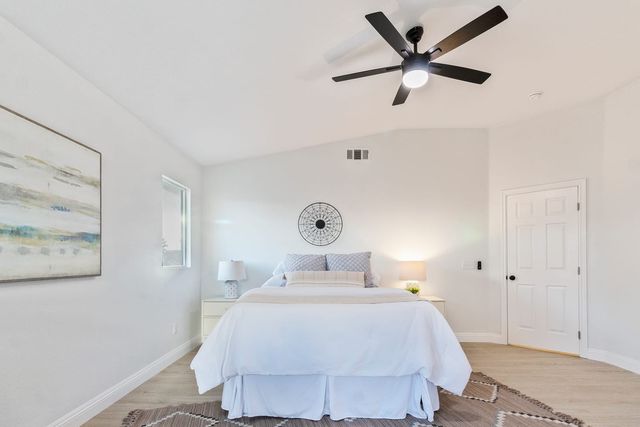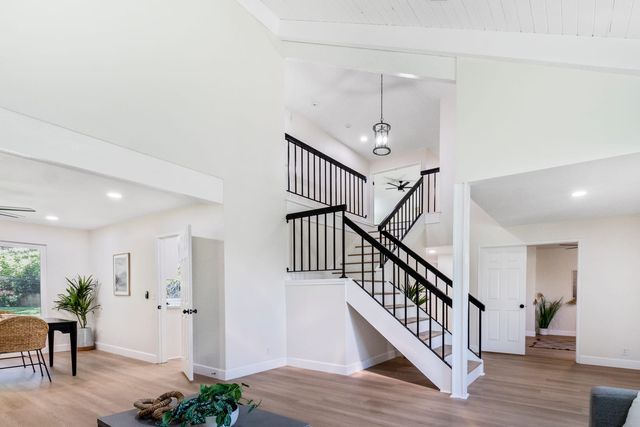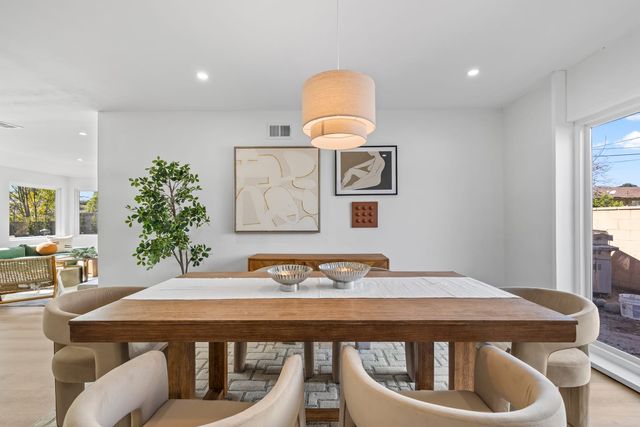
Preparing for a home appraisal in Claremont comes down to access and paperwork. Unlock gates and secure pets, make the water heater, electrical panel, HVAC equipment, attic hatch and garage reachable, and have permits, plans or a survey out for anything added or changed. No staging is needed: clutter is not a value factor, condition is. None of this changes what the house is; it lets the appraiser describe it accurately in one visit.
Below is the checklist in three parts, what changes for different kinds of Claremont houses, and what preparation cannot do.
Access: make every space reachable
The inspection is 30 to 60 minutes for a standard single-family home, longer for hillside, custom, multi-family or homes with additions. Most delays come from a locked door, not from the house.
- Gates and codes. Unlock side gates, and share any gate or lockbox code on the scope call.
- Pets. Secure them, inside and in the yard, so the appraiser can walk the full exterior with a measuring tool.
- Equipment. Clear a path to the water heater, the electrical panel, the furnace and air conditioning equipment, and the attic hatch.
- Every room and structure. The garage, any locked room, a detached studio, and an ADU or rear unit, with keys on hand.
- Someone with keys. You, a family member, an agent or a property manager, as long as they can open everything. What happens on appraisal inspection day in Claremont describes the visit itself.
Permits and plans: the documents that settle questions
Permit history is how an appraiser tells finished living area that counts from space that may not. Gross living area, the finished, heated space above grade, is measured on site, but whether an addition or conversion is treated as living area often turns on a permit and a final sign-off.
- Permits and finals for additions, remodels, garage conversions, ADUs, solar and pools.
- Plans for any addition or ADU, if you have them.
- A survey or plot plan if the lot has an unusual shape, an easement, a shared driveway or a slope.
If you do not have copies, the City of Claremont's building records are the place to ask. If a permit cannot be found, say so; the appraiser notes what is known and what is not, rather than guessing. On an older house, work done long ago sometimes has no permit on file.
Paperwork: a short file for the appraiser
- A list of improvements with dates: roof, windows, HVAC, kitchen, baths, sewer line, foundation work. Month and year is enough.
- Solar: whether the panels are owned or leased, and the contract if leased.
- Leases for any rented unit, including an ADU.
- HOA documents for a townhome or condominium, such as those south of the 10.
- Closed sales you know of, if you want them considered. Each one is checked against records and weighed on its merits.
The paperwork answers the questions the appraiser would otherwise have to ask. What a Claremont owner should share with an appraiser covers the conversation on the day, including the things that do not belong in it.
Do you need to clean or stage?
No. Clutter is not a value factor; condition is, and it is recorded either way. The condition rating, the appraiser's standardized grade for the wear, maintenance and updating of the house, comes from the roof, the finishes, the systems and visible damage, not from whether the counters are clear. Staging is for buyers at showings. The appraiser needs to reach every room without moving furniture, and that is all.
Repairs are a separate question. Anything repaired before the visit is recorded as it stands that day, and anything not repaired is recorded as it is. Whether a repair is worth doing is a decision for you and your contractor, not one the appraiser can make for you.
What changes for different Claremont houses
These are the kinds of properties that come in, and what to add to the checklist for each.
- A pre-1940 house near the Village and the Colleges. Make any crawlspace access under a raised foundation reachable, and note what you know about enclosed porches and rear additions: when, and whether permitted. See historic pre-1940 home appraisal.
- A ranch house north of Foothill Boulevard. Permits for added baths, family-room extensions and garage conversions are usually the documents that matter most.
- A Claraboya or Padua Hills hillside home. Expect a longer visit. Have the survey, any retaining wall or drainage work, and directions for the driveway ready. See hillside and custom home appraisal.
- A home with an ADU. The ADU is measured and sketched as its own structure, so its door needs to be open and its permit final on hand.
- A rented home. California sets rules for when and how a landlord may enter a rented home (Civil Code section 1954). Give your tenant notice under those rules, and ask your attorney if you are unsure; nothing here is legal advice.
- An estate after a death. Keep the utilities on so lights and equipment can be seen, and arrange keys with whoever has authority. The effective date, the date the opinion of value applies to, may be the date of death, so note anything that changed since then. See estate and date-of-death appraisal.
The Claremont area page describes these pockets as separate markets, and what home appraisers look for in a Claremont house explains what gets recorded in each.
What preparation cannot do
Preparation makes the visit complete; it does not move the opinion. The appraiser develops an independent opinion of market value under USPAP, the Uniform Standards of Professional Appraisal Practice, from the house as it stands and from closed comparable sales. No tidy room, list or conversation steers that, and nothing about value is discussed at the house. The fee is set by the scope of the assignment and quoted before work begins; it does not depend on the value. The report is typically three to five business days from the inspection.
For the full sequence, from the scope call to the delivered report, see how a home appraisal works in Claremont, and for the rest of the process, the How a Home Appraisal Works hub.
Next step
The how it works page shows the assignment in brief. When you are ready, request an appraisal or call (909) 324-6122, and the scope call will tell you exactly what to have ready for your house.
Sources
- California Civil Code section 1954, landlord entry of a dwelling unit: leginfo.legislature.ca.gov (accessed October 30, 2026)
- City of Claremont: ci.claremont.ca.us (accessed October 30, 2026)
- The Appraisal Foundation, Uniform Standards of Professional Appraisal Practice (USPAP): appraisalfoundation.org (accessed October 30, 2026)
- Fannie Mae Selling Guide B4-1.3-06, Property Condition and Quality of Construction of the Improvements: fanniemae.com (accessed October 30, 2026)
- Zillow, inspection vs. appraisal: zillow.com (accessed October 30, 2026)
- Opendoor, appraisal vs. home inspection: opendoor.com (accessed October 30, 2026)
- California Bureau of Real Estate Appraisers, license lookup for BREA No. AR003877: brea.ca.gov (accessed October 30, 2026)
Gordon Hall, California Certified Residential Real Estate Appraiser, BREA No. AR003877 (lookup: https://www2.brea.ca.gov/breasearch/faces/party/view.xhtml?id=23601). Reports are prepared in conformity with the Uniform Standards of Professional Appraisal Practice (USPAP). Nothing here is legal or tax advice; admissibility is always the court's decision.
Frequently asked questions
How do I prepare for a home appraisal?
Make every space reachable: unlock gates, secure pets, and clear a path to the water heater, electrical panel, HVAC equipment, attic hatch, garage and any ADU. Have permits, plans or a survey and a dated list of improvements ready.
Do I need to clean my house before an appraisal?
No. Clutter is not a value factor; condition is, and it is recorded either way. Staging is for buyers. The appraiser only needs to reach every room and the equipment without moving furniture.
What if I cannot find permits for an older addition?
Say so. The appraiser notes what is known and what is not rather than guessing. The City of Claremont's building records are the place to ask for copies, and on an older house, work done long ago sometimes has no permit on file.
Should I be home for the appraisal inspection?
Someone who can open every room, the garage, the attic hatch and any ADU needs to be there. It can be you, a family member, an agent or a property manager.
Can preparing for the appraisal change the value?
No. Access, documents and tidying let the appraiser describe the house accurately in one visit. The opinion of value comes from the house as it stands and from closed comparable sales, and nothing about value is discussed at the house.