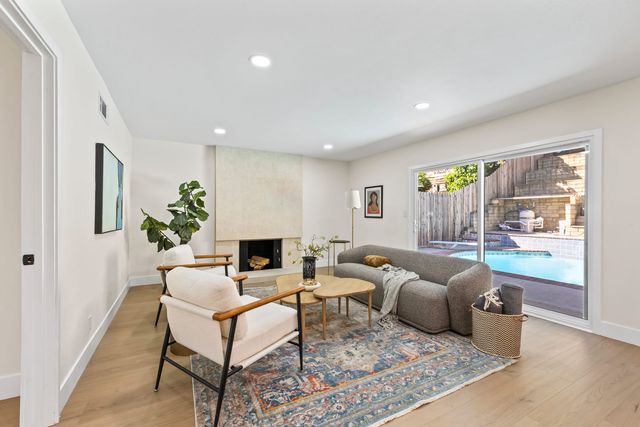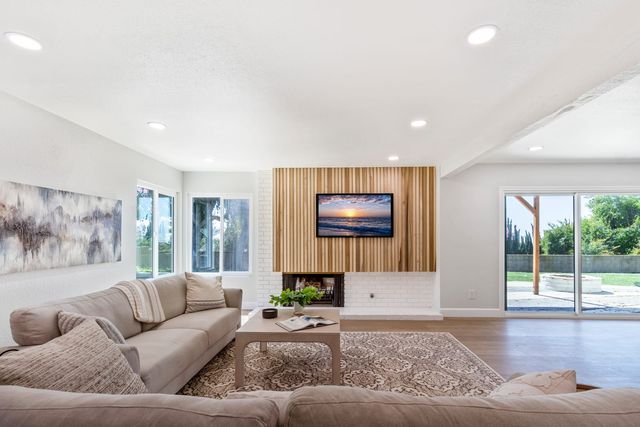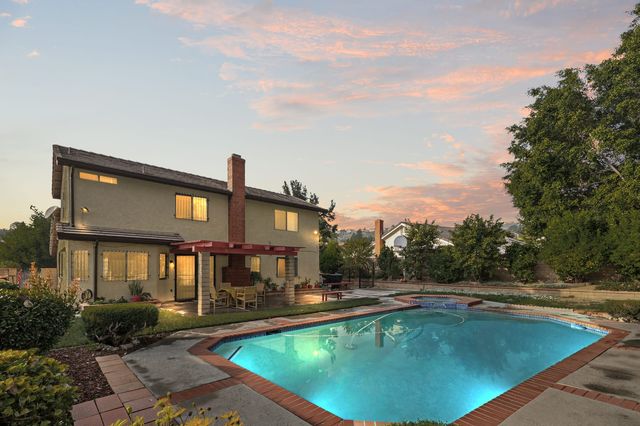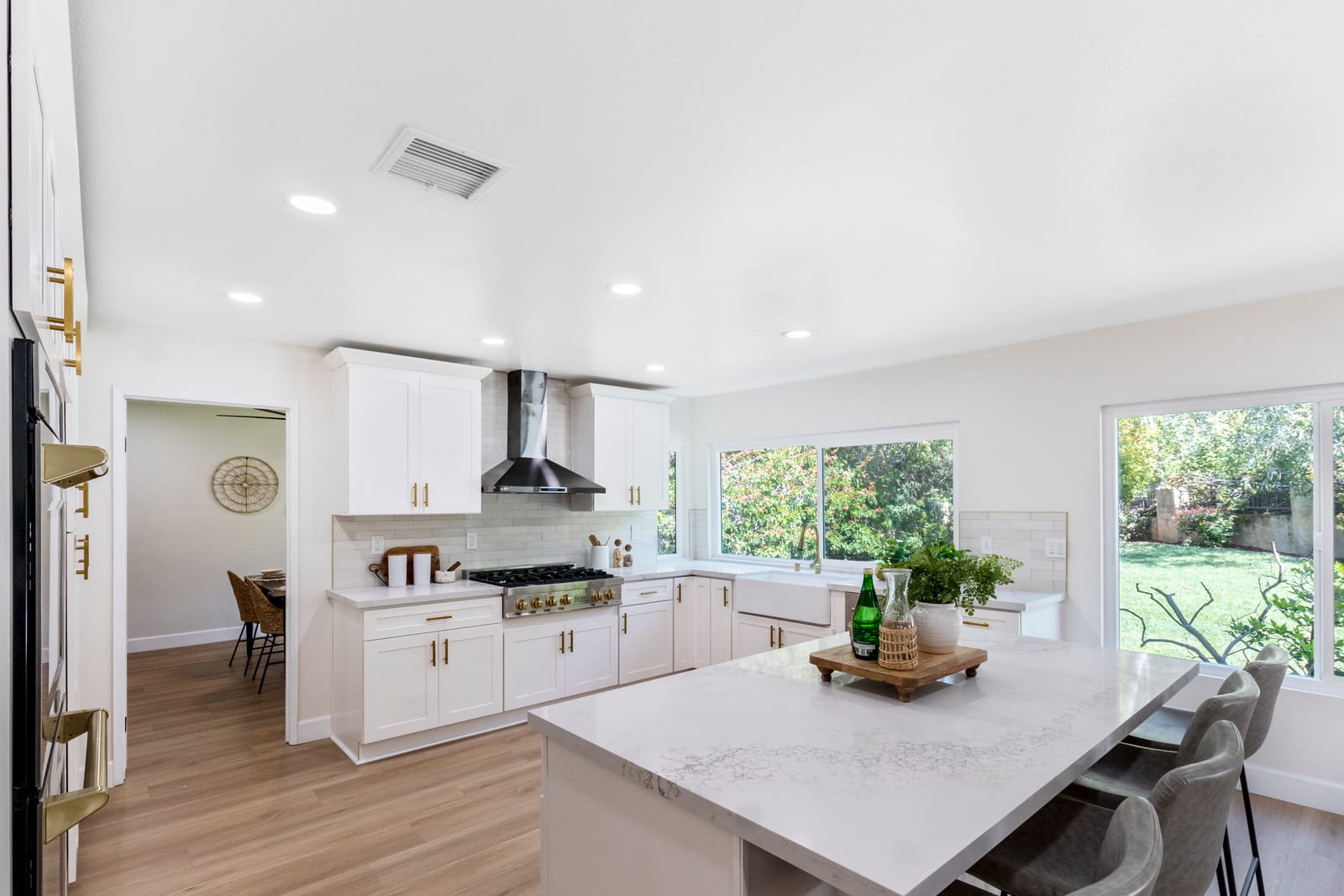
No. A higher price tier does not change the method: a Claremont house at the top of the market is appraised under the same definition of market value, with the same sales comparison approach and the same standards as any other house. What changes is the evidence. There are fewer closed sales to compare, the search for them usually goes wider, quality ratings sit at the top of the scale, and every adjustment and the final reconciliation have to be explained in more detail. On some loans, a federal rule also decides which level of appraiser license the assignment needs.
This article is part of the Hillside, Custom and Luxury Homes series; the pillar, appraising a one-off house, sets out the full method.
"Luxury" is a search word, not a report category
"Luxury" is a word from listings and search boxes. An appraisal report does not sort houses that way. It describes what a buyer is paying for: gross living area, lot, view, location, condition and construction quality, each in standardized terms, and it reaches an opinion of value from closed sales of houses that compete with the subject. A list price, the figure a seller asks, is not an appraisal. Neither is an automated estimate, a statistical figure an algorithm produces from records, nor an agent's comparative market analysis, an opinion of a likely list or sale price. The appraisal vs. estimate page sets the four side by side.
The definition of value stays the same
Fannie Mae's Selling Guide opens its definition this way: "Market value is the most probable price that a property should bring in a competitive and open market," followed by the conditions of a fair sale. Nothing in that definition moves with the price. The appraiser is independent of every party, including the one who pays, whatever the house is expected to sell for.
What changes: the evidence
In Claremont, the houses that fit no tract pattern sit in a few places. The foothills hold Claraboya and Padua Hills, near the Padua Hills Theatre, where custom and hillside homes sell on view, grade and access. In Northeast Claremont, the Stone Canyon Preserve homes sit beside the Wilderness Park. Near the Village and the Colleges, pre-1940 Craftsman and Spanish Colonial Revival houses stand beside a scattering of 1930s and 1940s modernist homes; Claremont Heritage notes that "Claremont has two of Neutra's works." The Claremont area page describes each pocket.
Few such houses sell in any given stretch of time, and Fannie Mae's comparable rules expect that. The Guide acknowledges "a shortage (or absence) of recent truly comparable sales in the immediate vicinity," says "an older sale may be more appropriate" when market conditions have limited recent ones, and allows a wider search provided the report gives "commentary to explain the rationale for selecting comparable sales outside the subject's market area." It also warns that "the appraiser must not expand the neighborhood boundaries just to encompass the comparables selected." A Claremont house is appraised from Claremont sales first; a sale from Upland or Montclair, across the county line in San Bernardino County, is used only when it is genuinely better evidence, with the location adjustment explained.
Quality at the top of the scale
A quality rating, the standardized Q1 to Q6 grade of design, materials and workmanship, is assigned to the subject and to each comparable. The Selling Guide describes a Q1 dwelling as "individually designed by an architect for a specified user" and a Q2 dwelling as "often custom designed for construction on an individual property owner's site." A higher price does not earn a higher rating; the rating "must reflect a holistic view of the quality of construction." The custom home article walks through how quality is read when no sale shares the plan.
Adjustments still come from the market
When sales are scarce, the comparables chosen often differ from the subject by more, so the adjustments can be larger. Fannie Mae "does not have specific limitations or guidelines associated with net or gross adjustments"; what it requires is that "the appraiser's adjustments must reflect the market's reaction," and when adjustments are extensive, "the underwriter must determine if the opinion of value is adequately supported."
The same discipline applies to finishes. Superadequacy, or over-improvement, is a feature whose cost exceeds what it adds to the property in its market, such as an elaborate wing or system the buyers of that location do not pay for. The measure is contributory value, what an improvement adds to the whole property in the market. A view gets the same treatment: the view property article explains how a view adjustment is drawn from closed sales.
Reconciliation, the step where the adjusted sales and any other approach used are weighed into one opinion, "must never be an averaging technique" except a properly explained weighted average, and the indicated value "must be within the range of the adjusted sales price of the comparables." With few sales, that explanation is often the longest paragraph in the report.
What can change on the lending side
Some rules depend on the loan rather than the house. Under the FDIC's appraisal rule at 12 CFR 323.3, "all complex appraisals for residential real estate transactions" in federally related transactions above a stated transaction value "shall require a State certified appraiser," and "the regulated institution shall be responsible for making the final determination of whether the appraisal is complex." California's Bureau of Real Estate Appraisers sets the Certified Residential scope by reference to that rule and the Appraiser Qualifications Board Criteria. BREA offers four license levels, two of them certified: Certified Residential, the level Gordon Hall holds, and Certified General, whose scope is "all types of real estate properties regardless of the transaction value or complexity."
For loans delivered to Fannie Mae or Freddie Mac, reports submitted on or after November 2, 2026 use the redesigned Uniform Residential Appraisal Report. A lender that keeps a loan or sells it elsewhere applies its own appraisal requirements, so ask the lender what it expects. Whether the report supports the loan is the underwriter's decision.
What the owner can do
Have the documents ready: plans and architect or builder information, any geotechnical, retaining wall or grading reports, permits for additions, and a list of improvements with approximate dates. Giving the appraiser a list of upgrades covers what helps. What an owner cannot get, at any price, is a value discussed before the work is done; why an appraiser will not name a value before the inspection explains the reason.
Next step
The hillside and custom home appraisal page describes the assignment. Send the address and the purpose of the report through the order form, or call (909) 324-6122. The inspection runs longer than the 30 to 60 minutes of a standard single-family home, and reports are typically delivered three to five business days from the inspection. The fee is set by the scope of the assignment and quoted before work begins, and it does not depend on the value.
Sources
- Fannie Mae Selling Guide B4-1.1-01, Definition of Market Value: https://selling-guide.fanniemae.com/sel/b4-1.1-01/definition-market-value (accessed November 6, 2026)
- Fannie Mae Selling Guide B4-1.3-08, Comparable Sales: https://selling-guide.fanniemae.com/sel/b4-1.3-08/comparable-sales (accessed November 6, 2026)
- Fannie Mae Selling Guide B4-1.3-09, Adjustments to Comparable Sales: https://selling-guide.fanniemae.com/sel/b4-1.3-09/adjustments-comparable-sales (accessed November 6, 2026)
- Fannie Mae Selling Guide B4-1.3-06, Property Condition and Quality of Construction of the Improvements: https://selling-guide.fanniemae.com/sel/b4-1.3-06/property-condition-and-quality-construction-improvements (accessed November 6, 2026)
- Fannie Mae Selling Guide B4-1.3-11, Valuation Analysis and Reconciliation: https://selling-guide.fanniemae.com/sel/b4-1.3-11/valuation-analysis-and-reconciliation (accessed November 6, 2026)
- 12 CFR 323.3, via Cornell Law School Legal Information Institute: https://www.law.cornell.edu/cfr/text/12/323.3 (accessed November 6, 2026)
- California Bureau of Real Estate Appraisers, Real Estate Appraiser License Levels: https://www.brea.ca.gov/lic_hdbk/0_real_estate_appraisal_licese_levels.pdf (accessed November 6, 2026)
- Freddie Mac, Uniform Appraisal Dataset (UAD) 3.6 FAQ: https://sf.freddiemac.com/faqs/uad-and-forms-redesign (accessed November 6, 2026)
- Claremont Heritage, Architecture: https://claremontheritage.org/architecture.html (accessed November 6, 2026)
Gordon Hall, California Certified Residential Real Estate Appraiser, BREA No. AR003877 (lookup: https://www2.brea.ca.gov/breasearch/faces/party/view.xhtml?id=23601). Reports are prepared in conformity with the Uniform Standards of Professional Appraisal Practice (USPAP). Nothing here is legal or tax advice; admissibility is always the court's decision.
Frequently asked questions
Is a high-end Claremont home appraised differently from an average one?
Not in method. The same definition of market value, the same sales comparison approach and the same standards apply. What differs is the evidence: fewer closed sales, a wider search for them, higher quality ratings and more explanation of each adjustment and of the final reconciliation.
Does the word luxury appear in an appraisal report?
Not as a category. The report describes gross living area, lot, view, location, condition and construction quality in standardized terms and compares the house with closed sales that compete with it. Luxury is a listing and search word, not an appraisal term.
Are adjustments limited on an expensive house?
Fannie Mae's Selling Guide sets no net or gross adjustment limits. It requires that adjustments reflect the market's reaction, and when they are extensive the underwriter decides whether the opinion of value is adequately supported.
What license does an appraiser need for a high-value home loan?
It depends on the loan. The FDIC's appraisal rule at 12 CFR 323.3 requires a State certified appraiser for complex residential appraisals in federally related transactions above a stated transaction value, and the lending institution decides whether an appraisal is complex. Gordon Hall holds a California Certified Residential license, BREA No. AR003877.