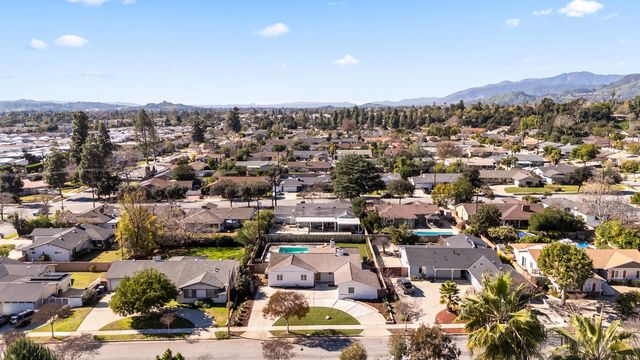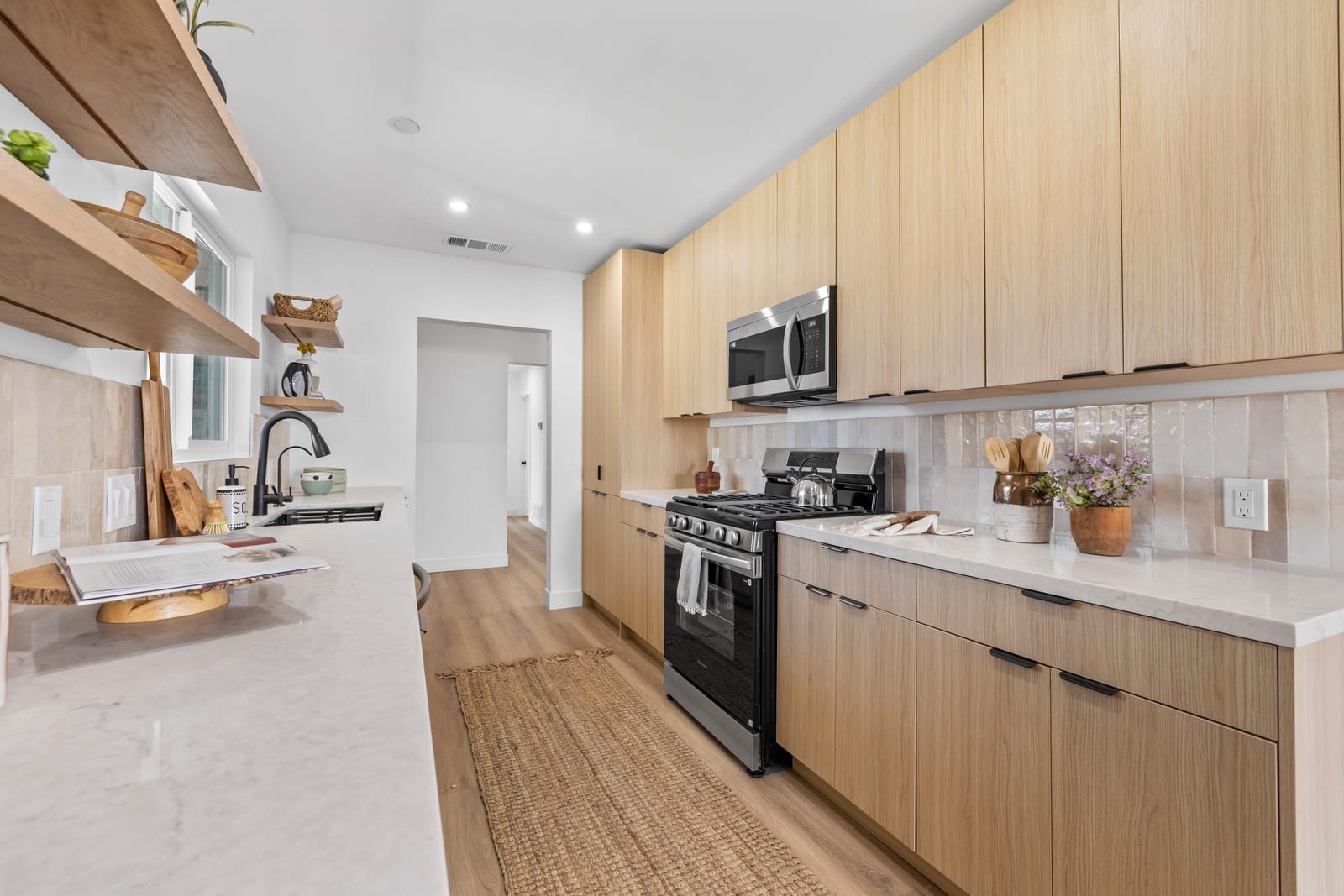
A newer home in the Village expansion west of Indian Hill is valued from sales of comparable newer construction, not from the pre-1940 houses a few blocks east. The infill on the former citrus packing plant site differs from the older Village in age, construction, layout and, where a project has a homeowners association, in what the association maintains and what an owner pays toward it. An appraiser looks first for sales of the same kind and explains any older-block or out-of-pocket sale used.
This article is for owners of newer homes in and around the Village expansion, and for heirs, trustees and advisers who need to know how such a home is compared when its neighbors on the map were built in a different era.
What is the Village expansion?
The Village expansion is the newer infill west of Indian Hill Boulevard, built on the site of a former citrus packing plant. It added mixed-use and residential construction beside the oldest blocks of the city, where the Village and the Claremont Colleges sit along Indian Hill Boulevard and College Avenue.
For an appraiser, the point is that two very different housing stocks sit side by side in one ZIP code, 91711. A buyer looking at a newer infill home and a buyer looking at a Craftsman bungalow nearby are usually weighing different things. The article on older Village houses covers the other side of that line.
Why don't the older Village houses compare?
A comparable sale is a closed sale of a property that a buyer for this home would have weighed as a real alternative. For newer infill, the older houses nearby usually fail that test, even when they are closer than any other sale.
- Age and condition. A newer home has systems, finishes and construction of its own period. An older house may be original, partly updated or rebuilt inside its walls, and each of those differs from new work.
- Design and layout. Newer construction follows the floor plans of its own period; the older blocks follow the plans of their era, often with later additions.
- Ownership structure. A home in a project with a homeowners association shares costs, rules and common areas with its neighbors. A detached older house on its own lot does not.
- Attached or detached. An attached home is compared with attached homes. A reviewer rejects an attached home valued from detached houses, and the reverse, without a stated reason.
Proximity to the Village is shared by both stocks, so it does not separate them. What separates them is everything else.
Which sales does an appraiser look for first?
The search moves outward in stated steps.
- Resales within the same project, where there are any. These share construction, association and location, so the remaining differences are usually unit-level: size, floor, exposure, upgrades and condition.
- Other newer infill nearby of similar type, size and ownership structure.
- Newer attached or detached homes elsewhere in Claremont, such as the later townhomes and condominiums south of the 10, compared with an explained location adjustment.
- Older Village sales only as supporting evidence for location, never as the primary basis for a newer home, and only with the reasoning written out.
Each sale then receives an adjustment, the amount added to or subtracted from its price for a difference buyers pay for, such as gross living area, the finished, heated living space above grade, or condition, view, parking or upgrades. The full Claremont method describes how adjustments are reconciled into one opinion of value.
What about original sales from the builder?
Where a project is new enough that the first sales were made by its builder, those sales are read with care. An original sale can include sales concessions, anything the seller paid or included that a buyer would not otherwise receive, such as closing costs or upgrades. The appraiser checks the terms where they can be verified, and a resale between unrelated parties is generally the cleaner evidence once one exists. If the only sales in a project are original sales, the report says so and explains how they were weighed.
How does a homeowners association enter the analysis?
When a home sits in a project with an association, the appraiser notes the dues, what the association maintains and any shared amenities, because buyers weigh those alongside the price. Comparables from the same or similar projects carry those features into the evidence. A sale from a project with very different dues or services is adjusted or set aside, with the reason stated.
A home that sits in or beside a mixed-use building is also read for what is next to it: shared walls, the level of the unit, and access and parking. Each is a characteristic the sales either support or do not.
Where do portal numbers fall short here?
An automated estimate, such as a Zestimate, is not an appraisal; it is an algorithm's statistical estimate from records and nearby sales, made without seeing inside the home. In a district where newer infill and pre-1940 houses sit side by side, a model that leans on proximity can blend the two. Where a project has had few resales, it may also have little of its own history to draw on, the same mix problem explained in why a ZIP code figure cannot value one house. An agent's comparative market analysis (CMA) is not an appraisal either; it is an opinion of a likely list or sale price.
What should an owner of a newer home gather?
- The purchase documents and any list of builder upgrades.
- Association documents: the current dues, what they cover, and the governing rules.
- Permits and final sign-offs for anything changed since purchase.
- The purpose of the value. It sets the intended use, what the report will be used for, and the effective date, the date the opinion of value applies to.
The report names its intended users, the people entitled to rely on it, whether a lender, a court, an estate's CPA or the owner deciding whether to sell. The appraiser is independent of every party, including the one who pays, and no value is discussed before the work is done. For newer construction generally, see new construction and ADU appraisal.
Next step
If you are thinking about selling a newer home in the Village expansion, a pre-listing appraisal builds the value from sales of its own kind before you choose a price. For any other purpose, request an appraisal or call (909) 324-6122. The fee is set by the scope of the assignment and quoted before work begins; it does not depend on the value. The Claremont area page describes every pocket, and this series continues under Claremont Home Values, Measured.
Sources
- The Appraisal Foundation, Uniform Standards of Professional Appraisal Practice (USPAP): appraisalfoundation.org (accessed October 30, 2026)
- Claremont, California (the Village expansion on the former citrus packing plant site, ZIP 91711): en.wikipedia.org (accessed October 30, 2026)
- Claremont Heritage, Architecture (styles and eras of the older Village): claremontheritage.org (accessed October 30, 2026)
- Zillow, What is a Zestimate: zillow.com/zestimate (accessed October 30, 2026)
Gordon Hall, California Certified Residential Real Estate Appraiser, BREA No. AR003877 (lookup: https://www2.brea.ca.gov/breasearch/faces/party/view.xhtml?id=23601). Reports are prepared in conformity with the Uniform Standards of Professional Appraisal Practice (USPAP). Nothing here is legal or tax advice; admissibility is always the court's decision.
Frequently asked questions
Can a newer Village expansion home be compared with older Village houses?
Only as supporting evidence, and only with the reasoning written out. A newer home in the Village expansion west of Indian Hill differs from pre-1940 houses nearby in age, construction, layout and often ownership structure, so an appraiser looks first for resales in the same project and other newer infill of the same kind.
How are builder sales treated when valuing a newer Claremont home?
With care. An original sale from a builder can include sales concessions, anything the seller paid or included that a buyer would not otherwise receive. The appraiser verifies terms where possible and generally prefers resales between unrelated parties once they exist, explaining how any builder sale was weighed.
Does a homeowners association affect the appraisal of a Village expansion home?
The dues, what the association maintains and any shared amenities are recorded because buyers weigh them alongside price. Comparables from the same or similar projects carry those features, and a sale from a project with very different dues or services is adjusted or set aside with the reason stated.
What should I gather before an appraisal of a newer Claremont home?
The purchase documents and any list of builder upgrades, the association dues and governing documents, permits and sign-offs for changes made since purchase, and the purpose of the value, which sets the intended use and the effective date.