The appraiser photographs the outside of the house, the street and the rooms the report describes, because the photographs are the evidence a reader who never visited relies on. They go into the report and the appraiser's own file, not onto a listing or a website, and who receives the report is set by the engagement and by the confidentiality section of USPAP's Ethics Rule. On a mortgage, the borrower's copy comes from the lender, which federal Regulation B requires to provide it.
This article is for owners, heirs and tenants who want to know what the camera is for on inspection day and where the pictures end up. It is part of the How a Home Appraisal Works series, and the visit itself is described in what happens on appraisal inspection day.
Why does the appraiser photograph the house at all?
An appraisal report is written to be read by someone who was not there: a lender's underwriter, a mediator, a court, an assessment appeals board or a CPA. The photographs let that reader check the description against the house. If the report rates the kitchen as recently updated, or records water staining on a ceiling, the picture shows it.
Mr. Cali Appraisals lists interior and exterior photographs and a measured sketch of the living area among what its reports include. The photographs support the condition rating, the appraiser's summary of the home's physical state, and the quality rating, a summary of how well it was built and finished.
What gets photographed?
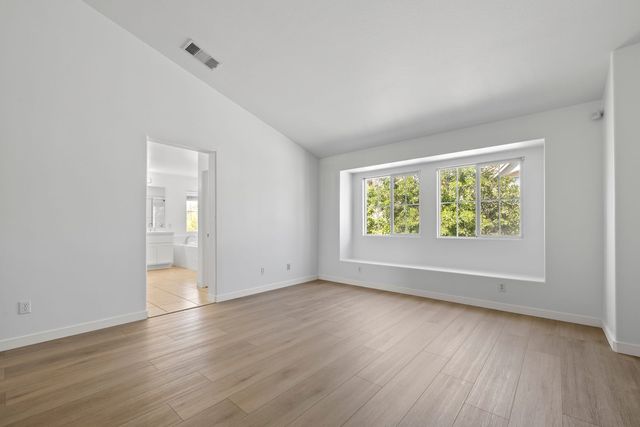
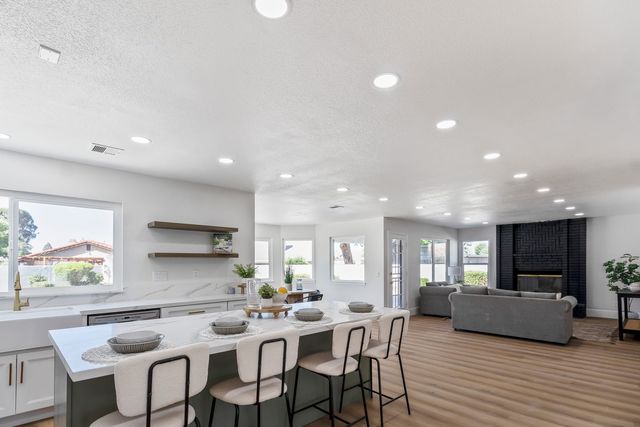
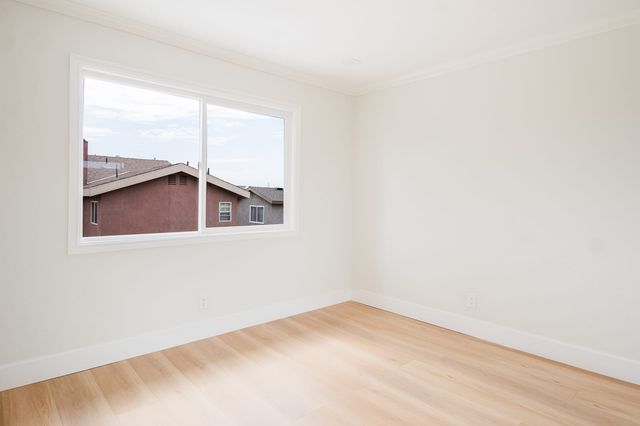
Lender guidelines set a floor. Fannie Mae's Selling Guide topic on report exhibits calls for "Clear, descriptive color photographs showing the front, back, and a street scene of the subject property," and says that at a minimum the report includes interior photographs of:
- the kitchen;
- all bathrooms;
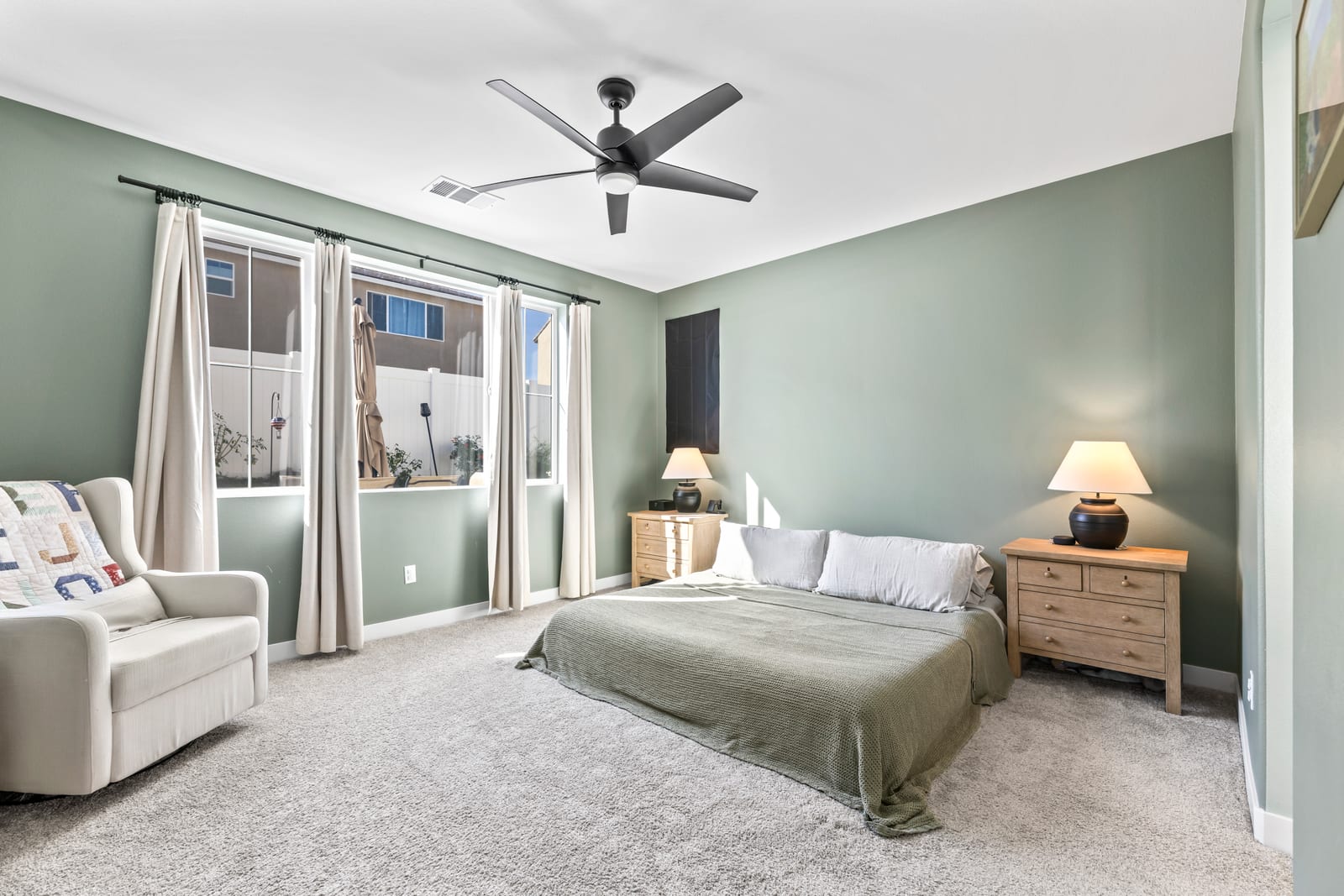
- the main living areas, "such as living room, family room, dining room, all bedrooms";
- below-grade areas, finished and unfinished;
- examples of physical deterioration, if present;
- examples of recent updates, such as remodeling, if present.
The same topic calls for a photograph of the front of each comparable sale. It also says lenders using UAD 3.6, the data standard behind the redesigned Uniform Residential Appraisal Report (URAR), follow a separate UAD 3.6 Policy Supplement. Freddie Mac's FAQ says the redesigned URAR is mandatory for reports submitted on or after November 2, 2026, so the lender's order states which rules an assignment follows.
Direct assignments, ordered by a trustee, an attorney or an owner rather than a lender, follow the scope of work, the type and extent of research and analysis the assignment requires, and that usually means the same kind of room-by-room record.
What is the camera not there for?
The appraiser photographs rooms, not belongings. The point of a bedroom photograph is the floor, the windows, the finishes and the condition, not what is on the dresser. Clutter is not a value factor; condition is.
That gives owners and tenants a simple, reasonable step before the visit: put away mail, bank statements, prescriptions, family photographs and anything with a name or an account number on it. It does not change the value, and it means the pictures in the file show the house and nothing else. If a room holds something that should not be photographed at all, say so when the visit is scheduled. The appraiser may be able to frame around it, or the report may state a limit on the scope of work, which a lender may or may not accept.
In a rented home, the tenant's possessions are in every frame. The owner arranges entry and notice, explained in tenants in place, and the same rule applies: rooms, not belongings.
Who sees the photographs?
The photographs travel with the report, so the question is who receives the report. The report names its client, whoever engaged the appraiser, and its intended users, the people entitled to rely on it. A lender's appraisal belongs to the lender's process; a report engaged by a trustee, an attorney or an owner goes to that client. In a divorce, a joint engagement can name both parties or both attorneys as intended users, so one report, photographs included, goes to everyone at once. The divorce appraisal page explains that arrangement.
USPAP, the Uniform Standards of Professional Appraisal Practice that every report here is prepared under, has a Confidentiality section within its Ethics Rule. The current edition is the 2024 edition, published by The Appraisal Foundation, and its text is sold rather than posted openly, so it is not quoted here. In general terms, the section limits whom an appraiser may share an assignment's confidential information and results with, and the client is the starting point of that list. That is why a neighbor, a listing agent or a buyer who is not the client or a named intended user should not expect the report or its pictures from the appraiser.
The photographs also stay in the workfile, the appraiser's own file of records for the assignment.
Can the homeowner get a copy?
On a mortgage, yes, through the lender. Regulation B, at 12 CFR 1002.14, says "A creditor shall provide an applicant a copy of all appraisals and other written valuations" for credit secured by a first lien on a dwelling, "promptly upon completion, or three business days prior to consummation," whichever is earlier, and that "A creditor shall not charge an applicant for providing a copy of appraisals." The Consumer Financial Protection Bureau's own explainer says the same in plain language.
The borrower is not the appraiser's client on a lender assignment, so the copy comes from the lender, not the appraiser. On a direct assignment, the owner or the trustee who engaged the report is the client and receives it, photographs included. If you think a report you received describes the house wrongly, the photographs are where to look first; how to challenge a low appraisal explains what a review can and cannot do.
Does a photo of a repair or a defect change the value?
The photograph does not; the condition does. A ceiling stain or a worn roof is recorded because a buyer would weigh it, and the picture lets the reader check that the report described it fairly. The appraiser does not diagnose the cause or estimate repair costs, which is a home inspector's or contractor's work, compared in appraisal vs. home inspection.
Next step
Questions about photographs, a tenant's privacy or a room to keep out of frame are settled on the scope call, before the visit. Read how an appraisal works here, then request an appraisal or call (909) 324-6122. The practice works in Los Angeles County and in San Bernardino County, where the San Bernardino County page lists the cities covered. The fee is set by the scope of the assignment and quoted before work begins, and it does not depend on the value.
Sources
- Fannie Mae Selling Guide, B4-1.2-01, Appraisal Report Forms and Exhibits (photograph requirements; UAD 3.6 Policy Supplement reference): https://selling-guide.fanniemae.com/sel/b4-1.2-01/appraisal-report-forms-and-exhibits (accessed November 6, 2026)
- Freddie Mac, Uniform Appraisal Dataset (UAD) 3.6 and Forms Redesign FAQ: https://sf.freddiemac.com/faqs/uad-and-forms-redesign (accessed November 6, 2026)
- Regulation B, 12 CFR 1002.14, Rules on providing appraisals and other valuations (Cornell Legal Information Institute copy): https://www.law.cornell.edu/cfr/text/12/1002.14 (accessed November 6, 2026)
- Consumer Financial Protection Bureau, Do I have the right to receive a copy of my home appraisal?: https://www.consumerfinance.gov/ask-cfpb/do-i-have-the-right-to-receive-a-copy-of-my-home-appraisal-en-192/ (accessed November 6, 2026)
- The Appraisal Foundation, Uniform Standards of Professional Appraisal Practice (USPAP), 2024 edition (product page; the Ethics Rule text is not posted openly): https://appraisalfoundation.org/imis/TAF/Standards/Appraisal_Standards/Uniform_Standards_of_Professional_Appraisal_Practice/TAF/USPAP.aspx (accessed November 6, 2026)
- California Bureau of Real Estate Appraisers, license lookup for Gordon Hall, BREA No. AR003877: https://www2.brea.ca.gov/breasearch/faces/party/view.xhtml?id=23601 (accessed November 6, 2026)
Gordon Hall, California Certified Residential Real Estate Appraiser, BREA No. AR003877 (lookup: https://www2.brea.ca.gov/breasearch/faces/party/view.xhtml?id=23601). Reports are prepared in conformity with the Uniform Standards of Professional Appraisal Practice (USPAP). Nothing here is legal or tax advice; admissibility is always the court's decision.
Frequently asked questions
Why does the appraiser take pictures of every room?
The report is read by people who never visited the house, such as an underwriter, a mediator or an appeals board, and the photographs let them check the description of finishes and condition against the house. Fannie Mae's Selling Guide sets a minimum that includes the kitchen, all bathrooms, the main living areas and all bedrooms.
Should I put personal things away before the appraiser photographs the house?
It is a reasonable step. Put away mail, statements, prescriptions, family photographs and anything with a name or account number on it. It does not change the value, since clutter is not a value factor and condition is; it simply keeps the pictures to the house.
Will my appraisal photos be shared with anyone?
The photographs travel with the report, which goes to its client and the intended users named in it, the people entitled to rely on it. USPAP's Ethics Rule has a Confidentiality section that limits whom an appraiser may share an assignment's confidential information and results with.
How do I get a copy of the appraisal and its photos for my mortgage?
From the lender. Regulation B, 12 CFR 1002.14, requires a creditor to provide the applicant a copy of all appraisals and other written valuations for credit secured by a first lien on a dwelling, without charging for the copy. On a direct assignment, the owner or trustee who engaged the appraiser receives the report.