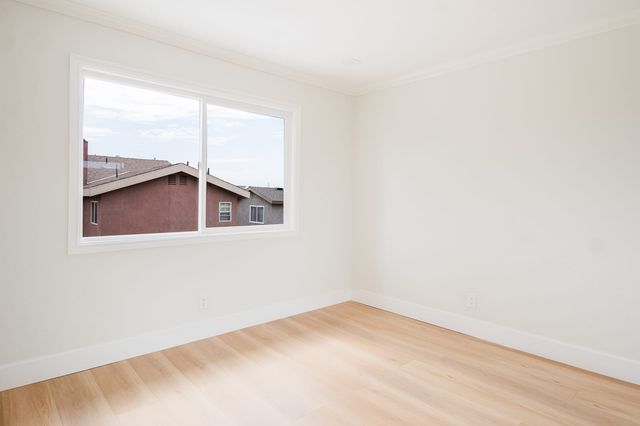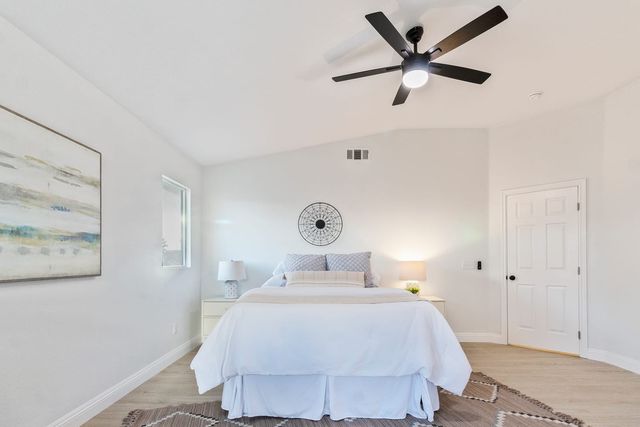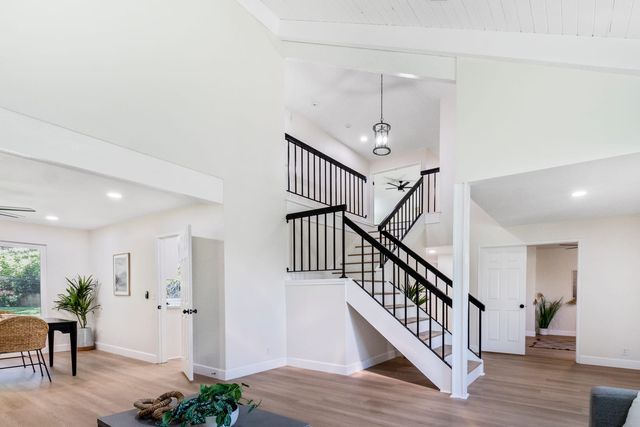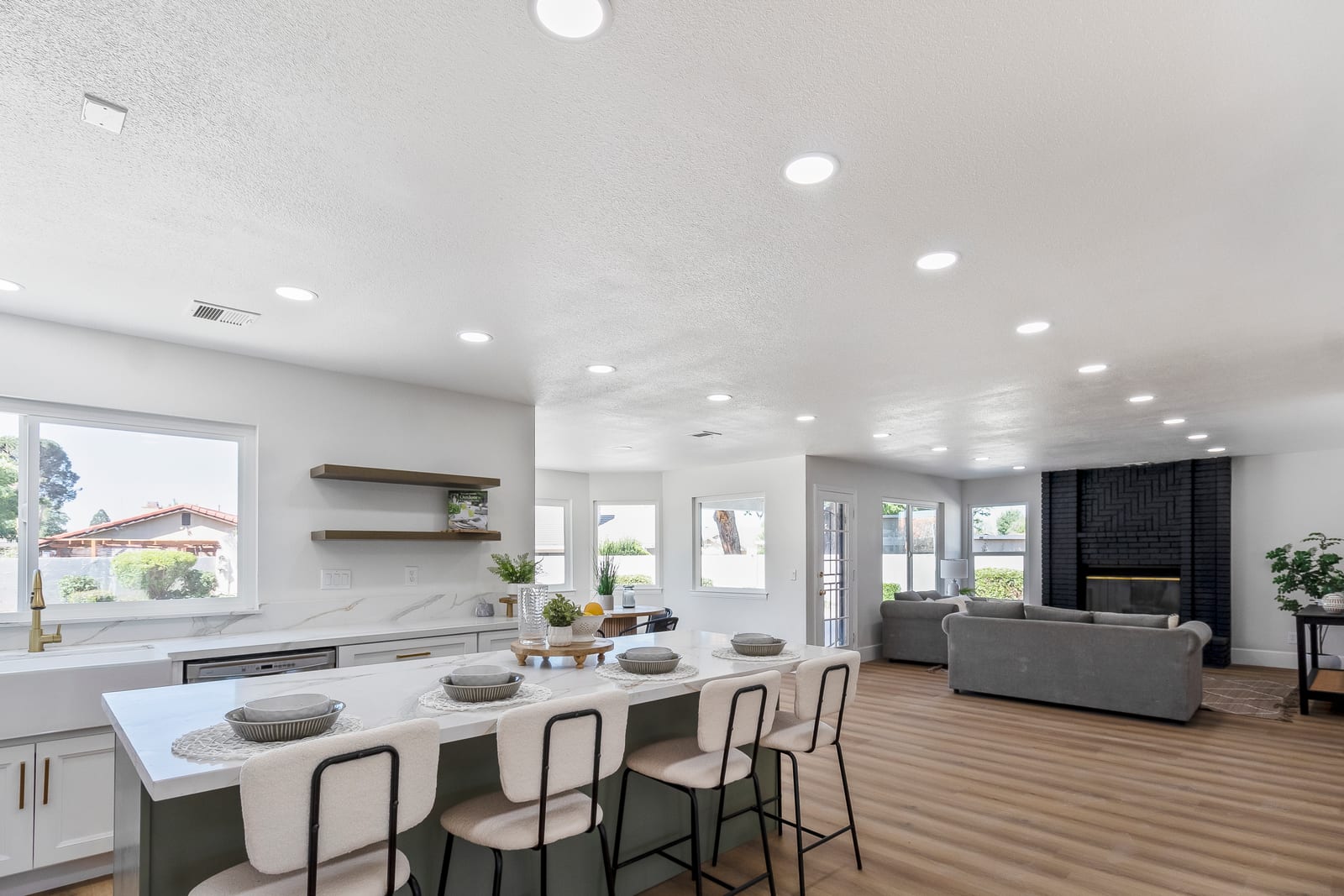
An appraisal inspection in an occupied rental is scheduled through the owner, who arranges entry with the tenant under California's landlord-entry statute, Civil Code section 1954. The appraiser still needs to see and measure every unit, so the visit is set for a time the tenant has been told about in writing, inside normal business hours, unless the tenant agrees to something else at the door. How the statute applies to a particular lease and visit is a question for the landlord's attorney, not the appraiser.
This article is for owners of duplexes, rear units and rented houses across the coverage area who have an appraisal coming and a tenant living in the property. It sits in the How a Home Appraisal Works series, which starts with what happens on appraisal inspection day.
Who arranges the visit when a tenant lives there?
The owner does. The appraiser's client is whoever engaged the report, a lender, a trustee, an attorney or the owner, and the appraiser has no lease with the tenant and no right of entry of their own. Mr. Cali Appraisals lists "access to every unit, with tenant notice arranged by the owner" among what it needs for a multi-family 2-4 unit appraisal, and the same holds for a single rented house.
On the scope call, the first conversation before anything is scheduled, three facts about occupancy get settled: which units are rented, who will open each door, and how much notice each tenant has been given. The scope of work, the type and extent of research and analysis the assignment requires, is written around those answers.
What does Civil Code section 1954 say about entry?
Section 1954 limits when a landlord may enter a dwelling unit. It allows entry in an emergency, after the tenant has abandoned or surrendered the unit, under a court order, and for listed purposes that include repairs and agreed services and to "exhibit the dwelling unit to prospective or actual purchasers, mortgagees, tenants, workers, or contractors." The word "appraiser" does not appear in the section, so whether a given appraisal visit fits one of those purposes is exactly the kind of question to put to the landlord's attorney.
The notice rules are more concrete. Except where the statute says otherwise, the landlord gives the tenant reasonable written notice of the intent to enter, stating the date, the approximate time and the purpose, and the entry happens during normal business hours. The section adds: "Twenty-four hours shall be presumed to be reasonable notice in absence of evidence to the contrary." Notice is not required if the tenant is present and consents at the time of entry, and the landlord may not use the right of access to harass a tenant.
Section 1954 also says how mailed notice is treated and allows oral notice or oral agreement in a few narrow cases, and a lease or a city rule can add terms of its own. Nothing here is legal advice; the landlord's attorney decides what a particular lease, city and visit require.
How should the notice and the appointment line up?
The practical sequence is simple, and it avoids a wasted trip for everyone.
- Confirm the appointment window first. The appraiser offers a date and a window during business hours. The owner checks it against the lease and any city rule.
- Give each tenant written notice with the date, the approximate time and the purpose, a property appraisal. How far ahead to send it, and by what method, is for the owner and the owner's attorney to settle under section 1954.
- Arrange who opens each unit. The owner, a property manager or the tenant. Someone has to be able to reach every room, the water heater and the electrical panel.
- Tell the appraiser about pets, alarm codes and shift workers before the visit, so a sleeping tenant is not surprised by a knock.
If a tenant asks to move the time, the owner reschedules and re-notices.
What happens if a unit cannot be entered?
The report says so. An appraisal of a fourplex where one unit was not seen is a different scope of work from one where every unit was walked, and the report states the limits on access plainly. Depending on the intended use, what the report will be used for, the appraiser may reschedule that unit, or may rely on an extraordinary assumption, an assumption about uncertain facts that, if false, could change the result, such as assuming the unseen unit matches its twin next door.
A lender may not accept that assumption for a loan. The client and its guidelines decide, which is why every door open on the first visit matters most in a tenant-occupied file.
Does the tenant's furniture or housekeeping affect the appraisal?
No. Clutter is not a value factor; condition is. A tenant's boxes or dishes do not appear in the analysis. What gets recorded is what a buyer would weigh: finishes, the kitchen and bath, signs of water damage, and how each unit was built and permitted. The tenant does not need to clean or rearrange anything, only to let the appraiser reach every room.
The appraiser photographs each unit for the report. Tenants sometimes ask what those photographs show and who sees them, a question covered in photographs during the inspection and USPAP confidentiality.
What does the appraiser need from the owner about the leases?
For income property, the rent matters as well as the building. The appraiser asks for current leases or a rent roll and the operating expenses. Income is measured against signed leases, not listing asks, and a rent schedule, the documented comparison of the property's rents with similar rentals nearby, draws on units of the same size and era in the same part of town.
For Fannie Mae and Freddie Mac loans, the redesigned Uniform Residential Appraisal Report (URAR) is mandatory for reports submitted on or after November 2, 2026. Freddie Mac's FAQ lists the separate 1007 rent schedule among the retired forms and says market rent is now reported in the URAR's Rental Information section. The lender's order says which format an assignment uses.
Where a lease or a local rent rule, such as Pomona's, limits what the current tenant pays, the report notes that as a condition of the income, not as legal advice. The method side of this is covered in appraising a duplex to fourplex.
Where this comes up in the coverage area
These are the kinds of assignments that come in with tenants in place:
- Older duplexes and small buildings in Pomona around downtown, Holt Avenue and the Fairplex, where every unit is entered and legal unit count is checked against records. The Pomona area page describes that stock.
- Front houses with rear units in central Upland and in Montclair near the Transit Center, where the rear unit's tenant and the front tenant may need separate notices.
Every unit is seen and measured, so a multi-family visit runs longer than a single-family one. The inspection is 30 to 60 minutes for a standard single-family home, longer for hillside, custom, multi-family or homes with additions; how long the inspection takes explains why.
Next step
If you own a rented property in Los Angeles or San Bernardino County and need it appraised, read how an appraisal works here, then request an appraisal or call (909) 324-6122. The fee is set by the scope of the assignment and quoted before work begins, and it does not depend on the value. The occupancy questions are settled on the scope call, before any notice goes out.
Sources
- California Civil Code section 1954, landlord entry of a dwelling unit (read on the california.public.law copy; official text at leginfo.legislature.ca.gov): https://california.public.law/codes/civil_code_section_1954 (accessed November 6, 2026)
- Freddie Mac, Uniform Appraisal Dataset (UAD) 3.6 and Forms Redesign FAQ: https://sf.freddiemac.com/faqs/uad-and-forms-redesign (accessed November 6, 2026)
- The Appraisal Foundation, Uniform Standards of Professional Appraisal Practice (USPAP), 2024 edition: https://appraisalfoundation.org/imis/TAF/Standards/Appraisal_Standards/Uniform_Standards_of_Professional_Appraisal_Practice/TAF/USPAP.aspx (accessed November 6, 2026)
- California Bureau of Real Estate Appraisers, license lookup for Gordon Hall, BREA No. AR003877: https://www2.brea.ca.gov/breasearch/faces/party/view.xhtml?id=23601 (accessed November 6, 2026)
Gordon Hall, California Certified Residential Real Estate Appraiser, BREA No. AR003877 (lookup: https://www2.brea.ca.gov/breasearch/faces/party/view.xhtml?id=23601). Reports are prepared in conformity with the Uniform Standards of Professional Appraisal Practice (USPAP). Nothing here is legal or tax advice; admissibility is always the court's decision.
Frequently asked questions
Can the appraiser contact my tenant directly to set up the inspection?
The appraiser schedules through the owner or the owner's property manager, who arranges entry with the tenant. The appraiser has no lease with the tenant and no right of entry of their own, so the owner gives the notice and decides who opens each unit.
How much notice does a California tenant get before an appraisal visit?
Civil Code section 1954 calls for reasonable written notice stating the date, approximate time and purpose of entry, during normal business hours, and says 24 hours is presumed reasonable in the absence of evidence to the contrary. The section does not name appraisers, so the landlord's attorney should confirm how it applies to a particular lease and visit. Nothing here is legal advice.
Does my tenant need to clean before the appraiser comes?
No. Clutter is not a value factor; condition is. The appraiser records finishes, the kitchen and bath, signs of water damage and how each unit was built and permitted. The only request is that every room, the water heater and the electrical panel can be reached.
What if one unit in my duplex or fourplex cannot be entered?
The report states the limit on access. The appraiser may reschedule that unit, or, where the client allows it, rely on an extraordinary assumption, an assumption about uncertain facts that, if false, could change the result. A lender may not accept that assumption for a loan, so having every unit open on the first visit matters.