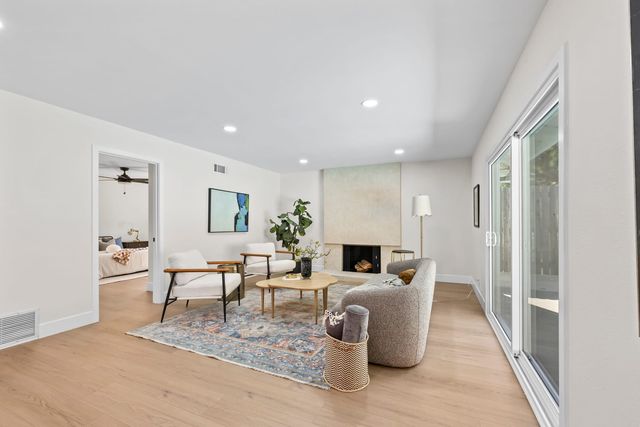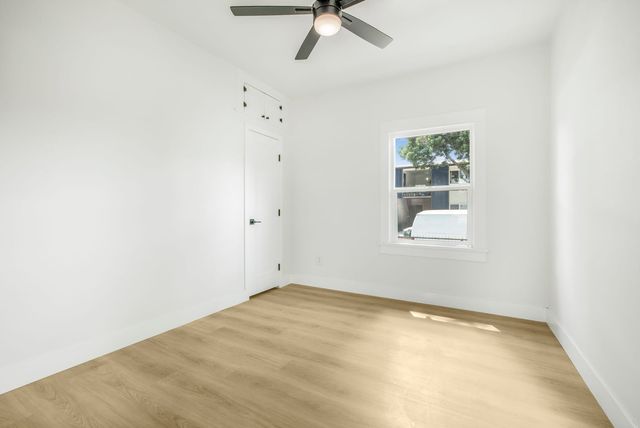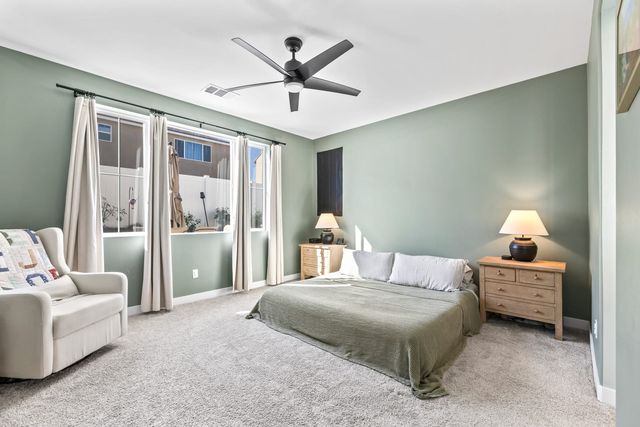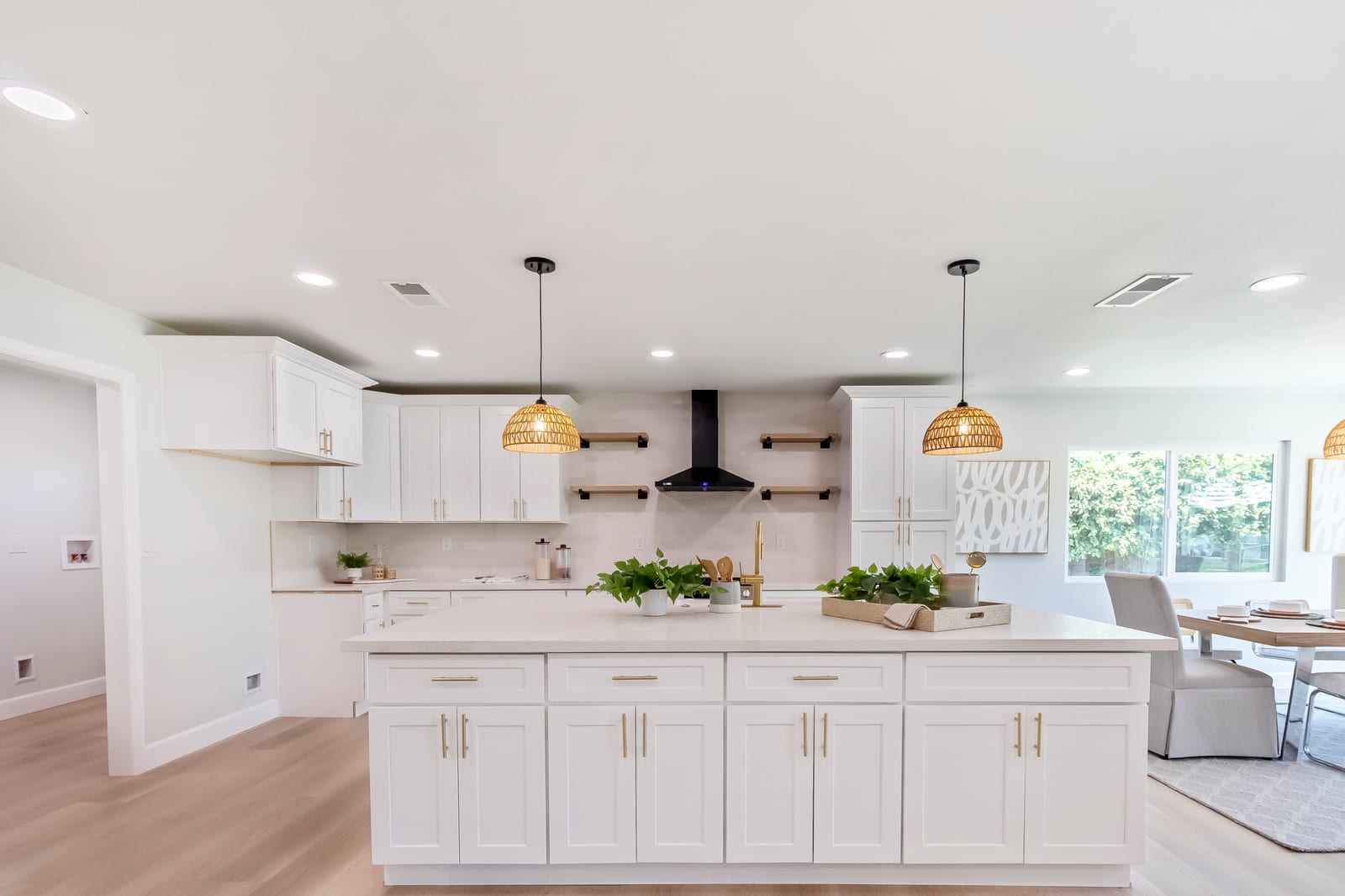
The homeowner does not have to be present at the appraisal inspection, but someone who can open every door does. Being there has one real advantage: the owner can answer factual questions on the spot, such as when the roof was replaced or whether the back room was permitted, and hand over permits and a list of improvements. What being present does not do is change how the house is measured or valued, and nothing about value is discussed at the house.
This article is part of the How a Home Appraisal Works series. The full sequence of the visit is in what happens on appraisal inspection day in Claremont; this one answers a narrower question that comes up on almost every scheduling call.
Who actually needs to be there?
A person who can give access to every room, the garage, the attic hatch, the electrical panel, the water heater and the heating and cooling equipment, plus any side gate, shed, guest house or ADU. That can be the owner, a family member, a real estate agent or a property manager. The appraiser confirms who it will be when the inspection is scheduled, along with gate codes and pets.
What matters is keys and knowledge, not title. A relative who has never been in the garage cannot open the padlocked cabinet that hides the panel. If the owner cannot attend, the person who does should have every key and, ideally, the documents described below.
What the owner can usefully do while present
Most of the visit is the appraiser working: measuring the outside, photographing rooms and noting condition. The owner does not need to follow from room to room. The useful contributions are short and factual.
- Answer dates. When the roof, windows, water heater or HVAC were replaced, when the kitchen or baths were redone. Month and year is enough.
- Say what was permitted. An enclosed patio, a garage conversion or a rear addition is described differently depending on its permit history, and the owner often knows where the paperwork is.
- Point out what is easy to miss. A finished room over the garage, a second water heater, a crawl space access behind a closet.
- Hand over documents. Permits, plans, a survey and a written list of improvements with dates. What belongs on that list is covered in can a Claremont homeowner give the appraiser a list of upgrades.
An owner who has sales in mind can pass those along too. Each one is checked against records and weighed on its merits alongside the appraiser's own research.
What does not happen, whoever is present
The appraiser does not discuss value at the house, because no analysis has been done yet; the comparable research comes after the visit. The appraiser also does not test systems or diagnose defects, which is a home inspector's work, explained in appraisal vs. home inspection.
Being present is also not a chance to argue for a number. The appraisal is an independent opinion of market value as of a stated date, and the appraiser is independent of every party, including the one who pays. For a loan on a principal dwelling, the federal valuation rule in Regulation Z, 12 CFR 1026.42, forbids certain parties to the transaction from trying to cause a value to be based on anything other than the appraiser's independent judgment, and it lists "asking a person that prepares a valuation to consider additional, appropriate property information" as an action that does not violate the rule. Facts are welcome; pressure is not. The practice's own statement is on the appraisal independence page, and the line between helpful facts and things an appraiser cannot weigh is drawn in what not to tell an appraiser.
How the answer changes with the kind of assignment
Who orders the appraisal shapes who is likely to be at the door. These are the kinds of assignments that come in.
A refinance or home equity loan
The lender is the client and the intended user, the party entitled to rely on the report, but the owner lives in the house and usually lets the appraiser in. Being there makes it easy to answer questions about updates and permits. The borrower receives a copy of the report through the lender's process.
A purchase
The seller still controls the house, so the seller or the listing agent usually provides access. A buyer may ask to attend; whether that happens is for the parties and their agents to arrange, not the appraiser.
A direct assignment: estate, divorce, tax appeal or pre-listing
When an owner, trustee, attorney or CPA engages the appraiser directly, that person is the client, and the intended use, what the report will be used for, is written into the engagement. In an estate the executor or trustee arranges entry; how that works in a vacant house is in appraisal inspection for an estate. In a divorce, where one spouse may still live in the home, the scope call settles who lets the appraiser in and whether both parties are told the time; see divorce appraisal.
La Verne examples: where an owner's answers help most
La Verne shows why the owner's knowledge matters more on some houses than others. In the early-1900s blocks of Old Town around the University of La Verne, a bungalow may carry decades of changes: a porch enclosed, a bath added, a garage converted. The owner who knows which work was permitted, and when, spares the report guesswork. On the foothill lots toward Marshall Canyon, with horse-keeping parcels and view homes, outbuildings, corrals and grade make the visit more involved, and an owner can say which structures were built with permits. In the postwar tracts across the middle of town, the useful facts are usually what has changed from the original floor plan. The La Verne area page describes those pockets.
Practical points for inspection day
- Secure pets, or tell the appraiser where they will be.
- Leave the lights working and the side gates unlocked.
- Have the documents in one folder, so they can be handed over or photographed.
- If no one can attend at the scheduled time, reschedule rather than leave a door unlocked.
There is no need to stage or deep-clean; clutter is not a value factor, condition is.
Next step
The how it works page sets out the four steps: the scope call, the inspection, the research and the delivered report. To schedule a visit and settle who will be there, use the order form or call (909) 324-6122. The fee is set by the scope of the assignment and quoted before work begins, and it does not depend on the value.
Sources
- Regulation Z, 12 CFR 1026.42, Valuation independence, via Cornell Legal Information Institute: https://www.law.cornell.edu/cfr/text/12/1026.42 (accessed November 6, 2026)
- California Bureau of Real Estate Appraisers, license lookup for Gordon Hall, BREA No. AR003877: https://www2.brea.ca.gov/breasearch/faces/party/view.xhtml?id=23601 (accessed November 6, 2026)
Gordon Hall, California Certified Residential Real Estate Appraiser, BREA No. AR003877 (lookup: https://www2.brea.ca.gov/breasearch/faces/party/view.xhtml?id=23601). Reports are prepared in conformity with the Uniform Standards of Professional Appraisal Practice (USPAP). Nothing here is legal or tax advice; admissibility is always the court's decision.
Frequently asked questions
Do I have to be home for the appraisal inspection?
No. Someone who can open every room, the garage, the attic hatch, side gates and any shed or ADU needs to be there. That can be the owner, a family member, an agent or a property manager, as long as they have every key.
Can I follow the appraiser around during the inspection?
You can, but there is no need to. The most useful thing an owner can do is answer factual questions, such as when the roof or kitchen was redone and whether an addition was permitted, and hand over permits and a list of improvements.
Will the appraiser tell me the value if I am there?
No. Value is not discussed at the house, because the comparable sales research and analysis happen after the visit. The opinion of value appears in the written report, whoever was present at the inspection.
Can I give the appraiser information about my house during a lender appraisal?
Yes, factual information. For a loan on a principal dwelling, Regulation Z at 12 CFR 1026.42 lists asking the appraiser to consider additional, appropriate property information as an action that does not violate the valuation-independence rule. Pressing for a particular value is a different thing, and the appraiser's judgment stays independent of every party.