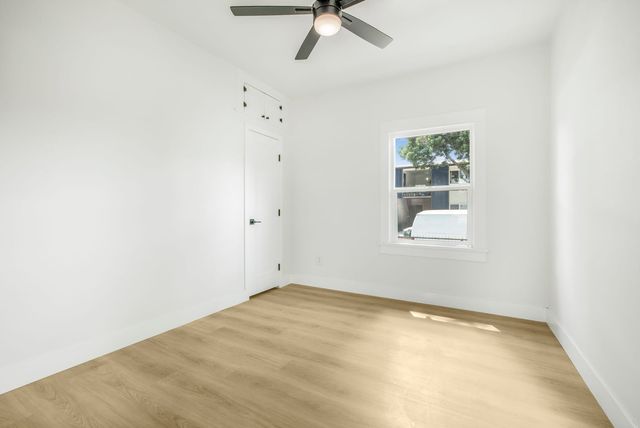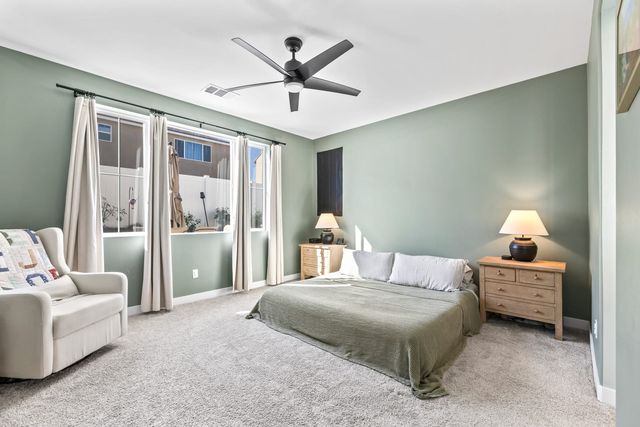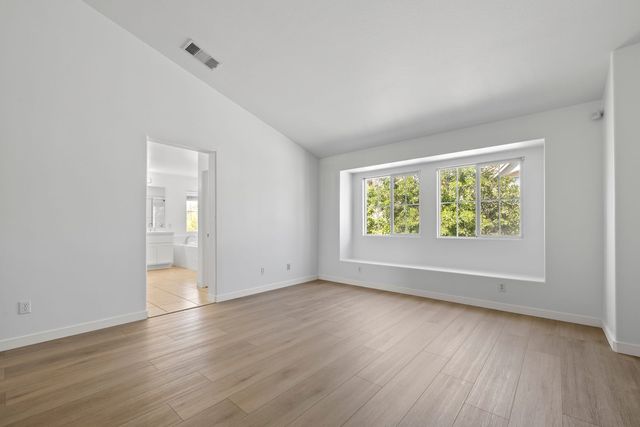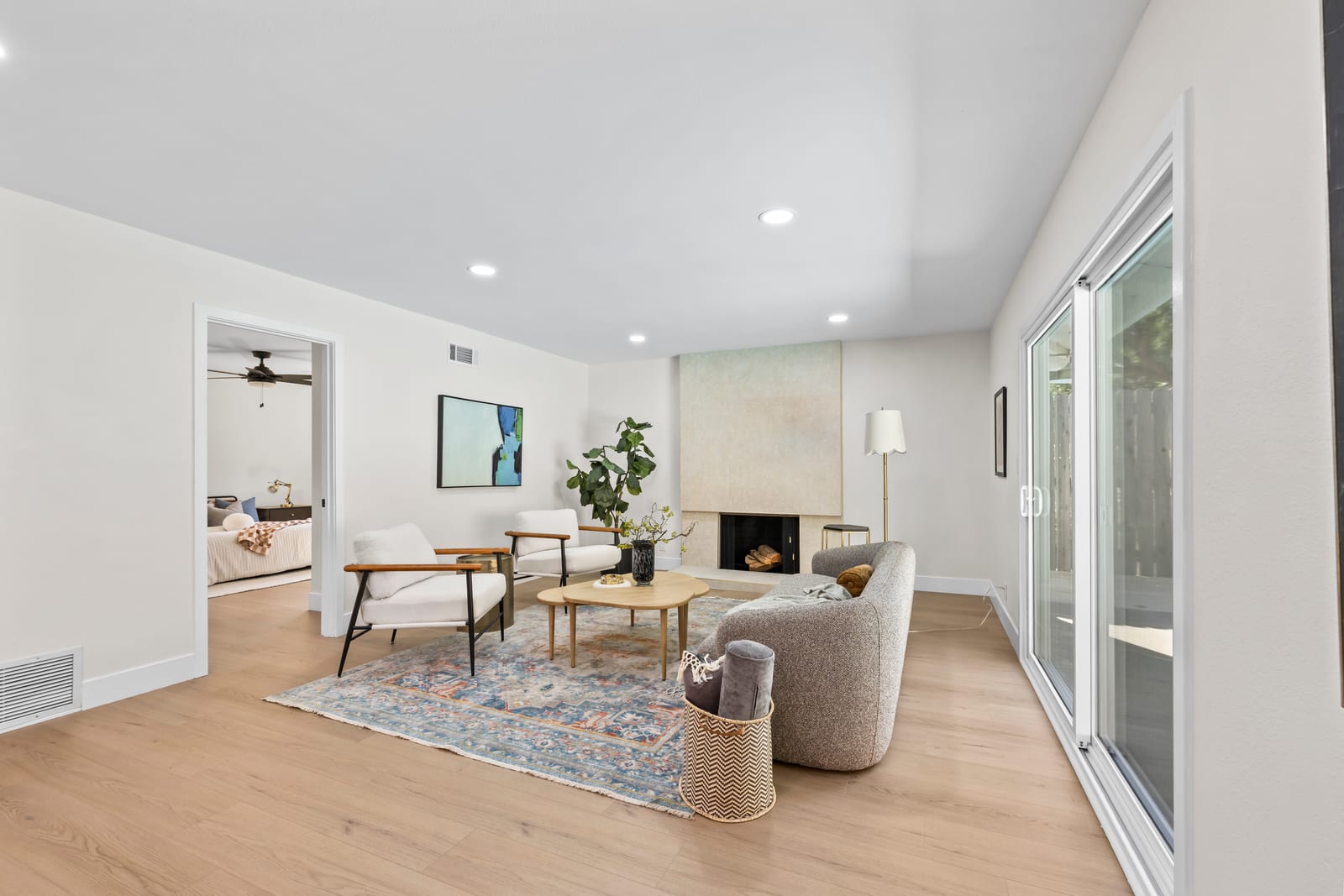
An appraisal inspection for an estate follows the same steps as any other inspection: the appraiser measures the outside, photographs each room and records condition. What changes is who opens the door and what state the house is in. The person with authority over the property, usually the executor, the administrator or the successor trustee, arranges entry, keys and working lights, and the belongings can stay where they are. When the value is needed as of the date of death, the report also explains how what was seen today relates to that earlier date.
This article is for the family member, executor, trustee or attorney who has to get an appraiser into a house that has been closed up since a death. It sits in the How a Home Appraisal Works series, which starts with what happens on appraisal inspection day in Claremont.
Who can let the appraiser into the house?
The person who has legal control of the property. In a probate estate, California Probate Code section 9650 says the personal representative "has the right to, and shall take possession or control of, all the property of the decedent," and must take reasonably necessary steps to manage, protect and preserve it. When the house is held in a trust, Probate Code section 16006 gives the trustee a duty to "take reasonable steps under the circumstances to take and keep control of" the trust property and to preserve it.
In practice that person either attends or names someone who will: a sibling with a key, a neighbor who has been checking on the house, or the estate's attorney. The scope call settles it before anything is scheduled. The appraiser asks who the client is, who the intended users are, the people entitled to rely on the report, and who will provide access on inspection day. If two heirs disagree about entry, that is a question for the attorney, not the appraiser. Nothing here is legal advice.
Before the visit: checking a house that has been closed up
A house left empty for weeks or months raises practical problems an occupied one does not. A short walk-through by whoever holds the keys, a day or two before the inspection, avoids most of them.
- Power on. Rooms need light to be photographed, and the electrical panel, water heater and heating and cooling equipment need to be seen. If the utilities were shut off, say so on the scope call.
- Every key. Front door, side gates, the garage, any shed or rear unit, and the code for an alarm or a garage door keypad. A padlocked side gate or a shed nobody has opened in a long time is easy to forget.
- The attic hatch and crawl space reachable. Not emptied: reachable.
- Safety. Mention anything the appraiser should know before walking in: a soft floor, a broken step, a room with a leak, or a pool without a working gate.
The general preparation list is in how to prepare for a home appraisal in Claremont. For an estate, the items above come first.
Do the belongings need to be cleared first?
No. Furniture, boxes and a lifetime of possessions are not a value factor; condition is. An appraiser can measure and photograph a full house as long as every room, the garage and the equipment can be reached without moving heavy furniture. There is no need to hold the inspection back until the house is cleared.
Two things are worth doing. Put away personal papers, mail, medications and photographs, because each room is photographed for the report; how those photographs are handled is covered in photographs during the inspection and USPAP confidentiality. And if a cleanout or repairs are already planned, tell the appraiser before they start, because the work changes the house that will be observed.
What the appraiser records in a vacant home
The report states that the property was vacant at inspection. Beyond that, the appraiser records what can be seen, the same as in any house, and does not test systems or diagnose defects.
Estate houses here have often been held for decades. A Craftsman or Spanish Colonial Revival house near the Village, a postwar ranch house, or a home in Pomona's Lincoln Park, Wilton Heights or Hacienda Park historic districts may reach an estate with original systems, an enclosed porch, a back room added without a permit, or a garage converted long ago. The appraiser measures what exists, separates original construction from later work, and asks what was permitted. A house that has stood empty can also show its own signs: a water heater shut off, a ceiling stain from a slow leak, a yard gone dry. Each is noted as observed.
This is also why papers matter more than tidying. Permits, plans, old repair invoices and a list of known work with rough dates let the appraiser describe the house accurately instead of guessing at what was done and when.
Today's inspection and a value as of the date of death
Many estate assignments carry a retrospective effective date: the effective date is the date the opinion of value applies to, and a retrospective appraisal is one whose effective date is in the past, often the date of death. The inspection still happens today, so the appraiser has to account for anything that changed in between.
If nothing has changed, today's observations describe the house as it stood. If something has, such as a cleanout that removed a damaged carpet, a new roof, or damage from a leak during the vacancy, the report says which condition the value reflects and what evidence supports it. Photos from around the date of death, old listing records, permits and repair invoices all help. Where a fact cannot be confirmed, the report may rest on an extraordinary assumption, an assumption about uncertain facts that, if false, could change the result, and it says so plainly. The value-date side of this is explained in date-of-death appraisals explained plainly.
The appraisal is separate from the probate referee's inventory valuation, which is a court-appointed role. An independent report can sit alongside it for the executor, the CPA or an heir buyout, and your CPA or attorney decides how the value is used.
When the house cannot be entered
Sometimes the house has already sold, an occupant will not allow entry, or the property is not safe to walk. An appraisal can still be developed in those cases, but the scope of work, the type and extent of research and analysis, changes, and the report states the limits on access and the assumptions they required. How that works is covered in exterior-only and desktop assignments.
Which county, and which sales
Claremont, La Verne and Pomona estates hold property assessed by the Los Angeles County Assessor; a house in Upland, Montclair, Rancho Cucamonga or Chino sits with San Bernardino County. The inspection is the same on either side of the line. The comparable sales are chosen from the market the house actually competes in, and the Pomona area page shows how the older districts there behave as their own markets.
Next step
The how it works page lays out the sequence from scope call to delivered report. For an estate, the estate and date-of-death appraisal page lists what helps, and a trust-held house is covered on the trust and fiduciary appraisal page. To schedule an inspection, send the address, the date of death and who will provide access through the order form, or call (909) 324-6122. The fee is set by the scope of the assignment and quoted before work begins, and it does not depend on the value.
Sources
- California Probate Code section 9650 (possession and control of the decedent's property), via Public.Law: https://california.public.law/codes/probate_code_section_9650 (accessed November 6, 2026)
- California Probate Code section 16006 (trustee's duty to take control of and preserve trust property), via Public.Law: https://california.public.law/codes/probate_code_section_16006 (accessed November 6, 2026)
- California Bureau of Real Estate Appraisers, license lookup for Gordon Hall, BREA No. AR003877: https://www2.brea.ca.gov/breasearch/faces/party/view.xhtml?id=23601 (accessed November 6, 2026)
Gordon Hall, California Certified Residential Real Estate Appraiser, BREA No. AR003877 (lookup: https://www2.brea.ca.gov/breasearch/faces/party/view.xhtml?id=23601). Reports are prepared in conformity with the Uniform Standards of Professional Appraisal Practice (USPAP). Nothing here is legal or tax advice; admissibility is always the court's decision.
Frequently asked questions
Who can let an appraiser into a house after the owner dies?
The person with legal control of the property, usually the executor or administrator in a probate estate or the successor trustee when the house is in a trust, or someone that person designates. California Probate Code section 9650 gives a personal representative the right to take possession or control of the decedent's property. Your attorney confirms who holds that authority in your matter.
Do we have to empty the house before the appraisal inspection?
No. Furniture and belongings are not a value factor; condition is. The appraiser needs every room, the garage, the attic hatch and the equipment such as the electrical panel and water heater reachable, and working lights. Personal papers and medications are worth putting away because rooms are photographed.
The utilities were shut off at the vacant house. Is that a problem?
Say so when the inspection is scheduled. Rooms need light to be photographed and equipment needs to be seen. If power cannot be restored before the visit, the appraiser records what could and could not be observed, and the report states the limits of the inspection.
How can an inspection today support a value as of the date of death?
The report carries a retrospective effective date, the date in the past the value applies to. The appraiser inspects today and accounts for changes since the death, such as a cleanout, repairs or damage during the vacancy, using photos, listing records, permits and invoices from around that date. Any assumption about uncertain facts is stated plainly in the report.