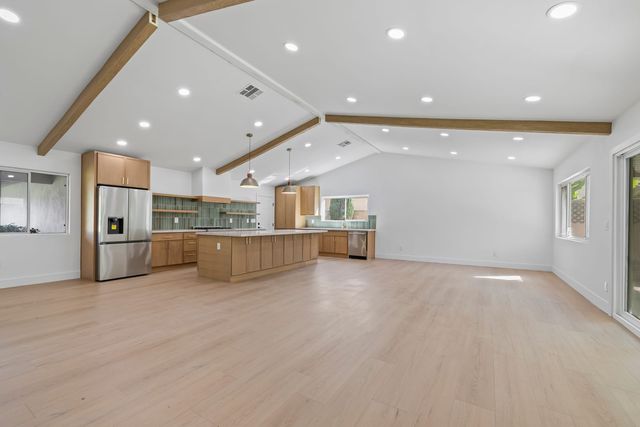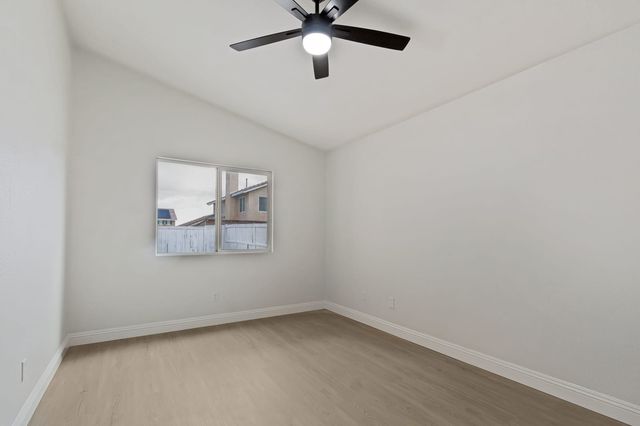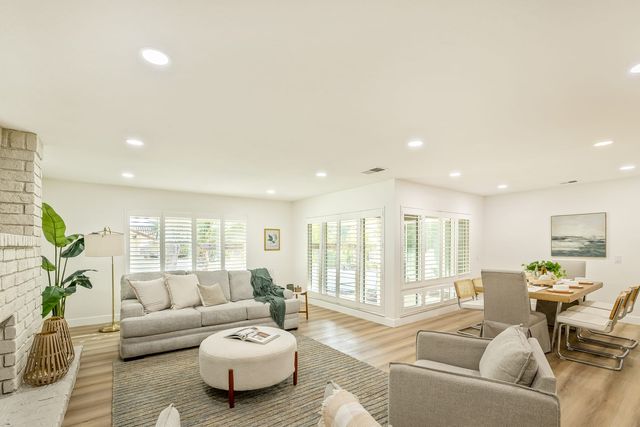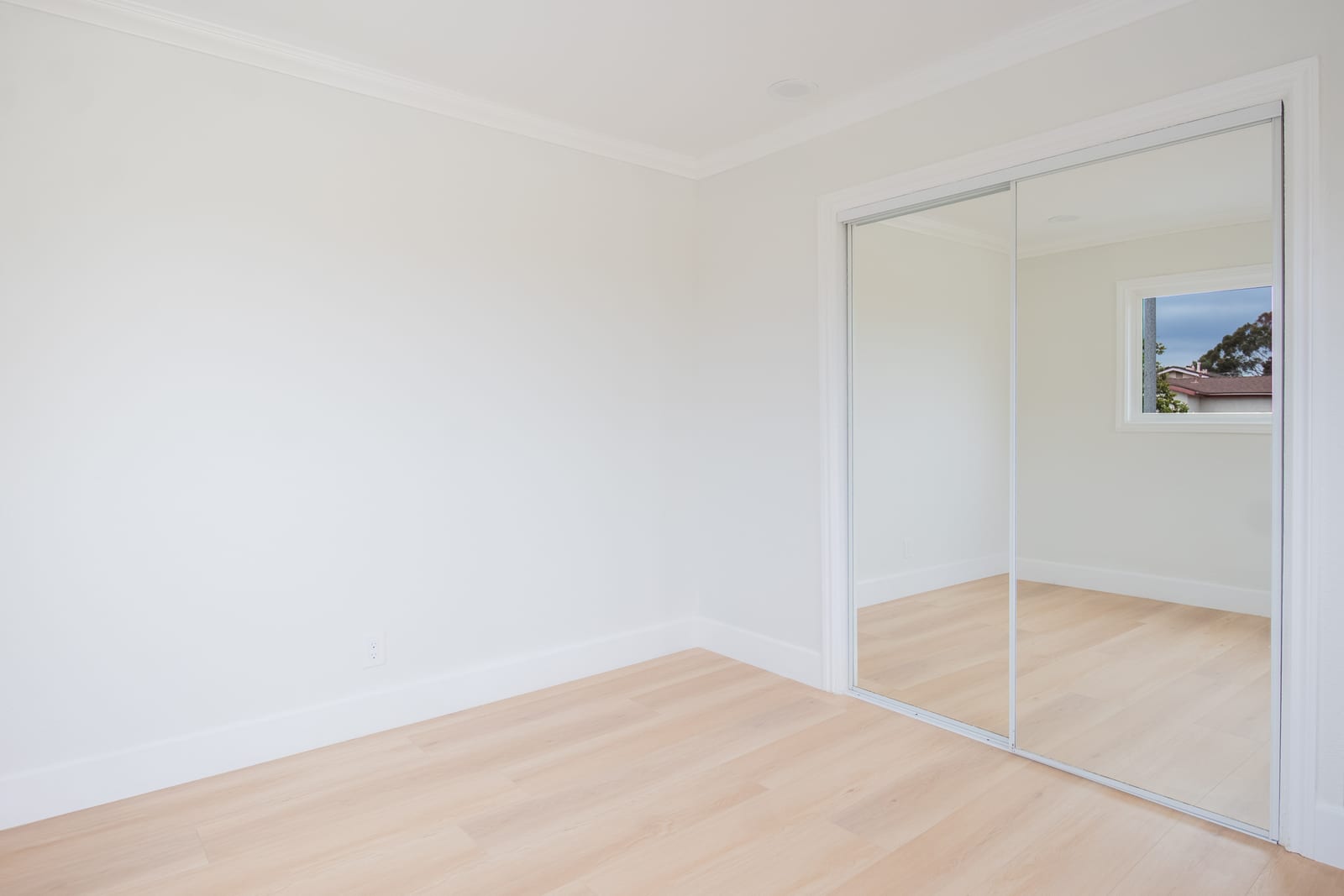
A Northeast Claremont home appraisal compares a house in one of the city's newer tracts, such as Stone Canyon Preserve, with sales from its own development first, plan to plan where the builder's designs repeat. The appraiser then records what the tract does not standardize: lot position, what lies behind the rear fence, the outlook, owner changes since the house was built, and its condition. Any sale from outside the tract has to earn its place in writing, and the report says which sales carried the conclusion.
This article covers the assignment. Whether open space next door shows up in sales evidence is the subject of Northeast Claremont home values near Stone Canyon Preserve and the Wilderness Park.
What sets Northeast Claremont apart?
Its age and its neighbor. Wikipedia's Claremont article describes Stone Canyon Preserve as one of the final residential tract developments in the north of the city, with construction beginning in 2003. The same article notes that the citrus groves and open space that once dominated the city's northern portion have been replaced by residential developments of large homes. The City of Claremont lists the Claremont Hills Wilderness Park at N. Mills Avenue and Mt. Baldy Road, with more than 20 miles of trails.
So the pocket is younger than the pre-1940 blocks near the Colleges and the postwar ranch tracts north of Foothill, and it sits close to the foothill open space of the Wilderness Park. The Claremont area page places it among the other pockets in ZIP code 91711.
How is the neighborhood described in the report?
In factual terms, with boundaries a reader can check. For lender work, Fannie Mae's Selling Guide asks for neighborhood boundaries stated by north, south, east and west, not a map alone; it allows the description to cover structure types, architectural styles, typical site size and street patterns; and it requires market conditions in factual, specific terms, with any trend based on at least 12 months of data. The appraiser decides whether the subject's neighborhood is the tract itself or a wider foothill area, and says why.
The same section bars any reference to a protected class of owners or occupants. A neighborhood is described by its houses, lots and streets, never by who lives there.
What does the inspection record in a newer tract?
The inspection is 30 to 60 minutes for a standard single-family home, longer for hillside, custom, multi-family or homes with additions. In a tract the appraiser starts by identifying the plan, then looks for what has changed from it.
- Living area, measured. Gross living area, the finished, heated living space above grade, is measured at the house under the ANSI Z765-2021 standard the Guide requires for lender work, not copied from a builder brochure, a listing or the assessor record.
- Owner changes. Added rooms, finished space, outdoor kitchens or pools, with permit status checked for each.
- Condition and quality. The Guide's standardized ratings, C1 to C6 for condition and Q1 to Q6 for quality, are assigned to the subject and, on an absolute basis, to each comparable.
- The site and what adjoins it. Lot slope and usable yard, the rear boundary, the outlook from the main rooms and the street in front are photographed. The Guide requires the appraiser to consider the present or anticipated use of adjoining property that may adversely affect value or marketability, so a nearby trail, parking area or park boundary is noted.
- Any association. The appraiser asks whether the house belongs to an association and records what it covers.
Which sales qualify as comparables?
A comparable sale is a closed sale of a property similar enough that a buyer of the subject would have weighed it. The Guide says sales from the same market area, including the subdivision, should be used when possible, and that sales closed within the last 12 months should be used, with older ones explained. It has a separate rule for new or recently converted subdivisions: at least one settled sale from inside and one from outside. For an established tract, the general preference for same-subdivision sales is what governs.
The search then widens in order: the same tract and plan, other Northeast Claremont streets, the hillside pockets of Claraboya and Padua Hills, and larger houses north of Foothill. A sale across Mills Avenue in Upland is in San Bernardino County and is used only as better evidence, with the location adjustment explained. How postwar tracts are compared model to model shows the same plan-matching method on older tracts.
The lines a Northeast Claremont assignment leans on, left blank: examples never carry a real address, sale or value.
Line itemSubjectComparable 1Comparable 2Comparable 3
Data source and verification
-
-
-
-
Sale or financing concessions
-
-
-
-
Same tract and plan
-
-
-
-
Lot position and rear boundary
-
-
-
-
Outlook
-
-
-
-
Gross living area
-
-
-
-
Owner changes and permits
-
-
-
-
Condition rating
-
-
-
-
Quality rating
-
-
-
-
Net adjustment and weight
-
-
-
-
How does the report reason about setting?
An adjustment is the amount a comparable's price is changed for a difference buyers react to. The Guide requires adjustments to reflect the market's reaction, and requires time adjustments, or the lack of them, to be supported by evidence such as paired sales or statistical analysis. When the tract's sales isolate a difference, such as a lot backing onto open space, the report shows that support; when they do not, it says so and explains how the feature was weighed.
What if a purchase appraisal comes in below the contract price?
The lender decides what happens next, not the appraiser. A borrower can ask the lender for a reconsideration of value, a request through the lender for the appraiser to review specific data, such as a closed sale in the same tract that was not considered. What happens if the appraisal is low sets out the options. The opinion follows the evidence, never the contract price.
What is the report, and what is it not?
It is an independent opinion of market value as of the effective date, the date the opinion applies to, written for its intended use, what it will be used for, and its intended users, the people entitled to rely on it. An automated estimate is not an appraisal, an agent's CMA is not an appraisal, the county assessment is not an appraisal, and a cash offer is not an appraisal. The appraiser is independent of every party, including the one who pays. Home Appraisal in Claremont: What the Report Measures, Pocket by Pocket explains each section, and the Home Appraisal in Claremont hub lists the other pockets.
The fee is set by the scope of the assignment and quoted before work begins, and it does not depend on the value. The report is typically three to five business days from the inspection. The services list describes each assignment type.
Next step
To have a Northeast Claremont home appraised for an estate, a trust, a family law matter or a purchase, request an appraisal or call (909) 324-6122.
Sources
- Wikipedia, Claremont, California (Stone Canyon Preserve), accessed November 6, 2026
- City of Claremont, Claremont Hills Wilderness Park, accessed November 6, 2026
- Fannie Mae Selling Guide B4-1.3-03, Neighborhood Section of the Appraisal Report, accessed November 6, 2026
- Fannie Mae Selling Guide B4-1.3-04, Site Section of the Appraisal Report, accessed November 6, 2026
- Fannie Mae Selling Guide B4-1.3-05, Improvements Section of the Appraisal Report, accessed November 6, 2026
- Fannie Mae Selling Guide B4-1.3-06, Property Condition and Quality of Construction of the Improvements, accessed November 6, 2026
- Fannie Mae Selling Guide B4-1.3-08, Comparable Sales, accessed November 6, 2026
- Fannie Mae Selling Guide B4-1.3-09, Adjustments to Comparable Sales, accessed November 6, 2026
- California Bureau of Real Estate Appraisers, license lookup for Gordon Hall, accessed November 6, 2026
Gordon Hall, California Certified Residential Real Estate Appraiser, BREA No. AR003877 (lookup: https://www2.brea.ca.gov/breasearch/faces/party/view.xhtml?id=23601). Reports are prepared in conformity with the Uniform Standards of Professional Appraisal Practice (USPAP). Nothing here is legal or tax advice; admissibility is always the court's decision.
Frequently asked questions
Are comparables for a Stone Canyon Preserve house taken from the same tract?
First, where they exist. Fannie Mae's Selling Guide says sales from the same market area, including the subdivision, should be used when possible. The search widens to other Northeast Claremont streets and Claremont's hillside pockets only when the tract does not supply enough similar closed sales, and the report explains each choice.
Does backing onto the Wilderness Park get an adjustment?
Only if the sales support one. Adjustments must reflect the market's reaction to a difference, shown by methods such as paired sales. If the tract's sales do not isolate the effect, the report says so and explains how the setting was handled in choosing and weighting comparables.
Why is the square footage different from the builder's plan?
Gross living area is measured at the house under the ANSI Z765-2021 standard used for lender work, not copied from a brochure, a listing or the assessor record. Owner additions and how each level sits against grade can make the measured figure differ from the original plan.
What can a buyer do if a Northeast Claremont purchase appraisal is low?
Talk to the lender, which decides the next step. A reconsideration of value is a request through the lender for the appraiser to review specific data, such as a same-tract sale that was not considered. The opinion follows the evidence, not the contract price.