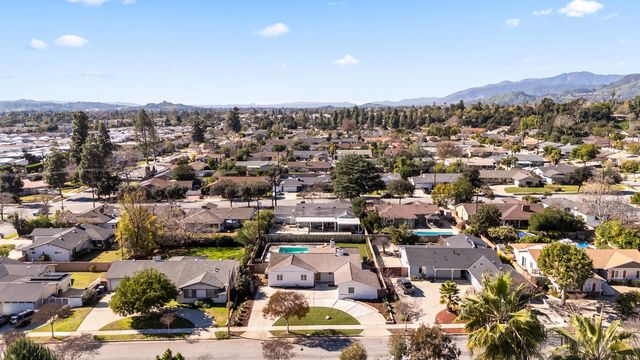
A postwar tract house north of Foothill Boulevard is valued mostly from other ranch houses in the same or a similar tract that sold close to the effective date, the date the opinion of value applies to, because repeated floor plans give the cleanest like-for-like evidence anywhere in Claremont. What moves the analysis is what has changed since the house was built: added living area, a converted garage, permit history, lot size, updating and condition. Each difference is adjusted only as far as the sales support it.
This article, part of Claremont home values, measured, applies the method in what is my Claremont house worth, and how an appraiser answers it to the ranch tracts between Foothill and Base Line Road.
What are the tracts north of Foothill?
Claremont Heritage describes how, after the war, the citrus groves below the railroad tracks and above Foothill Boulevard became housing developments. The ranch house suited them: usually one story, laid out horizontally on wide lots, with a one- or two-car garage toward the front, built by assembly-line methods on relatively flat land. North of Foothill, the old Route 66, those tracts reach toward Base Line Road; above them the foothills hold Claraboya and Padua Hills, a different market covered in why view, grade and access widen the Claraboya comparable search.
Why do repeated floor plans help?
Because they let the market answer questions directly. A comparable sale, a recent closed sale of a similar property that a buyer of this house would have weighed, is easiest to find where the same plans were built many times. Paired sales analysis, comparing sales of near-identical houses that differ in one feature, can show what buyers actually paid for that feature, such as an added bath or a pool. That evidence is far stronger than a rule of thumb, and it is the reason a north-of-Foothill report usually leans hardest on sales from the house's own tract.
Repetition also has a limit. Two houses built from the same plan may have been changed in very different ways since, which is where the inspection matters.
What changes the comparison?
These are the kinds of assignments that come in, and the differences that recur on them:
- Added living area. A family-room extension or added bedroom changes gross living area, the finished, heated living space above grade, measured at the house rather than copied from the assessor record. On loans sold to Fannie Mae, the appraiser follows the ANSI Z765-2021 measuring standard.
- Garage conversions. A converted garage trades covered parking for interior space. Its contributory value, what the change adds to or takes from the whole property in the market, depends on how it was built and whether it was permitted.
- Permit history. Permitted additions are normally counted in living area; unpermitted space is measured, described and treated separately, with the treatment stated.
- Lot size and usability. A larger lot matters only when sales show buyers pay for it, which usually turns on usable yard rather than raw square footage.
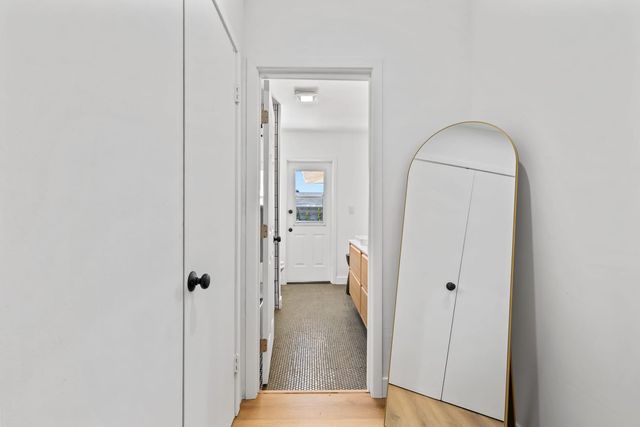
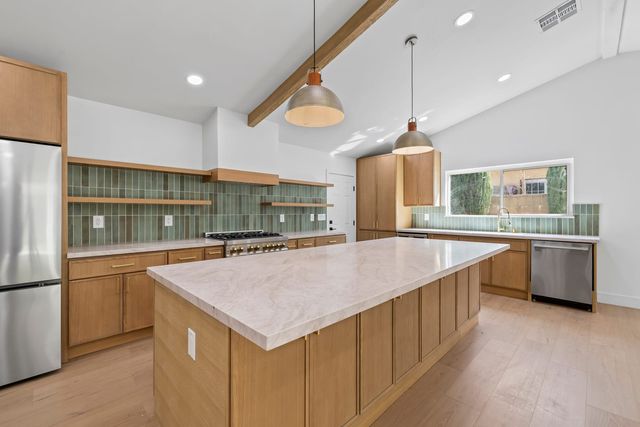
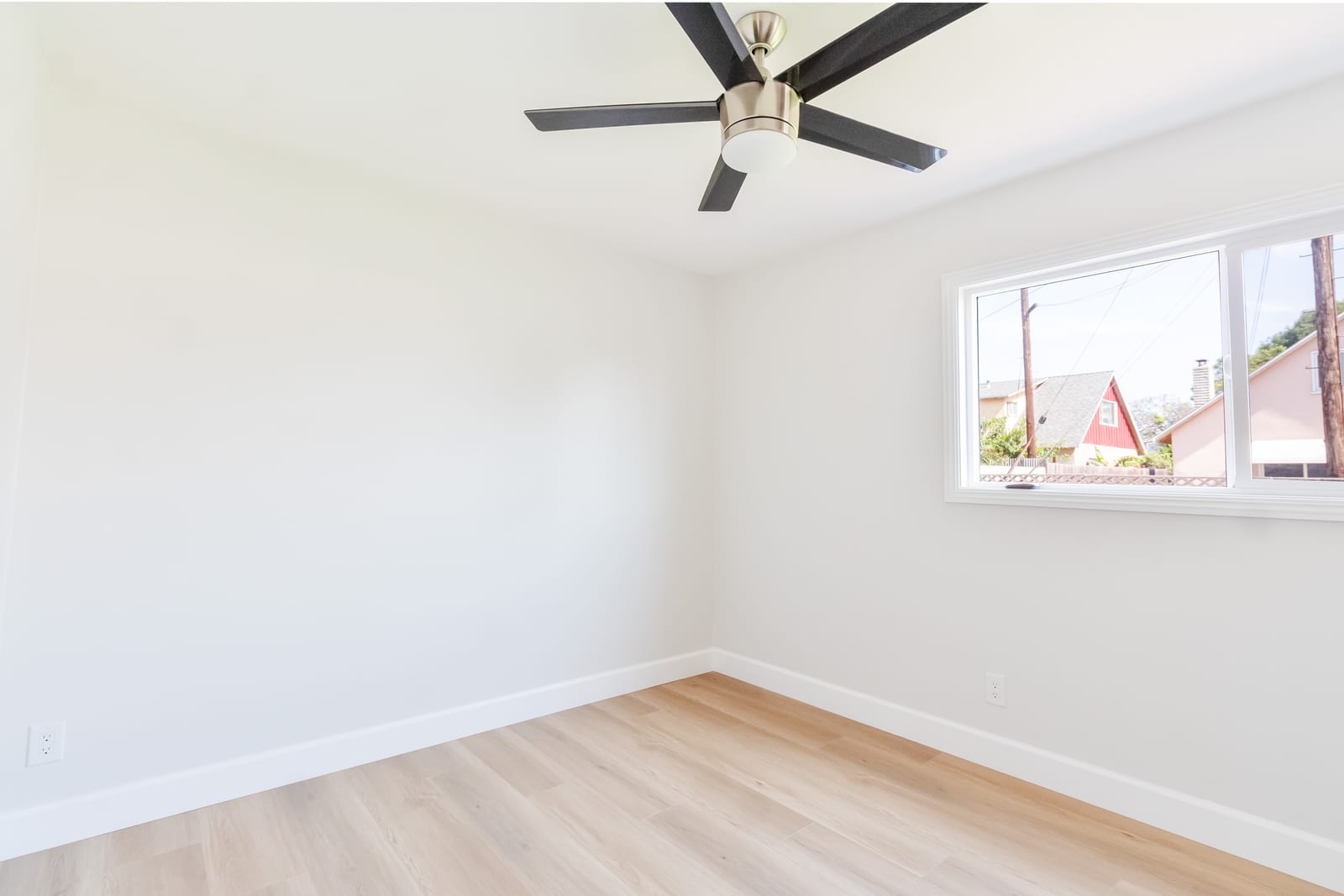
- Updating and condition. An original kitchen against a remodeled one, original windows against replacements, the visible age of heating and electrical equipment.
- Position in the tract. A lot backing onto Foothill Boulevard or another busy corridor is compared with lots in a similar setting, or adjusted where the sales support it.
An adjustment, the amount added to or subtracted from a comparable's price for one difference, must reflect the market's reaction to that difference, as Fannie Mae's Selling Guide puts it.
When does the search leave the tract?
When the tract itself has too few recent sales, the next step is similar ranch tracts elsewhere north of Foothill, with a location adjustment where the evidence supports one. Two crossings need more care:
- Across the county line. Postwar tracts in Upland and Montclair, in San Bernardino County, can look identical, but school districts, assessor records and buyer pools change at the line. A sale from there is used only when it is genuinely better evidence, with the location adjustment explained; what the county line does to comparable sales sets out why, and the Upland area page describes that side.
- Into other Claremont pockets. A ranch house is not compared with a pre-1940 house near the Colleges on bedroom count alone; what a pre-1940 Craftsman near the Colleges is worth explains why those are different purchases.
What does the comparable grid look like?
Here is the shape of the analysis, left blank: examples never carry a real address, sale or value.
Line itemSubjectComparable 1Comparable 2Comparable 3
Tract and floor plan
-
-
-
-
Gross living area, measured
-
-
-
-
Bedrooms and baths
-
-
-
-
Garage: original or converted
-
-
-
-
Additions and permit status
-
-
-
-
Lot size and usable yard
-
-
-
-
Condition and updating
-
-
-
-
Net adjustment
-
-
-
-
Why does an online number still miss on a tract house?
An automated estimate, such as a Zestimate or a Redfin Estimate, is not an appraisal; Redfin's own page calls its estimate a starting point. Tract repetition is exactly what such models lean on, which is why owners here often see one. What it cannot see is the inside: the remodeled kitchen, the converted garage, the permit file. An agent's comparative market analysis, or CMA, is not an appraisal either; it is an opinion of a likely list or sale price. And the county's assessed value is not an appraisal: on a long-held house it is usually tied to its base year under California's assessment rules, not to recent sales. Why the ZIP code median cannot say what a Claremont house is worth covers the wider problem, and appraisal vs. estimate sets the terms side by side.
Who is the report for?
Every report states its intended use, what it will be used for, and its intended users, the people entitled to rely on it, along with its effective date. Long-held north-of-Foothill houses often reach estates and trusts, where heirs and CPAs need a value as of a date of death; the estate and date-of-death appraisal page covers that. A seller can order a pre-listing appraisal before choosing a list price, which the seller and their agent still decide. The Claremont area page places these tracts among the other pockets in 91711. The appraiser is independent of every party, including the one who pays.
Next step
If you own a ranch house north of Foothill, request an appraisal or call (909) 324-6122. The fee is set by the scope of the assignment and quoted before work begins, it does not depend on the value, and the report is typically three to five business days from the inspection.
Sources
- Claremont Heritage, Architecture, accessed October 30, 2026
- Fannie Mae Selling Guide B4-1.3-05, Improvements Section of the Appraisal Report, accessed October 30, 2026
- Fannie Mae Selling Guide B4-1.3-08, Comparable Sales, accessed October 30, 2026
- Fannie Mae Selling Guide B4-1.3-09, Adjustments to Comparable Sales, accessed October 30, 2026
- Redfin, the Redfin Estimate, accessed October 30, 2026
- Los Angeles County Office of the Assessor, accessed October 30, 2026
- The Appraisal Foundation, Uniform Standards of Professional Appraisal Practice (USPAP), accessed October 30, 2026
- California Bureau of Real Estate Appraisers, license lookup, accessed October 30, 2026
Gordon Hall, California Certified Residential Real Estate Appraiser, BREA No. AR003877 (lookup: https://www2.brea.ca.gov/breasearch/faces/party/view.xhtml?id=23601). Reports are prepared in conformity with the Uniform Standards of Professional Appraisal Practice (USPAP). Nothing here is legal or tax advice; admissibility is always the court's decision.
Frequently asked questions
Why does an appraiser prefer sales from my own tract north of Foothill?
Because houses built from the same plans need the fewest adjustments. Sales of near-identical houses that differ in one feature can show what buyers paid for that feature, which is stronger evidence than a rule of thumb. The search widens only when the tract has too few recent sales.
Does a converted garage count as living area on a Claremont ranch house?
It depends on how it was built and whether it was permitted. The appraiser measures and describes it, notes the loss of covered parking, and states how it was treated. Permitted, finished, heated space is normally counted; unpermitted space is weighed separately for what it contributes in the market.
Can a sale in Upland or Montclair be used for a ranch house north of Foothill?
Only when it is genuinely better evidence than a Claremont sale. Those cities are across the county line in San Bernardino County, with different school districts, assessor records and buyer pools, so the report explains the location adjustment and the reason for using the sale.
Does a bigger lot add value to a postwar tract house?
Only when sales show buyers pay for it. The appraiser looks at usable yard, not just recorded lot size, and compares the house with sales on similar lots or adjusts where the evidence supports it.