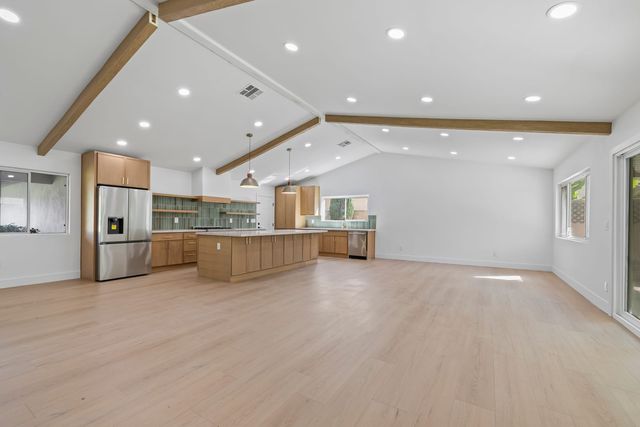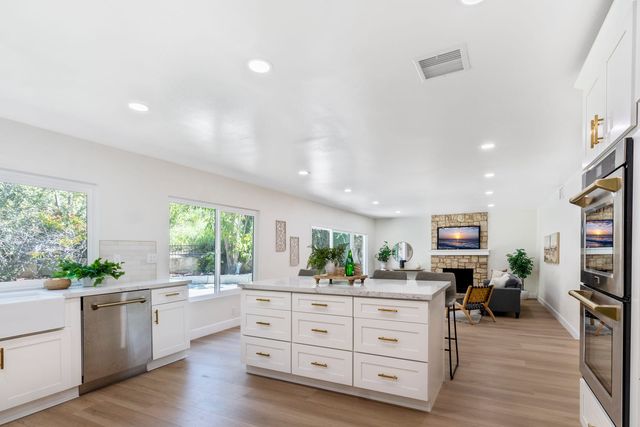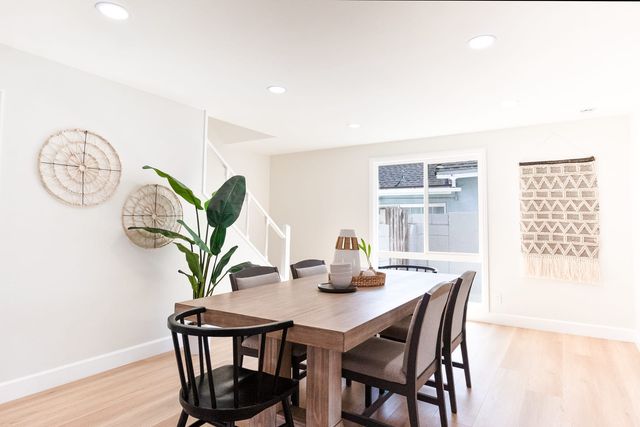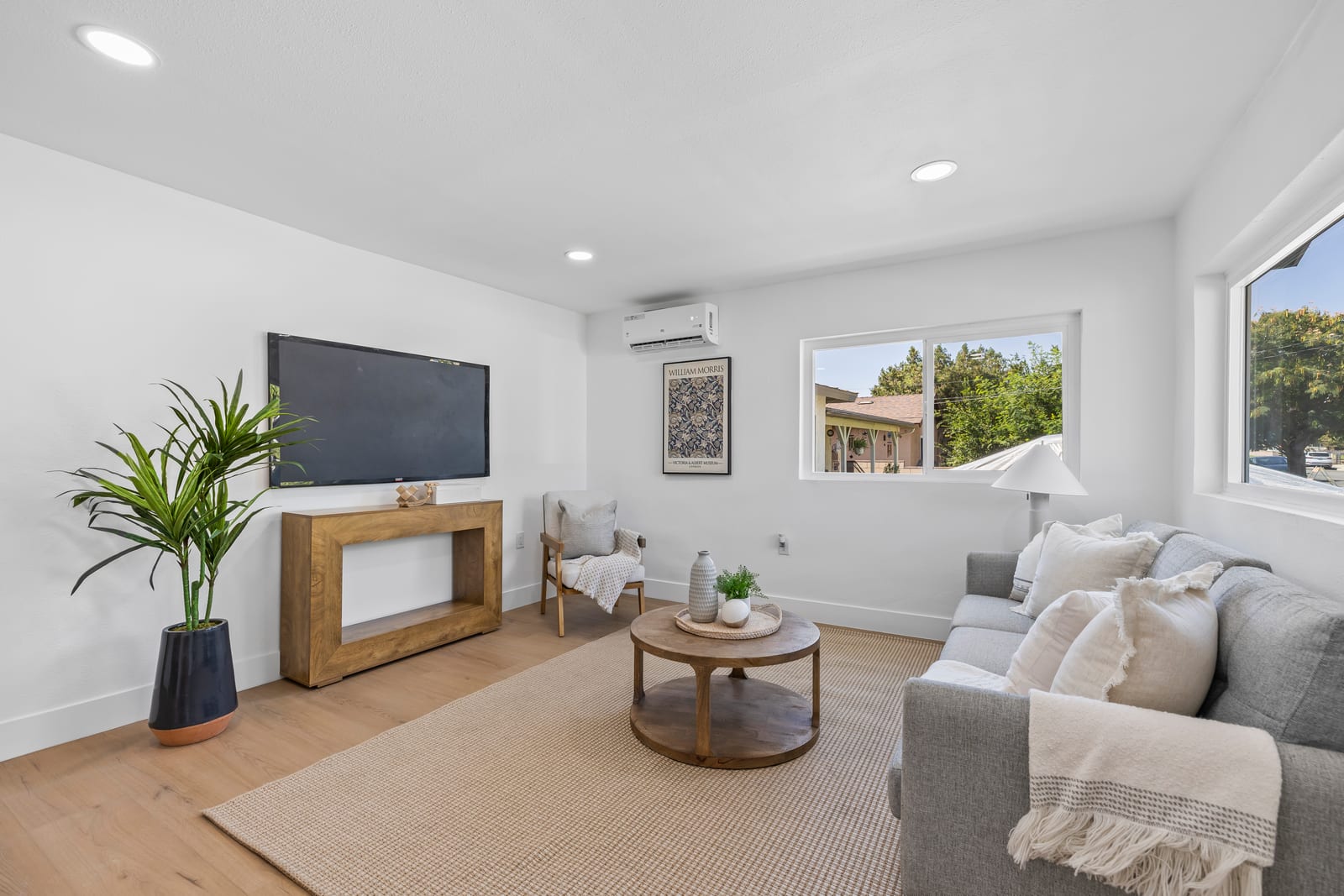
A home appraisal near you in Claremont is worth less for the short drive than for what a local appraiser already knows about the pockets: which sales in ZIP code 91711 compete with which, where the public record understates an older house, and when a sale across Mills Avenue is evidence and when it is not. That knowledge shows up in one place, the comparable sales the report chooses and the reasons it gives for each. The value itself is still an independent opinion built from closed sales, and it is formed only after the analysis.
The appraiser here is Gordon Hall, California Certified Residential Real Estate Appraiser, BREA No. AR003877, based in Claremont; the license is public on the Bureau of Real Estate Appraisers lookup.
Why does "near me" matter for an appraisal?
USPAP, the Uniform Standards of Professional Appraisal Practice, treats familiarity with the market area as part of competency: an appraiser must know how a local market behaves before developing a credible opinion in it. In most cities that means knowing the neighborhoods. In Claremont it means knowing that one ZIP code holds pre-1940 houses near the Colleges, postwar ranch tracts north of Foothill and hillside custom homes in Claraboya, and that buyers for each rarely shop the others.
A search for an appraiser near me is really a search for someone who can tell those markets apart without learning them on your file. The pillar guide to what a Claremont report measures describes the whole method; this article is about the local part of it.
What a local appraiser knows about each pocket
- The Village and the Colleges. The oldest blocks along Indian Hill Boulevard and College Avenue hold Victorian, Colonial Revival, Spanish Colonial Revival and Craftsman bungalow houses, including stone bungalows built with local rock. Era and style matter to these buyers, so comparables are chosen for era and style before bedroom count. Appraising a pre-1940 home near the Colleges goes further.
- The Village expansion west of Indian Hill. Newer mixed-use and residential infill on the former citrus packing plant site. It sits beside the old Village but is compared with newer construction. See appraising a home in the Village expansion.
- Arbol Verde. An early-1950s intercultural housing tract of small modernist houses, its own chapter in the city's history and not interchangeable with the tracts around it.
- North of Foothill to Base Line Road. Postwar single-story ranch tracts on wider lots, where the same model often repeats a few streets away. The useful local knowledge is which models share a floor plan and which houses have grown past it.
- Claraboya, Padua Hills and Northeast Claremont. Custom and hillside homes that sell on view, grade and access, and the Stone Canyon Preserve homes beside the Wilderness Park. Sales are thin, so the search widens along the foothills with the reasoning written out.
- South of the 10. Later tracts, townhomes and condominiums, compared with their own kind and kept out of a detached-house grid near the Colleges.
Where the public record falls short
Records are a starting point, not a measurement. On older Claremont houses, porches and back rooms were often enclosed decades ago, and the square footage in the assessor record or an old listing may not match what is finished living area today. That is why gross living area, the finished, heated space above grade, is measured on site from the outside of the house.
Permit history is the other gap. The City of Claremont Building Division keeps a searchable archive of past permits, and a local appraiser knows to check it, and to ask the owner for plans and final sign-offs, before deciding how an addition, a garage conversion or an ADU is treated. Where a record cannot be found, the report says so with an extraordinary assumption, an assumption about uncertain facts that, if false, could change the result.
The county line a few blocks east
Claremont is in Los Angeles County and is assessed by the Los Angeles County Office of the Assessor. The line runs just east of the Colleges: cross Claremont Boulevard or Mills Avenue and you are in Montclair or Upland, in San Bernardino County, where Sixth Street becomes the wider Arrow Route. The houses can look alike on both sides while school districts, assessor records and buyer pools change.
A local appraiser uses Claremont sales first and reaches across the line only when a sale there is genuinely better evidence, with the location adjustment explained. What the county line does to comparable sales sets out why.
What local knowledge does not change
Being nearby changes the evidence, not the independence. The appraiser is independent of every party, including the one who pays, and nothing about value is discussed at the house. The fee is set by the scope of the assignment and quoted before work begins, and it does not depend on the value.
A "home value near me" search also returns automated estimates. An automated estimate, such as a Zestimate or another AVM, is a statistical estimate from records and nearby sales and is not an appraisal; appraisal vs. estimate explains the difference.
How to tell whether a report reflects local knowledge
Read the comparable section with these questions. They apply to any Claremont report, whoever wrote it.
- Does each comparable name its pocket, and is its distance from the subject given in miles with a direction?
- When a sale comes from another pocket or across the county line, does the report say why it was the better evidence?
- Was gross living area measured on site, or copied from a record?
- Are additions, enclosed porches and ADUs described with their permit status?
- For a hillside home, does the report explain the search radius and adjust for view, grade and access?
The Claremont report page by page shows where each of those answers sits.
Next step
The Claremont area page describes the pockets as separate markets, about Gordon Hall covers the practice, and the appraisal services list shows which assignment fits which decision. More pocket-by-pocket articles are in the home appraisal in Claremont knowledge center. To scope an appraisal, request an appraisal or call (909) 324-6122.
Sources
- The Appraisal Foundation, Uniform Standards of Professional Appraisal Practice (USPAP), including the Competency Rule: appraisalfoundation.org (accessed October 30, 2026)
- Fannie Mae Selling Guide B4-1.3-08, Comparable Sales (market area, expanded searches, distance and direction): selling-guide.fanniemae.com (accessed October 30, 2026)
- City of Claremont, Building Division (permit status and archived permits): claremontca.gov (accessed October 30, 2026)
- Claremont Heritage, Architecture: claremontheritage.org (accessed October 30, 2026)
- Los Angeles County Office of the Assessor: assessor.lacounty.gov (accessed October 30, 2026)
- California Bureau of Real Estate Appraisers, license lookup: brea.ca.gov (accessed October 30, 2026)
Gordon Hall, California Certified Residential Real Estate Appraiser, BREA No. AR003877 (lookup: https://www2.brea.ca.gov/breasearch/faces/party/view.xhtml?id=23601). Reports are prepared in conformity with the Uniform Standards of Professional Appraisal Practice (USPAP). Nothing here is legal or tax advice; admissibility is always the court's decision.
Frequently asked questions
Does my appraiser need to be based in Claremont?
Not necessarily, but USPAP treats familiarity with the market area as part of competency, so the appraiser must know how Claremont's pockets behave before developing an opinion here. The comparable section of the report is where that knowledge shows: each sale should name its pocket and explain why it was chosen.
How far away will the comparable sales be for my Claremont house?
The search starts in the subject's own pocket, such as the Village, the tracts north of Foothill or Claraboya. Hillside and custom homes often need a wider foothill search, and a sale from across the county line in Montclair or Upland is used only when it is better evidence, with the distance and the reasoning stated in the report.
Is a home value near me estimate the same as an appraisal?
No. An automated estimate such as a Zestimate or another AVM is a statistical estimate and is not an appraisal. An appraisal is an independent opinion of market value as of a stated date, developed by a licensed or certified appraiser who, in most assignments, has inspected the property.
How can I check a Claremont appraiser's license?
California appraiser licenses are public on the Bureau of Real Estate Appraisers license lookup. Gordon Hall is a California Certified Residential Real Estate Appraiser, BREA No. AR003877, and his record can be found there by name or number.