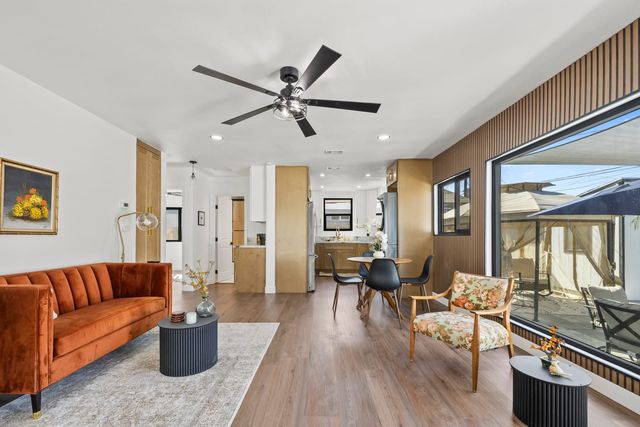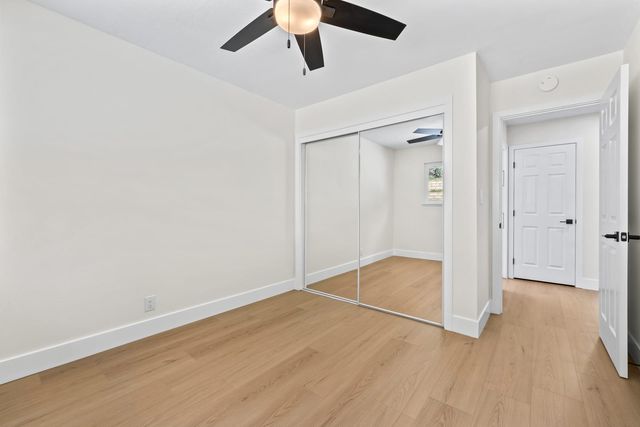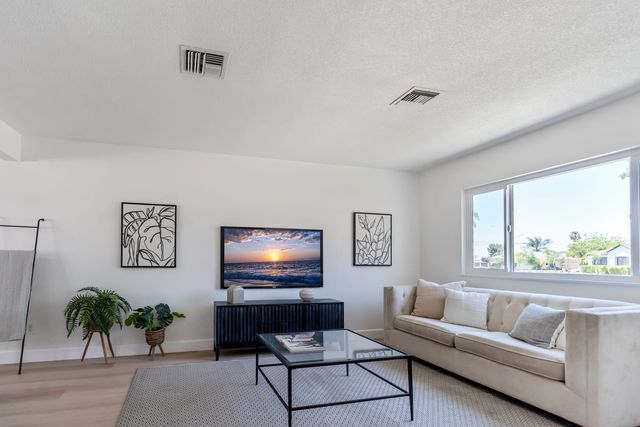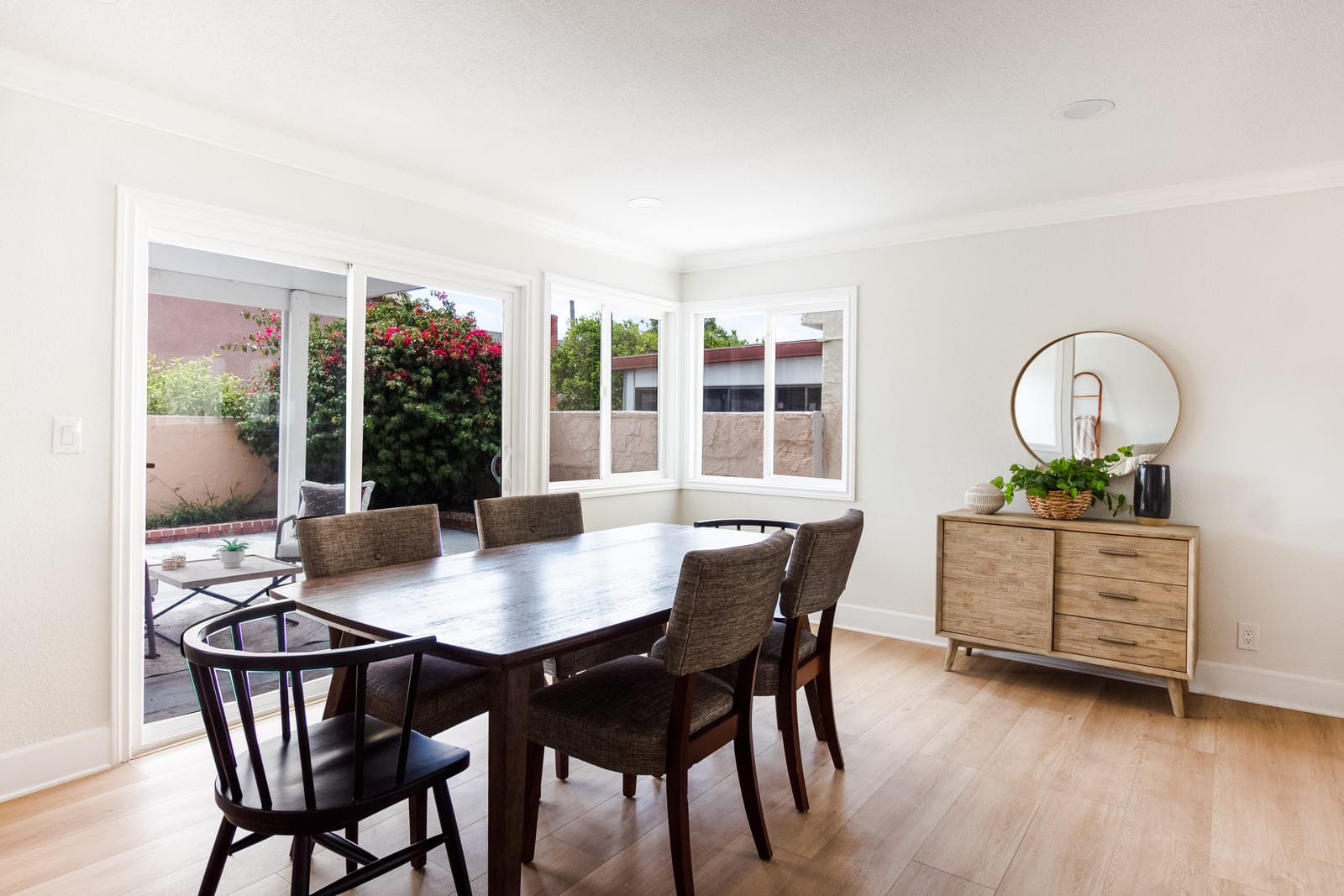
A pre-listing appraisal in Claremont starts by deciding which market the house belongs to, because one ZIP code, 91711, holds at least three. A pre-1940 house near the Village and the Colleges, a postwar ranch house and a hillside house in Claraboya sell to different buyers on different evidence. The report searches for comparable sales inside the right pocket first and crosses a pocket line only with the reason written out.
This article is part of the pre-listing and private appraisals series. For the broader question of whether to order a report at all, start with should you get an appraisal before selling.
Why one ZIP code is not one market
A comparable sale is a closed sale of a property similar enough to the subject house that a buyer would have weighed one against the other. Fannie Mae's Selling Guide, written for lender appraisals, puts the location rule simply: "Sale activity from within the neighborhood is the best indicator of value." A private pre-listing assignment is not a loan file, but the reasoning carries over. The closer the sale sits to the subject in era, lot character and buyer pool, the less the report has to adjust.
Claremont tests that rule more than most cities. The Claremont Heritage architecture survey traces houses from a few nineteenth-century Victorians through Spanish Colonial Revival, Colonial Revival and bungalow stock of the early twentieth century, to the one-story postwar ranch houses built on former citrus groves. Those eras did not mix evenly across town. They settled in pockets, and buyers shop the pockets.
An automated estimate, a statistical estimate from records and nearby sales, is not an appraisal, and a ZIP-wide figure is where it tends to fail here. An agent's comparative market analysis (CMA), an opinion of likely list or sale price prepared by a licensed real estate agent, is not an appraisal either, though for some Claremont houses it is all a seller needs, as the postwar tract section below says.
The Village and the blocks near the Colleges
The oldest blocks surround Claremont Village and the Colleges along Indian Hill Boulevard and College Avenue: Craftsman bungalows, Spanish Colonial Revival and Colonial Revival houses, a few Victorians and a scattering of 1930s and 1940s modernist homes. Buyers here pay for era, original detail and walking distance to the Village.
For a pre-listing report the evidence questions are specific. Is the house compared with others of its era and style, not just its bedroom count? Were the porch and back rooms enclosed decades ago, and is that space permitted? Public records often carry living area that predates those changes, so the inspection measures the house and the sketch shows what was counted.
West of Indian Hill, the Village expansion on the former citrus packing plant site added newer mixed-use and residential infill. It sits beside the old blocks but is a different product: newer construction compared with its own kind. The guide to reading sales within walking distance of the Village covers that split.
The postwar ranch tracts: where a CMA is often enough
Claremont's postwar single-story ranch tracts sit on wider lots. Many houses share a builder, a floor plan and a lot pattern with their neighbors. When several of the same model have closed recently and the house has no unusual additions, an agent has strong evidence and a pre-listing appraisal may add little.
The report earns its place here when the house has drifted from its model. Garage conversions, added rooms, a rear unit or a full remodel raise the question of what counts and what it contributes. Permit history decides how added living area is treated. How postwar tracts are compared model to model walks through the adjustments.
Claraboya and Padua Hills: few twins, a wider search
Above the tracts, the foothills hold Claraboya and Padua Hills, near the Padua Hills Theatre, where custom and hillside homes sell on view, grade and access. Few houses there have a true twin. The comparable search widens across the foothill band, and each sale's view, slope, access and construction quality has to be compared and explained.
This is the pocket where a pre-listing report most often earns its place, because the evidence is thin and every adjustment is a judgment that should be written down. Claraboya home appraisal: slope, views and access shows what the inspection records.
The comparable policy on a blank grid
The table below shows how the search starts in each pocket. Every figure is a dash: it describes the policy, not a completed report.
PocketWhere the search startsWhat drives the adjustmentsCount of sales usedAdjustment range
Village and near the Colleges
Same era and style, same blocks
Era, original detail, enclosed porches, measured living area
-
-
Postwar ranch tracts
Same tract and model
Lot size, layout, garage conversions, permit history
-
-
Claraboya and Padua Hills
Foothill band, similar view and grade
View, grade, access, construction quality
-
-
When the best evidence sits in another pocket, or across the county line in Upland or Montclair, the report says why it was used and explains the adjustment. Claremont sits in Los Angeles County; Upland and Montclair, just east, are in San Bernardino County, with different assessor records, schools and buyer pools. What the county line does to comparable sales explains why a reviewer asks about that boundary.
What the report states, and who reads it
The report states its intended use, what it will be used for, here understanding market value before a sale, and its intended users, the people entitled to rely on it, usually the seller and anyone the engagement names. Market value is the most probable price under the conditions of a fair sale, as Fannie Mae's definition sets out, as of the effective date, the date the opinion of value applies to.
It does not set a list price or predict a sale price. The list price is a marketing decision the seller makes with a listing agent; can an appraiser tell you what to list at? explains why that line exists. And a buyer's lender will order its own appraisal.
Next step
If your Claremont house sits in a pocket where the evidence is thin, or has changed from its original plan, the pre-listing appraisal service describes what the report includes. The Claremont area page describes each pocket. Call (909) 324-6122 to discuss the scope; the fee is set by the scope of the assignment, quoted before work begins, and does not depend on the value. Reports are typically delivered three to five business days from the inspection.
Sources
- Fannie Mae Selling Guide B4-1.3-08, Comparable Sales: https://selling-guide.fanniemae.com/sel/b4-1.3-08/comparable-sales (accessed November 6, 2026)
- Fannie Mae Selling Guide B4-1.1-01, Definition of Market Value: https://selling-guide.fanniemae.com/sel/b4-1.1-01/definition-market-value (accessed November 6, 2026)
- Claremont Heritage, Architecture (styles and eras; postwar ranch houses on former citrus groves): https://claremontheritage.org/architecture.html (accessed November 6, 2026)
- California Bureau of Real Estate Appraisers, license lookup for Gordon Hall, BREA No. AR003877: https://www2.brea.ca.gov/breasearch/faces/party/view.xhtml?id=23601 (accessed November 6, 2026)
Gordon Hall, California Certified Residential Real Estate Appraiser, BREA No. AR003877 (lookup: https://www2.brea.ca.gov/breasearch/faces/party/view.xhtml?id=23601). Reports are prepared in conformity with the Uniform Standards of Professional Appraisal Practice (USPAP). Nothing here is legal or tax advice; admissibility is always the court's decision.
Frequently asked questions
Why does a Claremont pre-listing appraisal treat the Village, the postwar tracts and Claraboya separately?
Because buyers shop them separately. Pre-1940 houses near the Village and the Colleges sell on era and detail, postwar ranch tracts sell on lot, layout and condition, and Claraboya hillside homes sell on view, grade and access. Comparable sales are searched inside the right pocket first, and any sale from another pocket is used only with the reason written out.
Is an agent CMA enough for a postwar tract house in Claremont?
Often, yes. When several houses of the same model have closed recently and the house has no unusual additions, an agent comparative market analysis, which is not an appraisal, usually has strong evidence to work from. A pre-listing appraisal earns its place when the house has drifted from its model through garage conversions, added rooms, a rear unit or a full remodel.
Why are some comparables for a Claraboya house far away?
Hillside and custom homes in Claraboya and Padua Hills have few true twins nearby. The search widens across the foothill band to find homes with similar view, grade, access and construction quality, and the report explains the radius and each adjustment.
Can a sale from Upland or Montclair be used for a Claremont house?
Only when it is the better evidence, and then the report explains the location adjustment. Claremont is in Los Angeles County, while Upland and Montclair are in San Bernardino County, with different assessor records, schools and buyer pools, so Claremont sales come first.