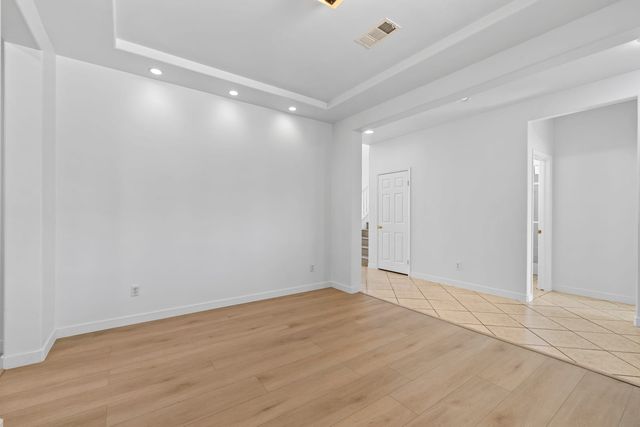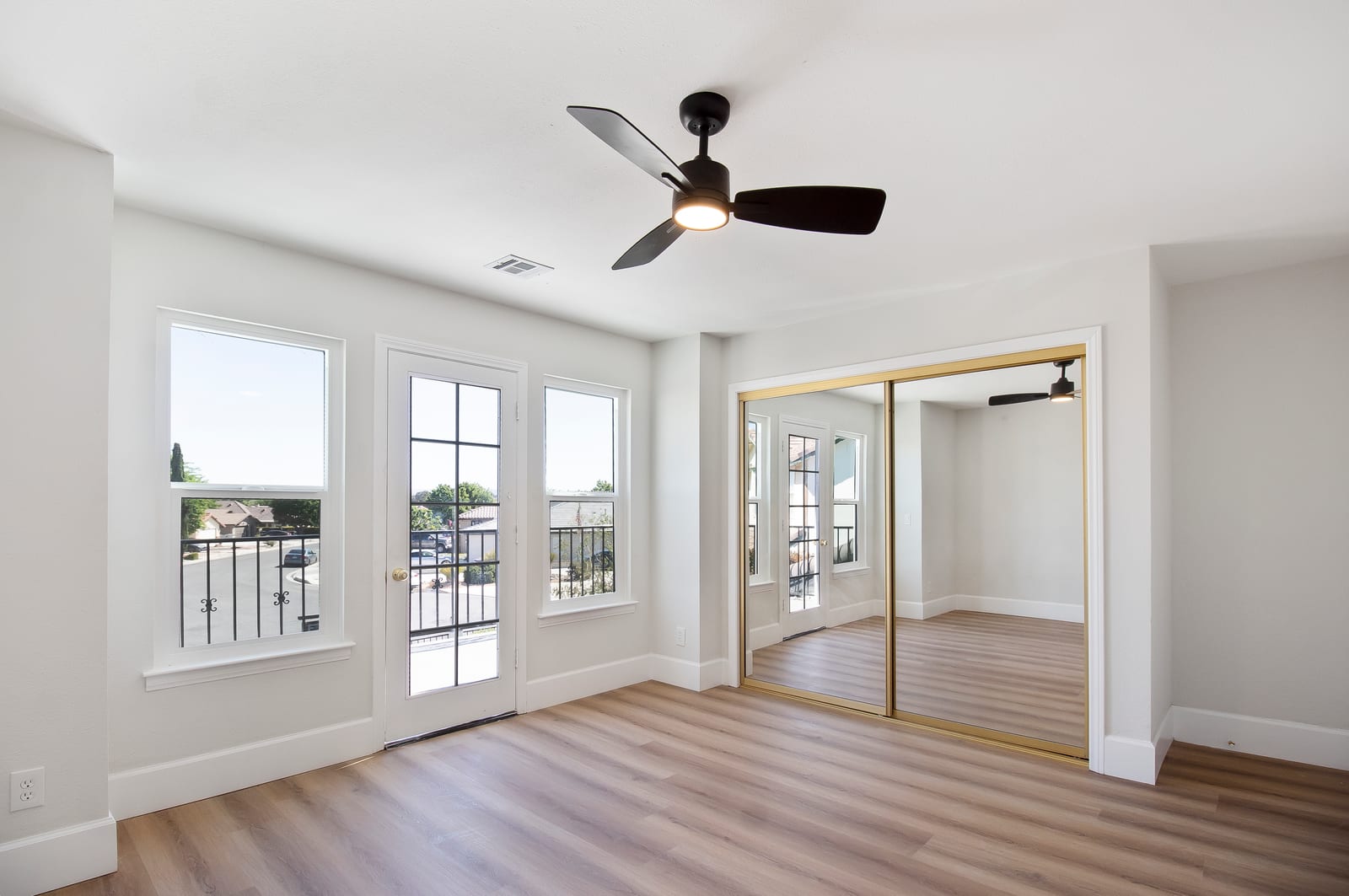
A remodel enters a Claremont appraisal through what buyers have shown they pay for: a changed condition or quality rating, the update status of the kitchen, baths and flooring, added living area that meets the measuring standard, and a better layout. What the report leaves out is the cost itself. Receipts are not evidence of market value, the most probable price in an open, competitive sale, and neither is work that is unfinished, leased, or out of step with what buyers in that pocket expect. Each piece of the work is weighed by its contributory value, what an improvement adds to the whole property in the market.
This article is part of Claremont home values, measured. What is my Claremont house worth, and how an appraiser answers it covers the whole method; this piece follows one remodel through the report.
Why the cost of the work is not the answer
An owner knows what a kitchen cost. The appraisal asks a different question: what a buyer comparing this house with recent sales would pay for the difference. Fannie Mae's Selling Guide, in topic B4-1.3-09, says the appraiser's adjustments "must reflect the market's reaction (that is, market based adjustments) to the difference in the properties." An adjustment is an amount added to or subtracted from a comparable sale's price for a difference buyers pay for, and it comes from sales, not from invoices.
The Guide makes the same point about energy-efficient features in B4-1.3-05: the appraiser cannot adjust "on a mechanical dollar-for-dollar basis based on equipment and installation cost," and "must also analyze the market reaction." The principle carries across a remodel. The work may add about what it cost, less, or in rare cases more, and the sales decide which.
Where a remodel shows up on the report
The condition rating. On the redesigned Uniform Residential Appraisal Report, mandatory for new reports submitted on or after November 2, 2026 on Fannie Mae and Freddie Mac loans, the condition scale itself is unchanged but, as Freddie Mac's UAD 3.6 FAQ puts it, "definitions were rewritten." The published UAD 3.6 definitions describe C2 as a dwelling "recently constructed or entirely remodeled within 36 months prior to the appraisal date," and give "Remodeled kitchen or bathroom(s)" as an example of the major components behind a C3. One remodeled room rarely moves the whole house; the Guide's current text for Fannie Mae's condition topic, B4-1.3-06, says the ratings "must be based on a holistic view of the property and any improvements."
Update status, room by room. The same FAQ notes that update status is now reported for kitchens and baths, with an overall status for bathrooms and for flooring, and that interior and exterior condition and quality ratings have been added. A remodel is recorded where it happened, not just as a general impression.
The quality rating. Quality is rated separately from condition. The definitions say interior quality covers "room size, ceilings, trim, floor material, kitchen, and bathrooms." New cabinets of the same grade change condition; a step up in materials and workmanship may change quality. Both are rated "on an absolute basis," the house on its own merits. How a Claremont appraisal reports condition and quality ratings covers the scale.
Added living area. An addition counts toward gross living area, the finished living area above grade, only when it meets the ANSI measuring standard; a room without interior access or below grade goes on its own line. How gross living area is measured on a Claremont house explains the rules.
Layout. Moving a wall can fix a floor plan buyers resisted. B4-1.3-05 says dwellings with unusual layouts "generally have limited market appeal," and a remodel that removes the problem is compared with sales that never had it.
What is left out, or limited
- Work after the effective date. The effective date is the date the opinion of value applies to. For a retrospective appraisal, an appraisal whose effective date is in the past, such as a date-of-death report, a kitchen finished afterward is not part of the house being valued. The effective date explained covers why.
- Unfinished work. A house mid-remodel is appraised as it stands, or under a hypothetical condition, a condition assumed for the analysis that is known to be contrary to fact, such as completion of the work. The report states which.
- Unpermitted additions. These are not ignored. The Guide asks the appraiser to "comment on the quality and appearance of the work and its impact, if any, on the market value."
- Leased equipment. Solar panels leased from or owned by a third party under a power purchase agreement "must be considered personal property and not be included in the appraised value," per B4-1.3-05.
- Taste beyond the pocket. The Guide expects improvements to "conform to the neighborhood in terms of age, type, design, and materials." A finish level well past what buyers in that pocket pay for is weighed against the sales, not against the budget.
The kinds of remodels that come in around Claremont
- A Village Craftsman with a new kitchen and bath. Buyers of pre-1940 houses near the Colleges weigh era and original detail along with updating, so the comparison runs against sales of both updated and original houses. The pre-1940 Craftsman article covers that market.
- A postwar ranch house with a family-room addition or garage conversion. Permit history and interior access decide how the space is reported, and the lost garage is its own line. The ranch-house comparables shows how tract plans are compared.
- A hillside home in Padua Hills or Claraboya remodeled throughout. Few sales match, so the reasoning for each comparable is written out, as in Padua Hills house value.
What to have ready
A dated list of the work, permits and final sign-offs, plans for any addition, and the agreement for any leased solar. The appraiser verifies what is seen and records it; the list helps with what cannot be seen. Can a Claremont homeowner give the appraiser a list of upgrades? covers what to include.
Next step
Remodeled houses are one of the cases a pre-listing appraisal is built for: the report shows which sales the work was weighed against before you choose a price with your agent. For any other purpose, request an appraisal or call (909) 324-6122. The fee is set by the scope of the assignment and quoted before work begins, and it does not depend on the value. The Claremont area page describes each pocket.
Sources
- Fannie Mae Selling Guide B4-1.3-09, Adjustments to Comparable Sales, accessed November 6, 2026
- Fannie Mae Selling Guide B4-1.3-05, Improvements Section of the Appraisal Report, accessed November 6, 2026
- Fannie Mae Selling Guide B4-1.3-06, Property Condition and Quality of Construction of the Improvements, accessed November 6, 2026
- Freddie Mac, Uniform Appraisal Dataset (UAD) 3.6 FAQ, accessed November 6, 2026
- Fannie Mae and Freddie Mac, UAD Condition and Quality Rating Definitions (Document Version 1.0), accessed November 6, 2026
- The Appraisal Foundation, Uniform Standards of Professional Appraisal Practice (USPAP), accessed November 6, 2026
- California Bureau of Real Estate Appraisers, license lookup, accessed November 6, 2026
Gordon Hall, California Certified Residential Real Estate Appraiser, BREA No. AR003877 (lookup: https://www2.brea.ca.gov/breasearch/faces/party/view.xhtml?id=23601). Reports are prepared in conformity with the Uniform Standards of Professional Appraisal Practice (USPAP). Nothing here is legal or tax advice; admissibility is always the court's decision.
Frequently asked questions
Will my remodel add what it cost to my home's value?
Not necessarily. An appraiser weighs the work by its contributory value, what it adds to the whole property in the market, measured from comparable sales. It may add about its cost, less or occasionally more. Fannie Mae requires market-based adjustments rather than cost-based ones.
Does a remodeled kitchen change the condition rating?
It can contribute, but the rating reflects the whole house. Under the UAD 3.6 definitions, a remodeled kitchen or bath is one example of the major components behind a C3 rating, while C2 describes a house recently constructed or entirely remodeled. The kitchen's update status is also reported on its own.
Is an unpermitted remodel ignored in an appraisal?
No. On Fannie Mae appraisals, the appraiser must comment on the quality and appearance of unpermitted work and its impact, if any, on market value. Whether added space counts as gross living area is a separate measurement question.
Can a house be appraised before the remodel is finished?
Yes. It can be appraised as it stands, or under a hypothetical condition that assumes the work is complete. The report states which, and the intended use, what the report will be used for, decides which approach fits.