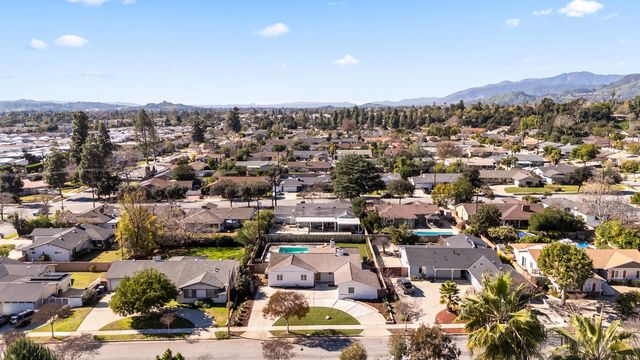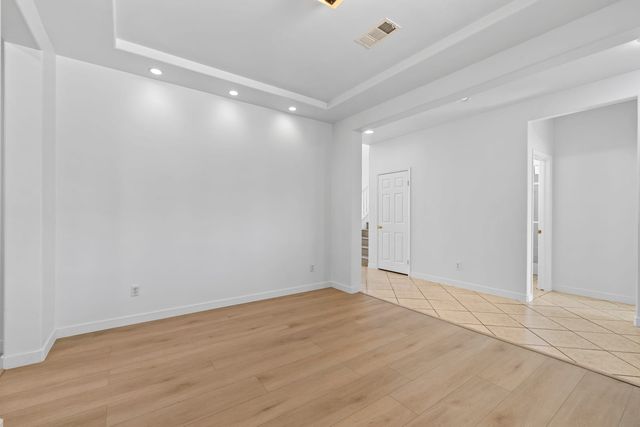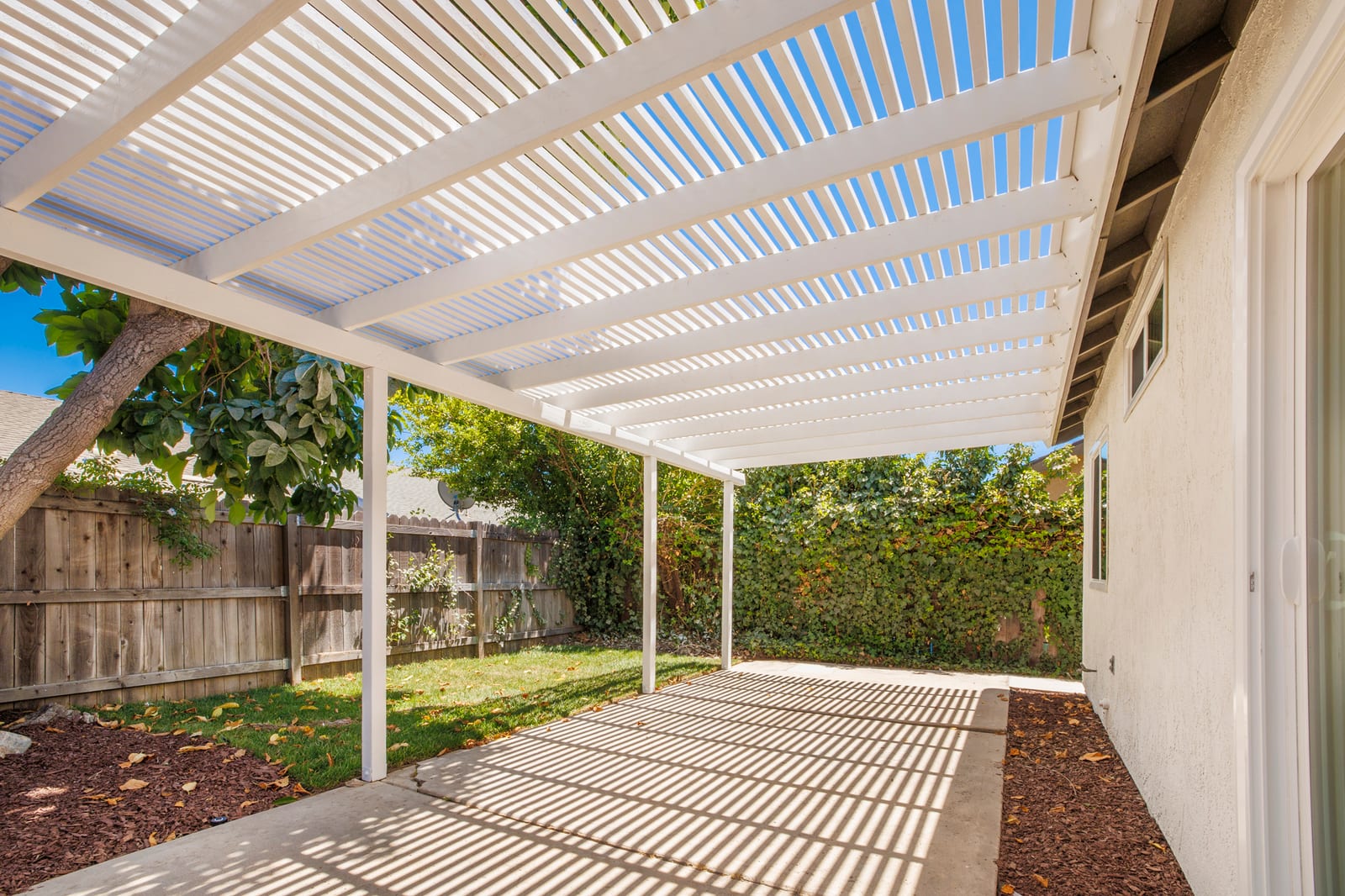
Two Claremont houses on the same street share a location, and location is only one of the things a value rests on. The measured living area, the lot and its grade, the condition and updating, the quality of construction, the permit history, the layout and what sits next door can all differ between neighbors. When one value is a sale price and the other an appraisal, the dates and the terms differ too. So the street is the best place to start looking for evidence, not a value in itself.
This article is part of Claremont home values, measured. What is my Claremont house worth, and how an appraiser answers it covers the whole method; this piece explains why the house next door is a clue rather than an answer.
What the street does share
Neighbors share the location characteristics buyers notice: the pocket, the walk to the Village or the Colleges, the traffic, the noise from Foothill or the 10, the schools. That is why the nearest sales usually carry the most weight. Fannie Mae's Selling Guide, in topic B4-1.3-08, puts it this way: "Sale activity from within the neighborhood is the best indicator of value as sales prices of comparable properties from the same location should reflect the same positive and negative location characteristics."
The same topic says what else a comparable sale should match: "similar physical and legal characteristics," including "site, room count, finished area, style, and condition." A comparable sale, a recent closed sale of a similar house that a buyer would have weighed against this one, can share a street with the subject and still differ on every one of those.
The differences that remain on one street
- Measured living area. Gross living area, the finished living area above grade, is measured on site, and two houses built from the same plan can part ways after an addition or a garage conversion. How gross living area is measured on a Claremont house covers the standard.
- The lot. Size, shape and topography differ house to house. Fannie Mae's site topic, B4-1.3-04, adds that "amenities, easements, and encroachments may either detract from or enhance the marketability of a site," and the appraiser must reflect them.
- Condition and updating. Each house is rated on its own merits. B4-1.3-06 says the rating describes the property "on an absolute basis," not by how it compares with the neighbors, and a comparable is rated as it was on its own sale date. Claremont home value after a remodel covers what updating does and does not change.
- Quality of construction. Materials, workmanship and design detail, rated separately from condition.
- Permits. A permitted addition or ADU and an unpermitted one are reported differently, even when they look the same from the street.
- Layout. B4-1.3-05 notes that dwellings with unusual layouts "generally have limited market appeal," such as bedrooms on a level with no bath.
- What is next door. The appraiser "must consider the present or anticipated use of any adjoining property that may adversely affect the value or marketability," in the words of B4-1.3-04. A corner lot, a commercial neighbor or a busier cross street can separate two houses a few doors apart.
- View and features. B4-1.3-06 notes that properties "can have the same rating or description and still require an adjustment," and gives the example that "all water views may not be equal." The same holds for a mountain outlook from one side of a hillside street. Pools and mature trees are covered in which Claremont features show up in sales evidence.
Same street, different date and terms
"The neighbor sold for" is a price on a contract date, under that sale's terms, for that house in the condition it was in. The appraisal is an opinion of market value, the most probable price in an open, competitive sale, as of its effective date, the date the opinion of value applies to. Between the two, the market may have moved. B4-1.3-09 asks the appraiser to analyze each comparable "for any changes in market conditions from their contract dates through the effective date" and to support any time adjustment with evidence. The same topic requires an adjustment for sales or financing concessions the seller paid. What the current value of a Claremont home means explains the effective date.
An agent's comparative market analysis, or CMA, is not an appraisal: it is an agent's opinion of a likely list or sale price, and it may lean on the same neighbor's sale without measuring either house. That is a fair use of a CMA. It is a different document from an appraisal.
Claremont streets where the gap shows most
These are the kinds of houses that come in:
- A Village block. A pre-1940 Craftsman can sit beside a later house on the same block. Era, original detail and later additions pull them apart, which is why the pre-1940 Craftsman article compares on era and style first.
- A postwar tract. Neighbors may share a plan, so the differences are additions, garage conversions, lot and condition. The ranch-house comparables shows how those plans are compared model to model.
- A hillside street in Claraboya. An uphill and a downhill lot on one street can differ in view, usable area and driveway grade. Claraboya home values explains why the search widens.
- Mills Avenue. Here one street is the county line: Claremont and Pomona on the Los Angeles County side, Montclair in San Bernardino County. The houses may look alike and still answer to different assessors and school districts. Whether buyers pay differently is a question the closed sales answer, as Mills Avenue on the county line explains.
What the comparison looks like on paper
A report sets neighbors side by side line by line. Shown blank, as every grid on this site is:
LineSubjectNeighbor's saleAdjustment
Location
-
-
-
Contract date and terms
-
-
-
Site: size, shape, grade
-
-
-
View
-
-
-
Quality and condition
-
-
-
Gross living area
-
-
-
Garage, pool, ADU
-
-
-
An adjustment is an amount added to or subtracted from a comparable's price for a difference buyers pay for, and Fannie Mae's guidance is that adjustments "must reflect the market's reaction." Adjustments in a Claremont home appraisal covers that step.
Next step
If a neighbor's sale is the number everyone keeps quoting before you list, a pre-listing appraisal measures your house against it and against the other sales a buyer would weigh; you and your agent still choose the price. For any other purpose, request an appraisal or call (909) 324-6122. The fee is set by the scope of the assignment and quoted before work begins, and it does not depend on the value. The Claremont area page describes each pocket.
Sources
- Fannie Mae Selling Guide B4-1.3-08, Comparable Sales, accessed November 6, 2026
- Fannie Mae Selling Guide B4-1.3-04, Site Section of the Appraisal Report, accessed November 6, 2026
- Fannie Mae Selling Guide B4-1.3-06, Property Condition and Quality of Construction of the Improvements, accessed November 6, 2026
- Fannie Mae Selling Guide B4-1.3-05, Improvements Section of the Appraisal Report, accessed November 6, 2026
- Fannie Mae Selling Guide B4-1.3-09, Adjustments to Comparable Sales, accessed November 6, 2026
- California Bureau of Real Estate Appraisers, license lookup, accessed November 6, 2026
Gordon Hall, California Certified Residential Real Estate Appraiser, BREA No. AR003877 (lookup: https://www2.brea.ca.gov/breasearch/faces/party/view.xhtml?id=23601). Reports are prepared in conformity with the Uniform Standards of Professional Appraisal Practice (USPAP). Nothing here is legal or tax advice; admissibility is always the court's decision.
Frequently asked questions
My neighbor's identical house sold recently. Isn't that my value?
It is strong evidence, not the answer. The sale reflects that house's measured area, lot, condition, permits and terms on its own contract date. An appraiser compares each difference with your house and adjusts only where the market shows buyers pay for it.
Do houses on the same street get the same condition rating?
Not automatically. On Fannie Mae appraisals, condition and quality are rated on an absolute basis, each house on its own merits, not relative to the neighbors. A comparable is rated as it was on the date of its own sale.
Why would two houses with the same view be adjusted differently?
Because a shared description does not mean an equal feature. Fannie Mae notes that properties can carry the same rating or description and still need an adjustment. On a Claraboya street, an uphill and a downhill lot can differ in outlook, usable area and driveway grade.
Does the county line on Mills Avenue change a house's value?
The line changes the assessor, the appeals board and the school district. Whether it changes price is a question the closed sales answer for each house type. A report that uses a sale from across the line explains why and tests the location difference.