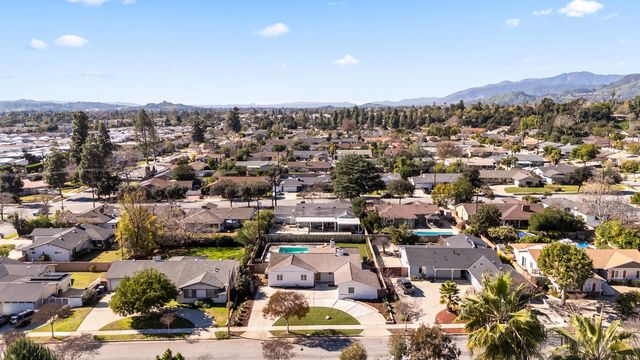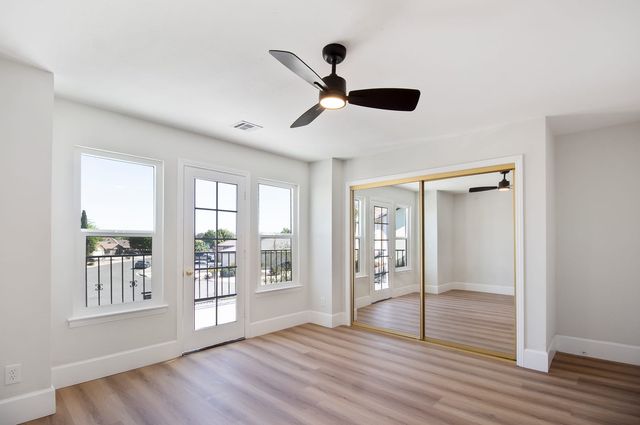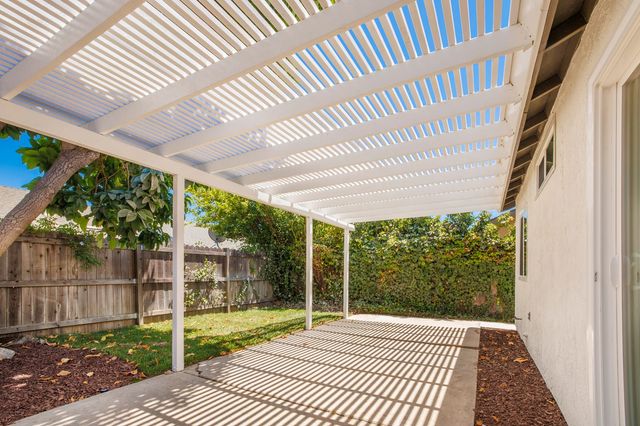
A feature shows up in sales evidence when closed sales that differ mainly in that feature show buyers paying differently for it. Around Claremont, a pool can often be tested that way, because whether a sold house had one is easy to confirm and Claremont's postwar tract pockets offer sales with and without; the answer may still be little or nothing. Mature trees rarely get a line of their own and show up through site appeal, privacy or view. Hillside grade almost always shows, but as usable area, access, view and below-grade space rather than slope alone.
This article is part of Claremont home values, measured. What is my Claremont house worth, and how an appraiser answers it sets out the whole method; this piece takes three features owners ask about most and shows how each one is tested.
What "shows up in sales evidence" means
An appraiser does not price a feature from a list. Each one is weighed by its contributory value, what an improvement or a site characteristic adds to the whole property in the market, and that is read from sales. A comparable sale, a recent closed sale of a similar property that a buyer would have weighed against this one, carries one price for everything at once, so the feature has to be separated out by comparison: houses alike in pocket, size, era and condition, some with the feature and some without.
Fannie Mae's Selling Guide sets the standard for loans it buys. Topic B4-1.3-09 says adjustments "must reflect the market's reaction," and that the appraiser "must provide fact-based and objective comment(s) that detail the work performed and data sources utilized for the market supported adjustments used." It adds: "A statement only recognizing that an adjustment has been made is not acceptable." An adjustment is an amount added to or subtracted from a comparable's price for a difference buyers pay for. If the sales show no difference, the honest result is no adjustment, and the report says why.
Pools
A pool is a site improvement, and what it contributes depends on the pocket and the lot.
- Postwar tracts. Repeating plans on wider lots mean there may be enough sales of similar houses with and without a pool to compare directly. The ranch-house comparables explains how those plans are matched.
- Older lots near the Village. A pool can take most of a small yard, and some buyers of a pre-1940 house want the garden instead. The sales decide whether it reads as a plus here.
- Hillside lots. A pool on a slope may depend on retaining walls and engineering, so it travels with grade and is rarely judged alone.
Condition matters as much as presence. The appraiser records what is apparent: the finish, the equipment, the fencing. Fannie Mae's condition topic, B4-1.3-06, notes that "appraisers are not responsible for hidden or unapparent conditions," so a pool's mechanical soundness is a question for a pool inspector, not the appraisal.
Mature trees
Trees are part of the site and its landscaping, and they almost never get a separate line in the grid. Where buyers respond to them, it shows up elsewhere: a shaded, screened yard, privacy from a busier street, the outlook from a house that backs onto open space, as in Northeast Claremont near Stone Canyon Preserve and the Wilderness Park. A large tree can also cut the other way when limbs overhang the roof or roots reach a walk or a foundation, and the appraiser notes what is visible without acting as an arborist.
The test is the same: if sales of comparable houses with a mature canopy and without one show no difference buyers pay for, the trees are described and not adjusted.
Hillside grade
On the hillside, grade is the market. Fannie Mae's site topic, B4-1.3-04, expects a site "of a size, shape, and topography that is generally conforming and acceptable in the market area," and in Claraboya and Padua Hills the slope is the norm, not the exception. What gets tested is what the slope does to the property:
- Usable area. How much of the lot is flat enough to use, as opposed to recorded lot size.
- Access. Driveway steepness, steps to the front door, parking.
- View. Often the reason buyers pay for the hillside at all. How a view is measured against closed sales covers that comparison.
- Below-grade space. A level with any portion below grade is reported apart from gross living area, the finished living area above grade, as how gross living area is measured explains.
Claraboya home values explains why those differences widen the comparable search, and Padua Hills house value how the reasoning is written out when sales are few.
Where each feature tends to land
FeatureUsually its own grid line?What the evidence looks like
Pool
Often
Similar sales in the same pocket with and without a pool
Mature trees
Rarely
Folded into site appeal, privacy or view
Hillside grade
Through several lines
Usable area, access, view and below-grade space, each compared
When the sales are thin
Some features cannot be isolated because no two sales differ in only that way. B4-1.3-09 covers that case: when there are no truly comparable sales, "the appraiser must select sales that represent the best indicators of value for the subject property and make market supported adjustments to reflect the actions of typical purchasers in that market." The report then explains the reasoning in writing so a reviewer can follow it.
An automated estimate is not an appraisal: it is an algorithm's statistical estimate from records and nearby sales, and it cannot see a slope, a canopy or the state of a pool. Why a home value calculator misreads Claraboya and Padua Hills shows where that gap is widest.
What owners can bring
Permits and dates for a pool and its equipment, permits for retaining walls, a survey or topographic plan, and any arborist report. The appraiser verifies what is seen; the papers explain what is not.
Next step
If you are selling a house whose pool, trees or slope set it apart from the street, a pre-listing appraisal shows which sales each feature was tested against; you and your agent still choose the price. For any other purpose, request an appraisal or call (909) 324-6122. The fee is set by the scope of the assignment and quoted before work begins, and it does not depend on the value. The Claremont area page describes each pocket.
Sources
- Fannie Mae Selling Guide B4-1.3-09, Adjustments to Comparable Sales, accessed November 6, 2026
- Fannie Mae Selling Guide B4-1.3-04, Site Section of the Appraisal Report, accessed November 6, 2026
- Fannie Mae Selling Guide B4-1.3-06, Property Condition and Quality of Construction of the Improvements, accessed November 6, 2026
- Fannie Mae Selling Guide B4-1.3-05, Improvements Section of the Appraisal Report, accessed November 6, 2026
- The Appraisal Foundation, Uniform Standards of Professional Appraisal Practice (USPAP), accessed November 6, 2026
- California Bureau of Real Estate Appraisers, license lookup, accessed November 6, 2026
Gordon Hall, California Certified Residential Real Estate Appraiser, BREA No. AR003877 (lookup: https://www2.brea.ca.gov/breasearch/faces/party/view.xhtml?id=23601). Reports are prepared in conformity with the Uniform Standards of Professional Appraisal Practice (USPAP). Nothing here is legal or tax advice; admissibility is always the court's decision.
Frequently asked questions
Does a pool add value to a Claremont house?
Only as far as sales show it. An appraiser compares similar houses in the same pocket with and without a pool. The result can be a positive adjustment, little or none, and it differs between a postwar tract, an older Village lot and a hillside site. The report explains the evidence.
Are mature trees counted in an appraisal?
They are described as part of the site and landscaping, but they rarely get a separate adjustment. Where buyers pay for shade, privacy or an outlook, that shows up in site appeal or view. Visible problems such as limbs over the roof are noted.
How does a steep lot affect a home appraisal?
Through what the slope does: how much of the lot is usable, how steep the access is, what view it gives and whether a level sits partly below grade. Each is compared with hillside sales, which is why Claraboya and Padua Hills searches often widen.
Why would an appraiser make no adjustment for a feature I paid for?
Because adjustments must reflect the market's reaction, not the cost. If comparable sales show buyers did not pay differently for the feature, the honest result is no adjustment, and on Fannie Mae appraisals the report must explain the work and data behind that decision.